
Last updated August 27, 2026
Free in-home measure and quote - PGT, CGI and CWS impact lines compared on your actual openings, style by style







 Before
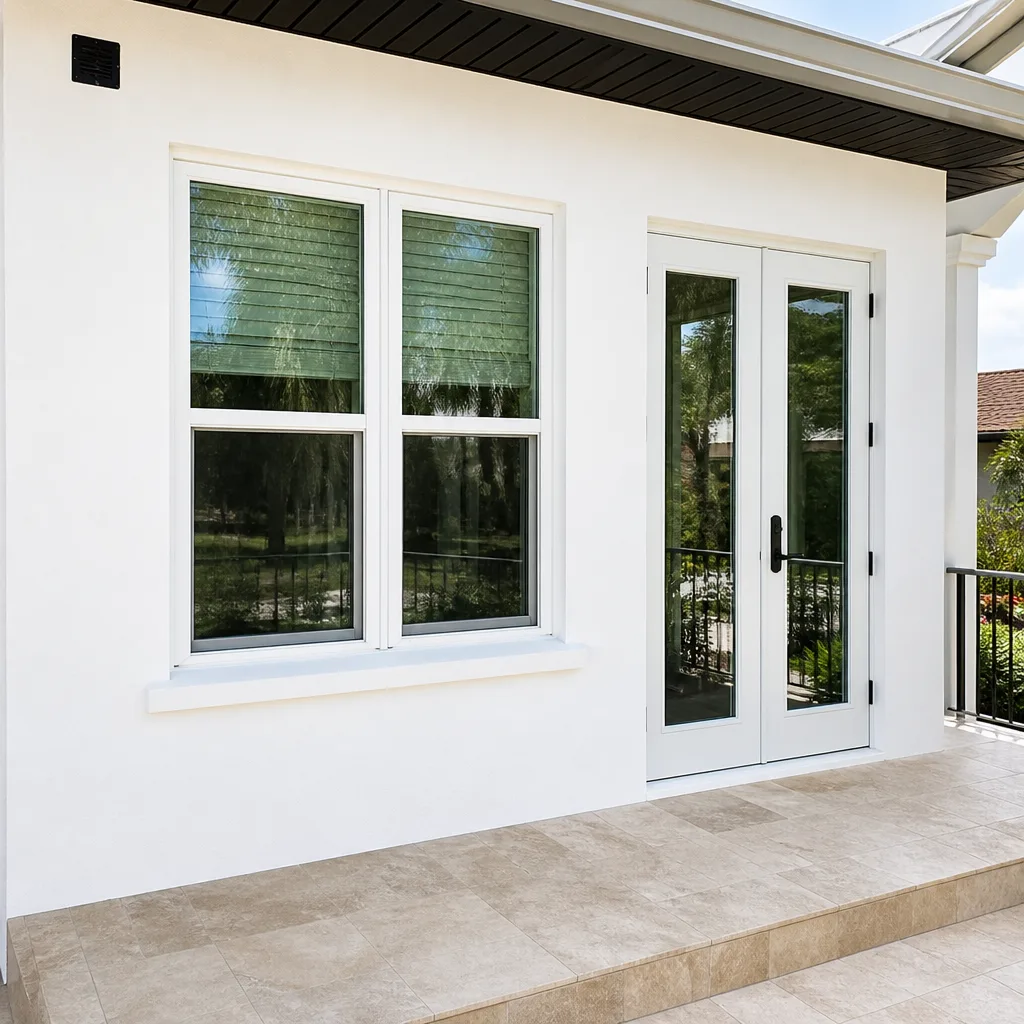 After
After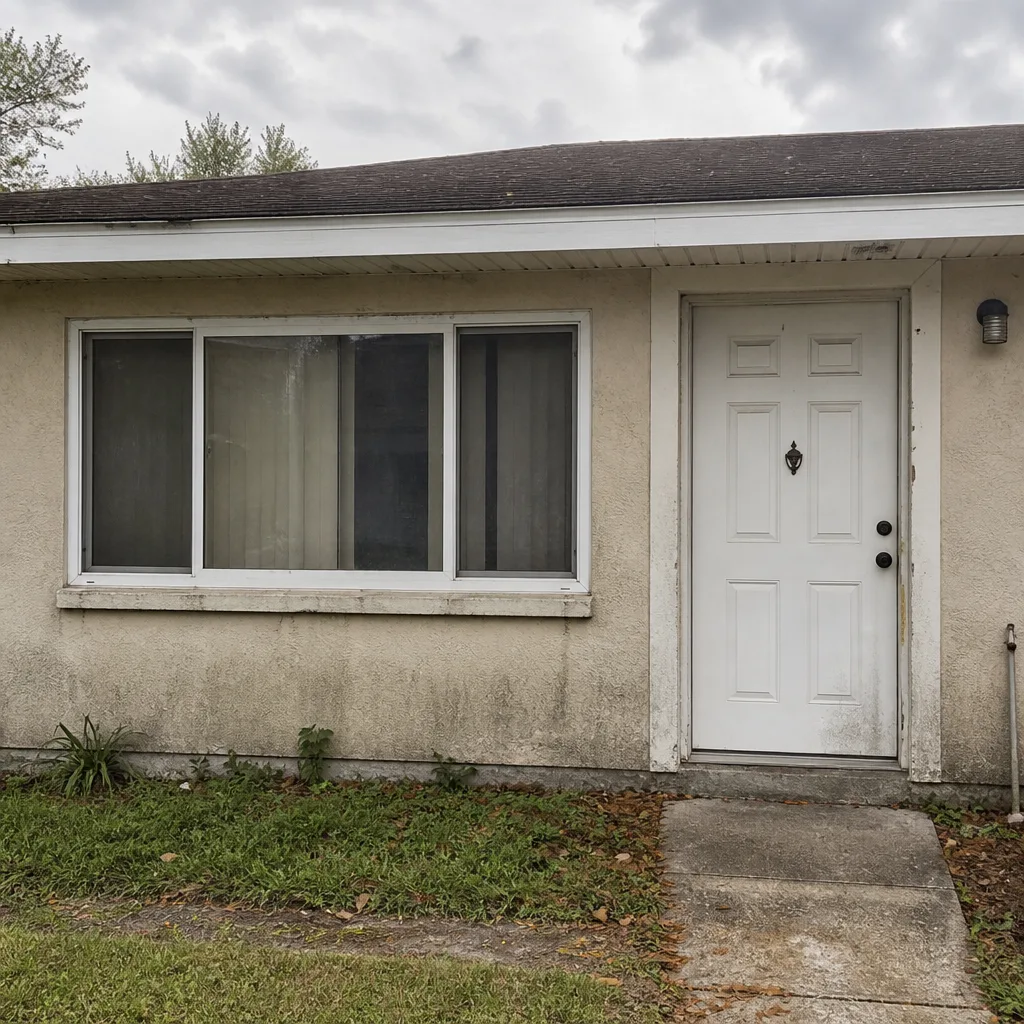 Before
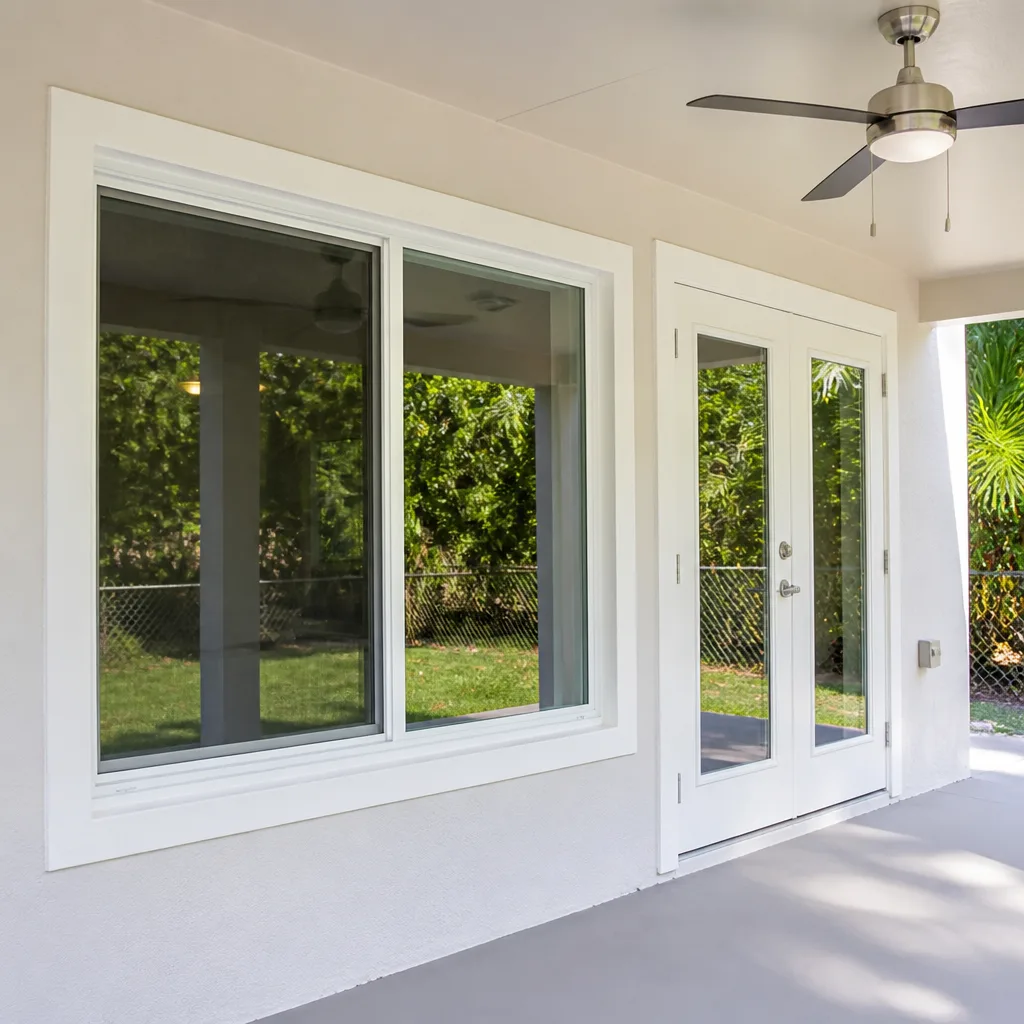 After
After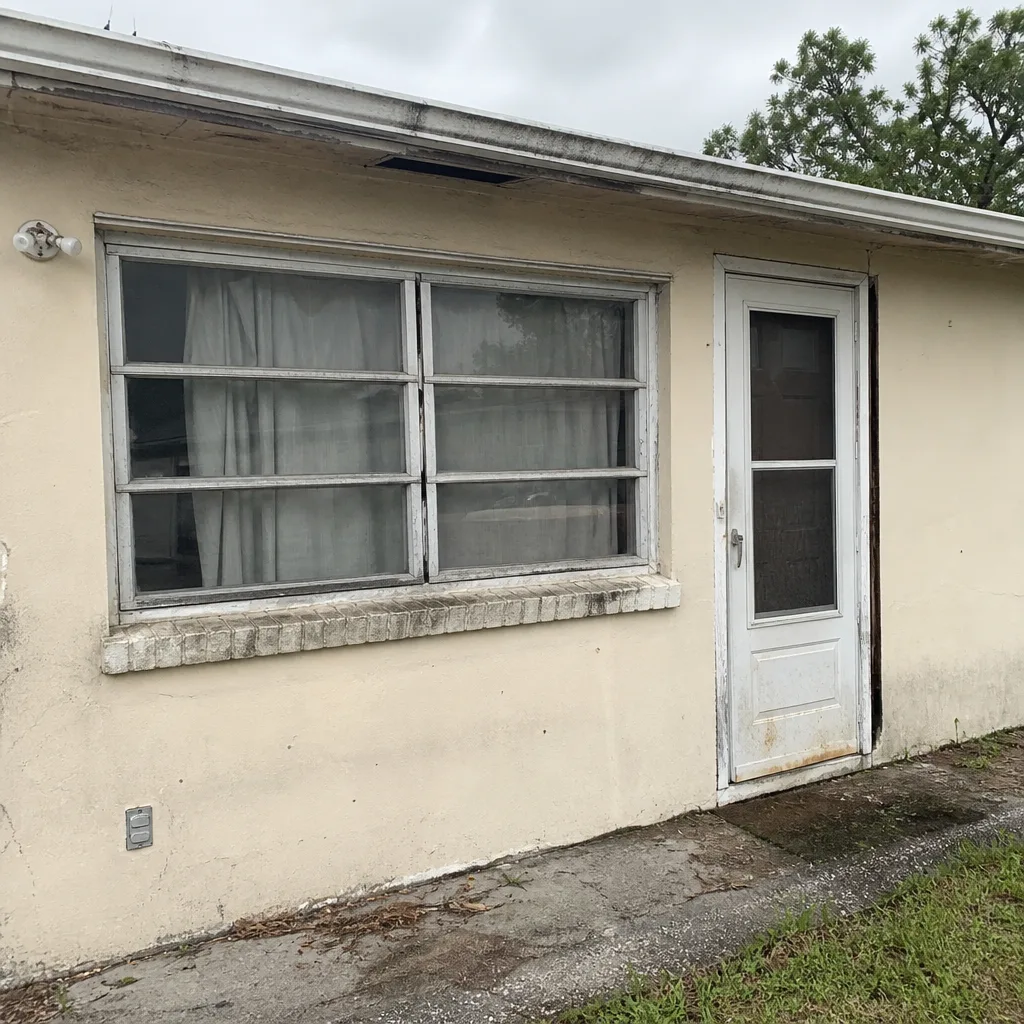 Before
 After
AfterImpact Windows Maintenance Checklist for Westgate Homeowners
A clogged weep hole on an impact window can trap standing water against the frame long enough to compromise the seal before the window is five years old. It takes about 90 seconds to clear, and most Westgate homeowners have never been told the hole exists. Our Impact Windows services include maintenance because these units are not maintenance-free, and the failure points on PGT, CGI, CWS, and ES Windows products are different from standard windows in ways that matter. This checklist treats the post-installation relationship as seriously as the install itself, because a $12,000 window package deserves better than a brochure and a handshake.
Quick Answer
Impact window maintenance in Westgate comes down to four things: clear the weep holes monthly, test the glazing seals twice a year, lubricate hardware with manufacturer-approved products every six months, and photograph everything before hurricane season. The single highest-return task is clearing frame weep holes, which prevents standing water from attacking the seal. Most of this takes under 20 minutes a month, and skipping it voids more manufacturer warranties than storm damage ever will.
Table of Contents
- Monthly Maintenance: The 20-Minute Routine
- Annual Maintenance: Deep Inspection Protocol
- Storm-Season Documentation: What to Photograph and Why
- How to Test Glazing Seals Without Specialized Tools
- Weep Holes: The Highest-ROI Maintenance Step in Westgate
- Hardware Lubrication: What PGT and CGI Frames Actually Need
- Common Mistakes to Avoid
Monthly Maintenance: The 20-Minute Routine
Every month, Westgate homeowners should walk the exterior of their home and spend about 20 minutes on what we call the sight-line check. Impact windows fail slowly, then suddenly, and the monthly routine catches the slow part before it becomes the sudden part. Florida’s humidity accelerates every degradation mode: salt air from the Intracoastal, afternoon thunderstorms, and condensation cycles that never fully dry out. A monthly rhythm keeps those conditions from compounding.
- Clear all weep holes on the exterior bottom track of every window and sliding door. Use a small plastic pick, a straightened paperclip, or compressed air. Do not use metal that scratches the frame.
- Wipe down frames with a damp microfiber cloth and a drop of mild dish soap. Do this on the exterior face especially. Salt and pollen accumulate in the sill tracks and act like sandpaper on the weatherstripping.
- Open and close every operable window and door once, even the ones you never use. Hardware that sits seizes. Hardware that moves stays lubricated. If a window sticks, note it. Sticking is the earliest sign of frame movement or hardware wear.
- Check for standing water in any sill track after rain. If water lingers more than a few hours, a weep hole is blocked or the sill is pitched wrong. This is the canary in the coal mine for seal failure.
- Look at the interior drywall around each window opening. Discoloration, soft spots, or peeling paint mean water is entering the wall cavity, not just the track. That is a structural issue, not a maintenance one.
For Seasonal Windows & Doors Care for Westgate: Year-Round Homeowner’s Guide, we’ve found the monthly routine is where most failures get caught. Homeowners who do this consistently call us for a $200 repair instead of a $3,000 frame replacement. The homeowners who skip it call us in August with water stains and a window that has to come out.
Annual Maintenance: Deep Inspection Protocol
Once a year, set aside a full Saturday morning. This is the inspection that most installers never teach, because it involves looking at components the brochure does not mention. The annual protocol is about catching slow degradation before it becomes a warranty claim you have to fight, as detailed in our Windows & Doors Cost Breakdown: The Westgate Homeowner’s Reference for 2026.
- Remove the interior glazing bead or trim on at least two windows to inspect the sealant line. If you are not comfortable doing this, have a professional do it. You are looking for gaps, cracks, or mildew in the sealant between the glass unit and the frame.
- Inspect every piece of weatherstripping. Close the window on a dollar bill. If the bill pulls out easily, the weatherstrip is compressed and needs replacement. Do this at three points along each sash.
- Check the torque on hinge screws, handle setscrews, and roller screws. Loose hardware on an impact window is not just annoying. The hardware is load-bearing in a wind event, and a loose hinge changes how force is distributed through the frame.
- Verify the locking points engage fully. Multi-point locks should throw every bolt into every keeper. If a window only locks at two of three points, that is a frame alignment issue that gets worse.
- Inspect the exterior sealant around the frame perimeter. Look for gaps, cracking, or separation from the stucco or siding. Westgate’s afternoon sun is brutal on exterior sealants, and a 3/16-inch gap is enough to let water behind the frame.
Westgate sits in a high-velocity hurricane zone, which means the annual protocol is not optional. The building code requires every component to perform as a system. One loose hinge bolt degrades the entire window’s wind rating. An annual deep inspection keeps the window performing to the spec that was permitted and passed inspection.
Storm-Season Documentation: What to Photograph and Why
Before hurricane season starts on June 1, Westgate homeowners should photograph every window and door on the property. Insurance companies deny impact-window claims every year because the homeowner cannot prove the windows were in good condition before the storm. Documentation is not added paperwork. It is the difference between a paid claim and a denied one.
- Photograph the exterior of every window and door from three angles: straight on, 45 degrees left, and 45 degrees right. These photos establish the pre-storm condition of the frame, sealant, and glass.
- Photograph every window label. Impact windows carry a label etched into the glass or attached to the frame with the manufacturer, product line, and approval numbers. These labels are critical for claims because they prove the window met code at installation.
- Photograph the interior of each window opening, including the drywall corners and sill area. Pre-storm interior photos establish a baseline for water-intrusion claims.
- Photograph any existing imperfections: a scratch, a small crack, a chip in the frame. Insurers will attribute pre-existing damage to the storm if you cannot prove it predated the event.
- Store the photos in at least two places: cloud storage and a physical drive kept in a waterproof container. Do not rely on a phone that may be damaged or lost in the storm.
We have walked Westgate homeowners through this documentation process for years, and the ones who do it never fight their insurer. The ones who skip it spend months negotiating a claim that should have been open and shut. This is 45 minutes of work that protects a five-figure investment. Ed’s name is on the door, and this is the kind of straight talk we give every homeowner before storm season, with more guides & resources available year-round.
How to Test Glazing Seals Without Specialized Tools
The glazing seal is the bond between the glass unit and the frame. When it fails, the window loses its insulating gas fill, its acoustic performance degrades, and in the worst cases, water enters between the glass panes. You can test the seal without buying anything. Here is the protocol we teach Westgate homeowners.
The fogging test. On a humid morning, walk the interior and look at each window at a slight angle. If you see condensation between the panes that you cannot wipe off either side, the seal has failed. That is not surface condensation. It is trapped moisture inside the insulated glass unit. The window has lost its gas fill and is now a two-pane window with an air gap instead of an insulated unit.
The edge-separation visual check. Look at the perimeter of the glass where it meets the frame. On PGT and CGI products, there should be a continuous, uniform sealant line with no visible gaps. If you can slide a piece of paper between the glass and the frame at any point, the unit is separating. This is a structural failure, not a cosmetic one, and it means the window’s impact rating is compromised.
The distortion test. Stand at the window and look at a straight line outside, like a fence rail or the roof line of the house next door. Move your head left to right. If the line wobbles or distorts in the glass, that indicates stress on the lamination or the glass unit itself. Impact glass should show zero distortion. Any visible wobble is a red flag.
These three tests take less than 15 minutes for a typical Westgate home. Do them in March and again in October. Florida’s humidity cycles stress the seal bond constantly, and catching a failing seal early often means a glass-unit replacement instead of a full frame replacement.
Weep Holes: The Highest-ROI Maintenance Step in Westgate
Weep holes are the small rectangular or oval openings on the exterior bottom track of your window or sliding door frame. They exist to drain water that enters the track during rain. When they clog, water sits against the frame, the sealant, and the glazing. In Westgate’s climate, standing water becomes a breeding ground for mildew and attacks the seal bond through constant moisture exposure. The fix costs nothing, takes 90 seconds, and prevents the most common failure we see on impact windows in the area.
Where to find them. Weep holes are on the exterior side of the bottom rail. On most PGT and CGI frames, you will see two or three per window panel. On sliding doors, there are typically four to six. They are small enough to miss if you do not look for them.
How to clear them. Use a plastic pick, a wooden toothpick, or compressed air. Insert gently and clear any debris. Do not use metal tools, which scratch the frame finish and create a new corrosion point. If the hole is packed with hardened debris, a small amount of warm water can soften it first.
How often. Monthly during the rainy season from May through October. Every other month during the dry season is usually sufficient, but if you live near a busy road, construction, or heavy vegetation, monthly year-round is safer. Debris from landscaping and road dust is the primary clog source in Westgate.
The reason this is the highest-return maintenance step is simple: a clogged weep hole is the leading cause of seal failure we see, and seal failure is the leading cause of impact-window replacement before the window’s expected lifespan. Clearing the holes costs nothing. Ignoring them can cost thousands. If you want a deeper look at the products and installation standards that matter here, our impact windows guide for Westgate walks through it.
Hardware Lubrication: What PGT and CGI Frames Actually Need
Impact-window hardware is engineered for load-bearing performance, not just smooth operation. The hinges, rollers, and locking points on PGT, CGI, CWS, and ES Windows products are built to keep the sash attached to the frame during a wind event. That hardware needs proper lubrication, and the wrong product can void your manufacturer warranty.
Use a dry silicone spray or white lithium grease. These are the two products safe on PGT and CGI hardware. Silicone spray is best for hinges and locking mechanisms because it does not attract dust. White lithium grease is better for roller mechanisms on sliding doors, where the load is heavier.
Do not use WD-40, penetrating oil, or cooking spray. WD-40 is a solvent, not a lubricant. It strips the existing lubricant and leaves the hardware dry. Penetrating oils attract dirt and grit, which accelerates wear on moving parts. Cooking spray goes rancid and gums up. All three can void the manufacturer’s hardware warranty.
The process. Open the window fully. Apply a small amount of lubricant to each hinge pivot point, the locking mechanism, and the handle setscrew. Work the hardware back and forth several times to distribute the lubricant. Wipe away any excess with a clean cloth. For sliding doors, remove the door from the track if you are comfortable doing so, clean the rollers, and apply lithium grease to the roller bearings.
Frequency. Every six months. Coastal Westgate air carries salt that accelerates corrosion, and hardware that is not lubricated twice a year will bind. If a window feels stiffer than it did six months ago, lubricate it now rather than waiting for the schedule. Binding hardware is a sign that the lubricant has degraded.
Common Mistakes to Avoid
- Using household glass cleaner on impact glass. Ammonia-based cleaners break down the laminate interlayer over time. Use a mild soap solution or a cleaner specifically formulated for laminated glass.
- Painting over weep holes. Homeowners repaint their exterior and roll right over the weep hole openings. Every time we see this in Westgate, the window starts holding water within weeks.
- Replacing weatherstripping with generic material. Impact windows use specific gasket profiles for wind and water ratings. The universal strip from the hardware store changes the window’s pressure rating.
- Forcing a stuck window open. If a window binds, the frame or hardware has shifted. Forcing it damages the locking points and can bend the hinge. Call a professional rather than forcing it.
- Skipping the interior check. Most homeowners only look at the exterior face. Water intrusion shows up on the interior drywall first, and that is the indicator that counts.
- Ignoring the documentation step before storm season. A window that performed fine but was never photographed is a claim fight waiting to happen.
When to Call a Professional
Some maintenance tasks cross the line between homeowner work and professional work. If you see condensation between panes that does not clear within a day, the glazing seal has failed and the unit needs replacement. If a window sticks or binds when opening, the frame has shifted and forcing it will cause more damage. If you find water stains on interior drywall around a window, water is entering the wall cavity, and that is a structural problem. If impact glass shows a crack, chip, or distortion, the window’s wind rating is compromised, and it needs replacement before the next storm. Winslow Windows & Doors offers free estimates in Westgate, and we will tell you honestly whether a repair or replacement is the right call. Call (561) 468-6136 to schedule yours.
Frequently Asked Questions
Monthly exterior cleaning with mild soap and water is the right rhythm for Westgate due to salt air, pollen, and road dust. Focus on the sill tracks and frame exteriors, not just the glass. Skip the ammonia-based cleaners, which degrade the laminate interlayer over time.
Yes. Hinges, locking points, and rollers need lubrication every six months with dry silicone spray or white lithium grease. WD-40 and penetrating oils are not substitutes and can void the manufacturer’s hardware warranty on PGT and CGI frames.
Weep holes are small drainage openings on the exterior bottom track that allow rain water to escape the frame. When they clog, water sits against the seal and the frame, which accelerates seal failure. Clear them monthly with a plastic pick or compressed air.
Look for condensation between the glass panes that cannot be wiped off either side. That is a failed seal and means the insulating gas has leaked out. Also check for a visible gap between the glass and the frame, which indicates unit separation.
No. Maintenance is the homeowner’s responsibility, and insurers require documentation that windows were properly maintained before they pay storm damage claims. Photograph every window and label before hurricane season and store the images offsite.
A properly maintained impact window should last 20 to 30 years in Westgate’s climate. The biggest lifespan killers are clogged weep holes and ignored hardware binding. The monthly and annual routines in this guide are what get you to the high end of that range. For a full breakdown of what replacement costs and what drives the price, our Westgate window replacement guide covers it. Call (561) 468-6136 for an exact quote on your home.
The Bottom Line
Impact windows are a five-figure investment, and they perform for decades only when the small maintenance steps happen consistently. Clear the weep holes monthly. Lubricate the hardware twice a year. Photograph everything before hurricane season. Test the glazing seals in March and October. None of this takes more than a few hours a year, and it is the difference between a window that lasts 30 years and one that fails at year seven. If you would rather have a professional handle it, Winslow Windows & Doors has been serving Westgate homes since 2011. The one down the road. Call (561) 468-6136 and Ed will answer.
Written by Ed Winslow, Owner at Winslow Windows & Doors, serving Westgate since 2011.
Six Reasons Homeowners Choose Winslow Windows & Doors
Impact systems engineered to design pressures up to +/-100, matched to your wind zone - your openings hold when the storm arrives.
Low-E insulated impact glass from our manufacturer lines commonly cuts monthly cooling bills 20-30%.
Laminated impact glass shuts out up to 40% of outside noise - traffic, neighbors, weather.
Monitoring services run $30-90 a month. Laminated impact glass resists forced entry around the clock, with no subscription.
Florida homeowners average around 25% savings on the windstorm portion of their policy after protecting every opening - some homes qualify for more.
A full impact package upgrades curb appeal, buyer confidence and appraised value in one project.