
Last updated August 27, 2026
Free in-home measure and quote - PGT, CGI and CWS impact lines compared on your actual openings, style by style

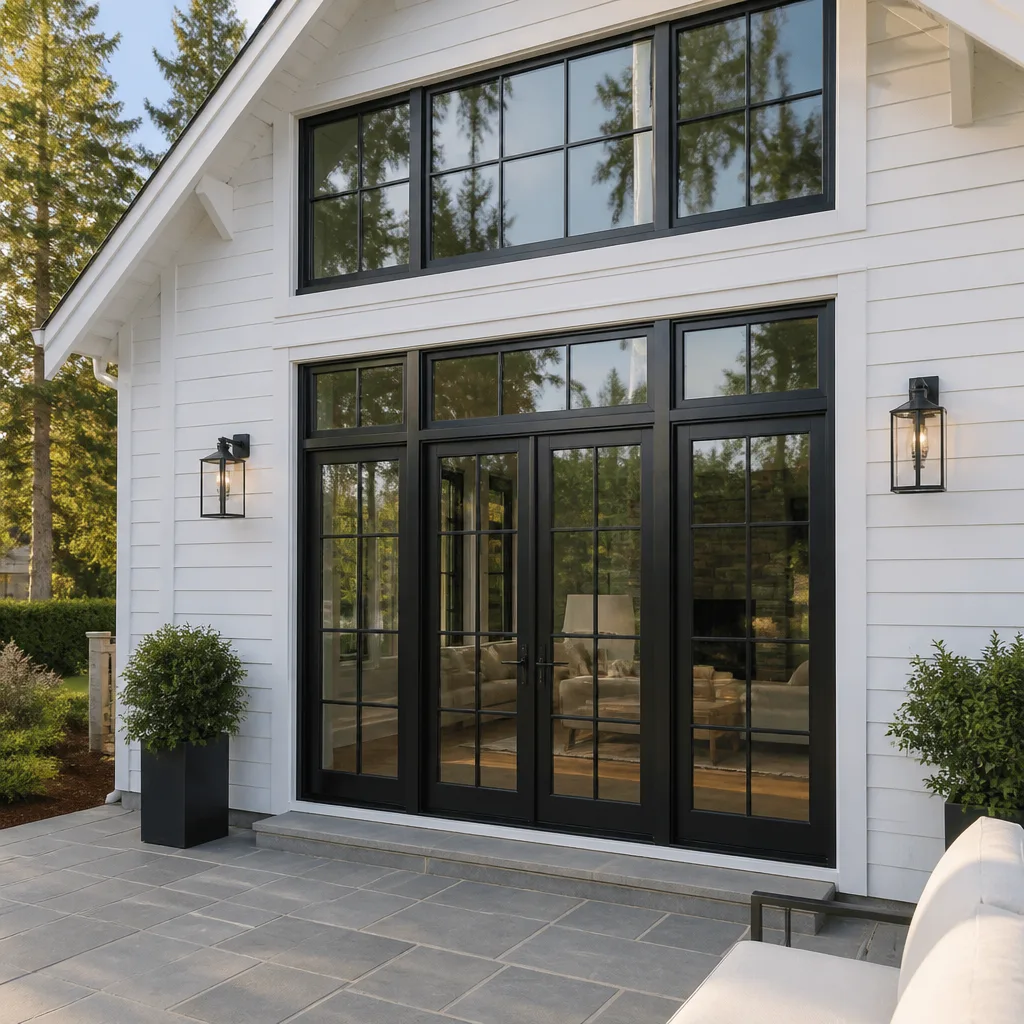
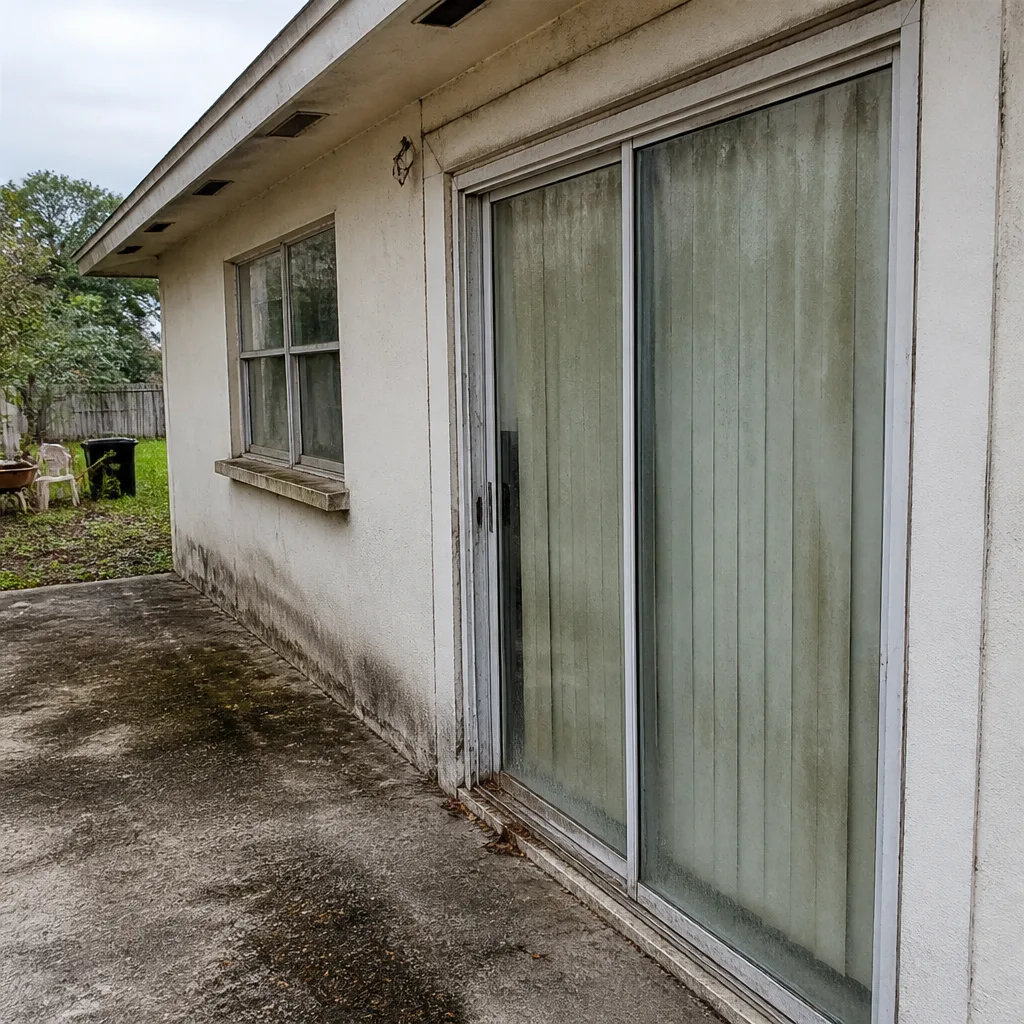 Before
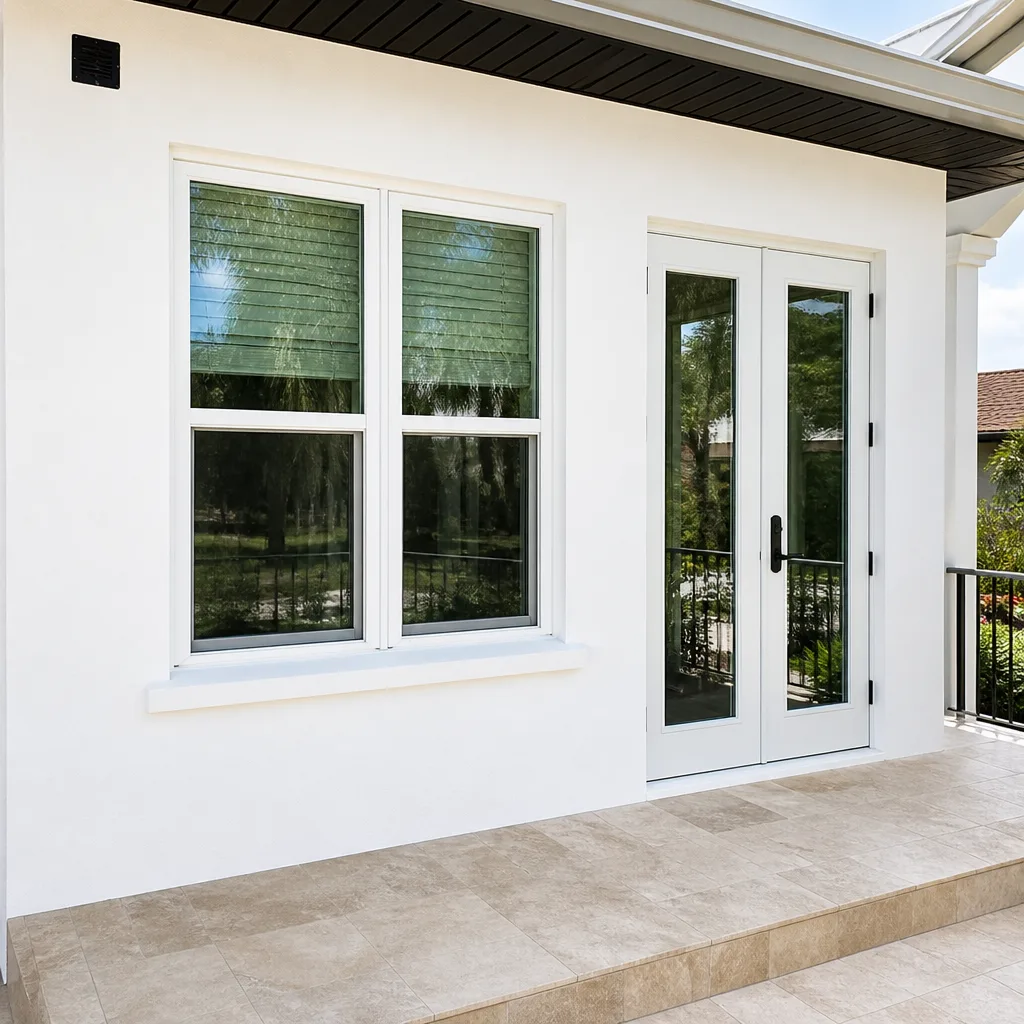 After
After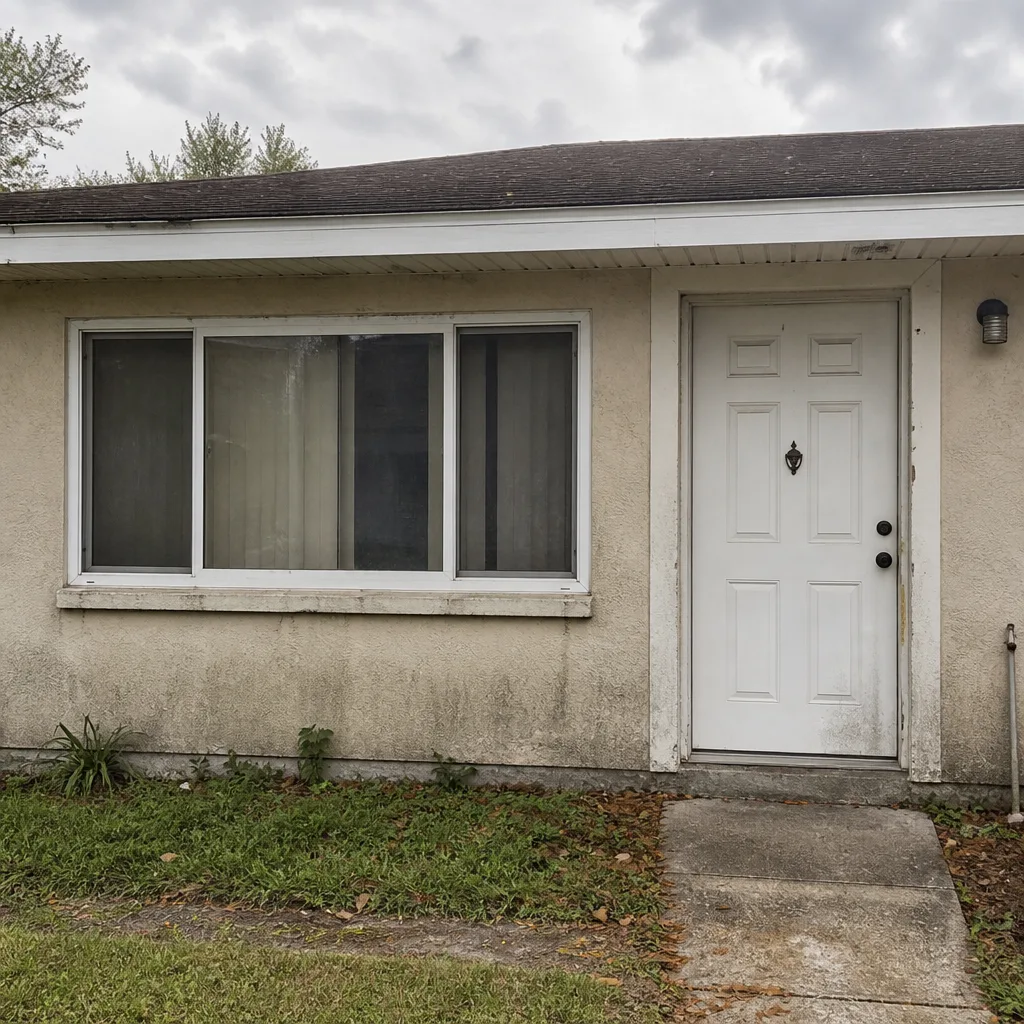 Before
 After
After Before
 After
AfterSeasonal Windows & Doors Care for Westgate: Year-Round Homeowner’s Guide
Most Westgate homeowners believe the biggest threat to their windows and doors is the hurricane itself. After 15 years of inspecting homes across Westgate, we can tell you the truth is less dramatic and more expensive: the real damage happens in the six months after a storm, when water that found its way past a compromised seal or worn sweep sits silently inside the rough opening, feeding rot and mold that no one notices until the frame feels soft under a screwdriver. This guide lays out a care calendar built for Westgate’s actual climate, not a transplanted northern leaf-raking schedule. You’ll learn what to inspect each month, how to spot salt-air corrosion before it eats a hinge, why your Low-E coating needs different cleaning than regular glass, and which five-dollar fixes prevent five-thousand-dollar repairs. For more guides & resources, visit our blog. This is the guide we wish every Westgate homeowner had before their first storm season.
Quick Answer
Windows and doors in Westgate need two focused care seasons, not four. From June through November, prepare for hurricane impact and inspect seals, sweeps, and weatherstripping monthly. From December through May, deep-clean glass and hardware, check for salt-air corrosion, and repair what storm season revealed. A monthly 15-minute walk-around inspection, with seasonal deep work in May and November, prevents most water-intrusion failures that lead to costly frame and subfloor repairs.
Table of Contents
- Why Westgate’s Climate Demands a Different Care Calendar
- The Westgate Month-by-Month Care Calendar
- Salt Air and Hardware Corrosion: What Lasts, What Doesn’t
- Cleaning Low-E Glass Without Damaging the Coating
- Door Thresholds and Sweeps: The $40 Fix That Prevents a $4,000 Repair
- How to Check Sealants Without Removing Them
- Common Mistakes to Avoid
- When to Call a Professional
- Frequently Asked Questions
- The Bottom Line
Why Westgate’s Climate Demands a Different Care Calendar
If you’ve ever tried to follow a generic “seasonal home maintenance” checklist from a national magazine, you’ve probably noticed it doesn’t fit. Westgate doesn’t have a frost-heave season, a fall leaf-clogging season, or a spring thaw. What we have is six months of humidity and storm threat, followed by six months of drying, salt-laden air and UV exposure that degrade seals, gaskets, and metal hardware on a schedule all their own. The seasonal rhythm that actually matters here is simple: hurricane season and the off-season when you fix what the storms revealed.
That’s not a marketing line. It’s a repair pattern we see every year. In Westgate, the weeks between late November and February are when homeowners finally notice the window that’s been fogging since September, or the door that no longer latches cleanly because the frame swelled during October’s humidity. The storm didn’t cause those problems. The storm revealed them, and the six months of wet, warm air before it laid the groundwork. That’s why the care calendar below is built backward from how Westgate homes actually fail, not forward from a generic spring-cleaning schedule. If you’re seeing early windows & doors warning signs, now is the time to act.
Understanding this rhythm changes how you budget and plan. Money spent in March on a door sweep costs nothing compared to the subfloor repair it prevents by August. A tube of sealant applied in May is the cheapest insurance policy you’ll ever buy against a September water-intrusion claim.
The Westgate Month-by-Month Care Calendar
Here’s the full year, broken into the two care seasons that actually matter in Westgate. Use this as a standing checklist, not something you read once and forget. Fifteen minutes a month is all it takes, and the payoff is a set of windows and doors that last decades instead of years.
June Through November: Storm Season Vigilance
Storm season in Westgate runs from June 1 through November 30, and that’s when your windows and doors earn their keep. The work during these months is about verification and vigilance, not major projects. You’re checking that everything you prepared in May is holding up under pressure.
- June: Inspect every exterior door sweep and threshold. Run your hand along the bottom of each door while it’s closed. You should feel resistance from the sweep making contact with the threshold across the entire width. No resistance means water will find its way in during the first heavy rain. Also check that weep holes on sliding glass doors and window frames are clear of debris. A clogged weep hole turns a window track into a bathtub.
- July: Check all weatherstripping around exterior doors. The heat and humidity of July in Westgate cause rubber and foam gaskets to compress and sometimes lose their rebound. Close each door and look for light showing around the edges. If light passes, water and air pass too.
- August: Inspect caulking and sealant beads around window and door frames. August thunderstorms are Westgate’s first real water test of the season. Walk the outside perimeter of your home after a heavy rain and look for water staining, bubbling paint, or soft spots near any opening. Touch the sealant with a bare finger. It should feel flexible, not chalky or brittle.
- September: This is peak storm month for Westgate. You’re not doing maintenance now; you’re verifying. Check that every impact window and door closes and locks properly, that no screw heads are stripped on hardware, and that the little plastic or metal corner pads on sliding doors are not cracked. Listen for any whistling or rattling during windy days. Rattling means a loose frame or worn roller, and that’s the kind of problem a hurricane exploits.
- October: Clean all window tracks and door sills thoroughly. October’s humidity has been collecting fine sand and organic material in the tracks, which holds moisture against the metal and accelerates corrosion. Vacuum the tracks, then wipe with a damp cloth. Do not use a hose; standing water in the track is exactly what you’re trying to prevent.
- November: As season winds down, do a full post-storm assessment. Look for any window with interior condensation between the glass panes, any door that sticks, any handle that’s loose. Make a list of every small issue. December through May is when you fix these before they become large ones.
December Through May: Repair and Renewal Season
Once storm threat passes, the off-season becomes your window to fix what the storms revealed. The air is drier, the temperatures are more forgiving, and sealants and paints cure properly. This is when durable window replacement in Westgate projects get scheduled, and it’s when you should tackle the small repairs you noticed during storm season.
- December: Inspect all hardware screws and fasteners on every window and door. The expansion and contraction of six months of heat and humidity loosens screws in hinges, strike plates, and lock sets. A loose screw in a hinge is a door that sags. A sagging door is a door that won’t seal. Tighten everything with a properly sized screwdriver, and replace any screw that spins in its hole with a longer one that catches fresh wood.
- January: Test every window’s operation. Open and close each window fully, feeling for binding, grinding, or excessive slop in the track. Check the balance system on double-hung windows. A properly balanced window should stay open at any height without dropping. If it doesn’t, the balances are worn. This is also the right month to lubricate all moving hardware with a dry silicone spray, nothing oil-based, which attracts grit in Westgate’s sandy soil.
- February: Deep-clean glass and inspect the condition of all Low-E and impact-rated coatings. February’s dry air and lower humidity make it the ideal time. Cleaning technique matters more than most homeowners realize, and the details are in the Low-E section below. This is also when you re-inspect window glazing compound or rubber glazing gaskets for cracking.
- March: Check door thresholds and sweeps on every exterior door. This is the single highest-value maintenance item in the entire calendar, detailed in its own section below. March is when you replace sweeps that winter revealed to be cracked, flattened, or missing chunks. Do it now, not in June.
- April: Inspect all exterior sealant beads with the adhesion and texture tests described in the sealant section below. April’s lower humidity gives you a reliable read on whether sealant has UV-cycled past effectiveness. If you find failures, cut out the old bead and apply a quality polyurethane or hybrid sealant rated for South Florida exposure. Do not wait until May’s heat arrives.
- May: The final pre-storm check. Verify every impact product is operational and locked. Check that all hurricane hardware, from shutter tracks to impact window locks, is present and functioning. Clean tracks one more time. Confirm that every door sweep you replaced in March is still making solid contact. This is the month that determines whether your home weathers the season quietly or becomes a repair statistic.
Salt Air and Hardware Corrosion: What Lasts, What Doesn’t
Westgate sits close enough to the coast that salt-laden air is a daily reality, even if you don’t think of your neighborhood as beachfront. The fine salt aerosol travels farther inland than most people realize, and it settles on everything: window tracks, door hinges, lock mechanisms, and even the tiny screws holding your weatherstripping in place. What salt does to metal is relentless. It accelerates oxidation, which leaves a white, powdery crust on aluminum and a flaking, rust-brown patina on steel.
The hardware material on your windows and doors determines how quickly this happens and how long the hardware survives. We’ve replaced entire door lock-sets in Westgate that failed within five years because the original builder spec’d painted steel hardware, while identical-looking stainless hardware on the neighbor’s house was still operating fine after a decade. The difference is invisible at installation and obvious five years later. Here’s how the common materials rank for Westgate exposure:
- Stainless steel (304 or 316 grade): The gold standard for coastal exposure. 316-grade stainless, sometimes called marine-grade, contains molybdenum that resists salt pitting. It’s what serious hardware manufacturers use for coastal-rated products. It costs more and lasts a decade or longer in Westgate conditions. Look for the “316” marking on the hardware. If it only says “stainless,” it’s probably 304, which is good but not quite as salt-resistant.
- Aluminum (anodized or powder-coated): Common on window frames and some door hardware. Aluminum doesn’t rust like steel, but it does oxidize and pit under salt exposure, especially at fastener holes and where two metals touch. Anodized aluminum holds up longer than raw aluminum. Powder-coated aluminum hides early oxidation well but becomes rough and chalky as the coating degrades.
- Painted or plated steel: The budget option and the fastest to fail in Westgate. Once the paint or plating gets a scratch, salt air gets to the steel underneath and corrosion follows within a season or two. We’ve seen door hinges in Westgate so rusted that the door could not be removed from the jamb without cutting the pin. If your home has painted steel hardware, put replacing it on your calendar, starting with the doors that face prevailing coastal winds.
Prevention is straightforward. Wipe down visible hardware with a dry cloth monthly during the humid months. Apply a light coat of marine-grade lubricant to moving parts every six months. And when you’re choosing new hardware or new windows and doors, pay attention to the metal grade, not just the finish color. The right metal choice means the difference between hardware that’s replaceable on your schedule and hardware that fails on the storm’s schedule.
Cleaning Low-E Glass Without Damaging the Coating
Low-E glass has become standard on quality impact windows in Westgate, and for good reason. The microscopic metallic coating reflects infrared heat back outside, cutting cooling loads during the long Florida summer and protecting furnishings from UV fading. But that coating lives on the inside surface of the glass, and it’s more delicate than the glass itself. Cleaning it wrong can strip portions of the coating, and unlike a scratch in regular glass, a stripped Low-E coating is a permanent loss of energy performance.
The mistake most homeowners make is using the same glass cleaner on Low-E glass that they use on their mirrors. Ammonia-based cleaners are the specific offender. Ammonia attacks the metallic coating, causing it to degrade over multiple cleanings. You won’t see the damage after one cleaning. You’ll see it a year later, when the window that used to reject heat now lets it pour through, and the glass develops an uneven, blotchy appearance in certain light.
The right cleaning method for Low-E-coated glass in Westgate homes is simple:
- Use a solution of mild dish soap (a few drops) in warm water. Nothing fancier is needed.
- Wash the glass with a soft microfiber cloth or a clean, non-abrasive sponge. Work from top to bottom.
- Rinse with clean water using a separate clean cloth. Leaving soap residue attracts dust during Westgate’s dry months.
- Dry with a squeegee or a dry microfiber cloth. Avoid paper towels, which can leave fine scratches on the coating over repeated cleanings.
- If you use a commercial glass cleaner, check the label and make sure it explicitly states it is safe for Low-E or coated glass. If it doesn’t say so, don’t use it.
Never use razor blades, steel wool, or abrasive scrub pads on Low-E glass. The coating sits on the surface, not inside the glass sandwich, and a blade will scrape it off in short order. If you have stubborn debris like paint overspray or construction adhesive on the glass, call a professional rather than reaching for a scraper. The cost of a professional cleaning is trivial compared to the cost of replacing a Low-E pane that lost its coating to aggressive cleaning. Brands like PGT and CGI build high-performance Low-E coatings into their impact-rated products, and proper cleaning preserves that performance for the life of the window.
Door Thresholds and Sweeps: The $40 Fix That Prevents a $4,000 Repair
If there’s one maintenance item we’d put on a Westgate homeowner’s calendar in bold red ink, it’s the door sweep and threshold. Here’s the math that matters. A quality door sweep costs between $20 and $40 at any hardware store. A rotted subfloor under an exterior door, the kind that happens when water seeps under a worn sweep during months of Florida rain, runs between $3,000 and $5,000 to repair once the flooring, joist, and often the door frame itself have to be opened up. See our Windows & Doors Cost Breakdown for a full Westgate homeowner’s reference. The sweep is one of the cheapest parts in your home, and it protects one of the most expensive repair scenarios a Westgate homeowner can face.
The reason this matters more in Westgate than in drier climates is simple. Florida’s rainy season delivers sideways rain, driven by wind, directly against the bottom of your exterior doors. Water that can’t be deflected by a healthy sweep gets pushed under the door by wind pressure. Once it’s under the threshold, it wicks into the subfloor through capillary action. You won’t see a puddle inside. You’ll see dark staining at the base of the doorway years later, a soft spot under the flooring, and eventually a musty smell that doesn’t go away.
Inspection is a two-minute job. Here’s what to check before June and monthly through storm season:
- Close the door and run your hand along the bottom edge from inside. The sweep should press firmly against the threshold all the way across. If you feel a gap, even a small one, the sweep is worn.
- Look at the sweep itself. Cracked rubber, flattened sections, missing chunks, or a sweep that has hardened and lost flexibility are all replacement triggers. The rubber should feel pliable when you bend it with a finger.
- Check the threshold underneath. Look for gaps where the threshold meets the jamb or floor. Caulk any visible seams with exterior-grade sealant.
- Inspect for daylight. Lie on the floor inside and look under the closed door. If you can see daylight, you can see where water will come in during a Westgate downpour.
Replacing a sweep is a simple DIY job for most homeowners, requiring only a screwdriver or a hacksaw depending on the style. But if the threshold itself is cracked, sagging, or pulling away from the door frame, that’s a professional repair. A threshold that doesn’t sit flat means no sweep will ever seal correctly, no matter how new. For exterior door work in Westgate, proper threshold seating and sweep adjustment is something we correct frequently, often on doors installed by crews who treated the sweep as an afterthought.
How to Check Sealants Without Removing Them
Sealant, the bead of caulk around your window and door frames, is the first line of defense against water intrusion. It’s also a sacrificial material. UV radiation, heat cycling, and salt air in Westgate break down sealant on a predictable timeline, typically every 5 to 8 years for standard latex caulk, longer for high-quality polyurethane or hybrid formulations. The question homeowners ask us most often is how to tell whether existing sealant is still doing its job without cutting it out and starting over. The answer lies in three simple tests you can do with a finger and a careful eye.
The color test. Healthy sealant has a uniform color. It may be white, gray, clear, or almond, but it should look the same across the entire bead. Sealant that has UV-cycled past effectiveness often yellows, chalks, or develops a mottled, patchy appearance on the sun-exposed side. Run your eye along each bead, especially on the south and west elevations of your Westgate home, which take the most sun. Any sealant that has turned chalky white or developed a cracked, dry-looking surface has likely lost its flexibility.
The texture test. Press your fingernail gently into the sealant bead. Healthy sealant feels slightly rubbery and springs back when you release pressure. Failed sealant feels hard, brittle, or cracked. If your fingernail leaves a permanent dent, the sealant has lost its elasticity and will not maintain a watertight bond during thermal cycling. In Westgate’s summer heat, frames expand and contract measurably between morning and afternoon. A sealant that can’t flex with that movement will separate from the frame, leaving a hairline gap that water finds easily.
The adhesion test. The most reliable of the three. Gently press your thumb against the edge of the sealant bead where it meets the window frame or door jamb. Then slide your thumb sideways with light pressure. If the sealant lifts away from the frame at the edge, adhesion has failed and water is already traveling behind the bead. On a properly adhered bead, the edge stays tight against the substrate and doesn’t separate under light pressure. Check multiple points along each bead, as adhesion failures often start at the corners and work inward.
If any of these three tests shows failure, the cure is to cut out the old bead completely, clean the joint with a solvent appropriate for the substrate, and apply a quality polyurethane or hybrid sealant rated for exterior use in high-UV coastal environments. This is not a job to rush, and it’s not a job to do in the middle of a humid August afternoon. Sealant needs a clean, dry surface to bond properly. November through April is the right window in Westgate for sealant work.
Common Mistakes to Avoid
- Using ammonia-based glass cleaner on Low-E windows. Ammonia attacks the metallic coating and permanently degrades energy performance. Read the label every time, even if you’ve used the product for years on other glass.
- Ignoring a door that sticks or binds in humid months. A sticking door is telling you the frame or slab has swelled, which means water is finding a way in. Forcing it open and closed damages the hardware and hides the symptom. Find the moisture source before the frame rots.
- Waiting until September to check hurricane hardware. By the time a storm is in the Gulf, every Westgate hardware store is sold out of the parts you need. May is the time to verify that every lock, track, and impact component is operational.
- Painting over weep holes on windows and sliding doors. Weep holes exist to drain water from the track. If they’re painted shut or packed with debris, water sits in the track and eventually finds its way into the wall. Clean them monthly during rainy season.
- Lubricating window and door hardware with WD-40 or oil-based products. Oil attracts dust and sand, and in Westgate’s sandy soil that means you’re building a grinding compound in your tracks and hinges. Use dry silicone spray or a dry PTFE lubricant.
- Skipping the sealant adhesion test because the bead “looks fine.” Sealant can look perfectly intact from three feet away while being completely detached from the frame at the microscopic level. The adhesion test takes ten seconds. Do it in April.
- Replacing a door sweep without checking the threshold. A new sweep on a cracked or sagging threshold won’t seal. You’ll spend the $40 and get exactly zero protection. Inspect both, and if the threshold is damaged, call a professional before you waste money on parts.
When to Call a Professional
Most of the maintenance in this guide is designed for a willing homeowner with basic tools and a Saturday morning. But some situations call for professional attention before the problem gets expensive. If you find a window with condensation trapped between the panes, the insulated glass unit has failed and replacement, not repair, is required. If a door frame feels soft when you press a screwdriver into it near the bottom, rot is already established and the frame needs repair or replacement. If sealant has failed around a second-story window or any opening you can’t reach safely from the ground, don’t climb a ladder that’s beyond your comfort zone. Multi-story work is inherently dangerous, and a fall is not worth saving a service call. If you spot corrosion that has eaten through hardware or tracks to the point where the metal is structurally compromised, the opening needs professional attention. Winslow Windows & Doors offers free estimates in Westgate, and a quick inspection can tell you whether you’re facing a $40 repair or a larger project. Call (561) 468-6136 and Ed Winslow will make sure you get an honest answer, not a sales pitch.
Frequently Asked Questions
Perform a 15-minute visual walk-around every month, checking sweeps, weatherstripping, and sealants. Do a more thorough inspection in May before storm season and again in November after storm season ends. Westgate’s climate degrades seals and hardware on a predictable cycle, and monthly checks catch small failures before they become structural problems. Call (561) 468-6136 if a monthly check reveals anything you’re not sure about.
December through May is the ideal window for window replacement in Westgate. The dry season offers lower humidity, which allows sealants and paints to cure properly, and it keeps storm-season rain out of your open rough openings during installation. Most homeowners schedule replacements between January and April to be ready for the next storm season. Estimates are free, so call (561) 468-6136 to start planning early.
No, and this is the most common mistake we see in Westgate homes. Most standard Windex formulations contain ammonia, which damages the Low-E coating over repeated cleanings. Use mild dish soap in warm water with a microfiber cloth instead, or look for a cleaning product that explicitly states it is safe for Low-E or coated glass. If you’ve been using ammonia-based cleaner on Low-E windows for years, the coating may already be compromised, and an inspection can tell you how much energy performance has been lost.
Quality impact windows from manufacturers like PGT and CGI typically last 20 to 30 years in Westgate when maintained properly, with the sealed glass unit being the first component to fail. Salt air will degrade exterior hardware faster than the glass, so plan on replacing hinges, locks, and possibly tracks every 8 to 12 years. Windows that are never cleaned, never lubricated, and never inspected will fail on the short end of that range. Windows that get the monthly attention described in this guide will run to the long end and beyond.
It’s common in Westgate, but it’s not normal, and it’s a sign worth investigating. Summer humidity swells the wood frame or slab, which means moisture is reaching material it shouldn’t. The sticking is a symptom of water intrusion somewhere in the door assembly. The fix may be as simple as a new sweep or as involved as frame repair if rot has already begun. Ignoring it guarantees the problem gets worse and more expensive. Call (561) 468-6136 for a free estimate on diagnosing the cause.
A quality door sweep costs $20 to $40 at retail, and most homeowners can replace one in under an hour with basic tools. It’s worth doing yourself if the threshold is in good shape and the existing sweep uses a standard mounting style. If the threshold is cracked, sagging, or pulling away from the frame, the sweep won’t solve the problem and you should call a professional. Compare that $40 cost to the $3,000 to $5,000 subfloor repair that a failed sweep can lead to, and the math is easy. For an exact assessment, call (561) 468-6136 for a free estimate.
Yes, a visual check should be your minimum, but it won’t catch everything. Impact glass from manufacturers like PGT and CGI is designed to survive direct strikes without shattering, but the frame, the seals, and the anchoring to your home’s structure can all be compromised without visible damage. After any hurricane passes near Westgate, check for hairline cracks radiating from the corners of the glass, run the adhesion test on all exterior sealant beads, and verify that every window still opens and locks smoothly. If any window shows interior condensation, a crack, or a loose frame, impact window inspection in Westgate by a professional is the right next step. Call (561) 468-6136 to schedule yours.
The Bottom Line
Westgate windows and doors fail on a schedule driven by our climate, not by the seasons on a national magazine’s calendar. The care plan that fits this place is built around hurricane season and the repair season that follows it: monthly vigilance from June through November, and focused hardware, sealant, and glass maintenance from December through May. The highest-value single action you can take is checking and replacing door sweeps and thresholds before each rainy season, because a $40 sweep now prevents a $4,000 subfloor repair later. Clean Low-E glass gently, inspect sealants with the three physical tests, and pay attention to salt-air corrosion on hardware before it eats through a hinge. If any inspection leaves you uncertain, call (561) 468-6136 for a free estimate. Ed Winslow’s name is on the door, and he’ll make sure yours are done right. The one down the road.
Written by Ed Winslow, Owner at Winslow Windows & Doors, serving Westgate since 2011.
Six Reasons Homeowners Choose Winslow Windows & Doors
Impact systems engineered to design pressures up to +/-100, matched to your wind zone - your openings hold when the storm arrives.
Low-E insulated impact glass from our manufacturer lines commonly cuts monthly cooling bills 20-30%.
Laminated impact glass shuts out up to 40% of outside noise - traffic, neighbors, weather.
Monitoring services run $30-90 a month. Laminated impact glass resists forced entry around the clock, with no subscription.
Florida homeowners average around 25% savings on the windstorm portion of their policy after protecting every opening - some homes qualify for more.
A full impact package upgrades curb appeal, buyer confidence and appraised value in one project.