
Last updated August 27, 2026
Free in-home measure and quote - PGT, CGI and CWS impact lines compared on your actual openings, style by style


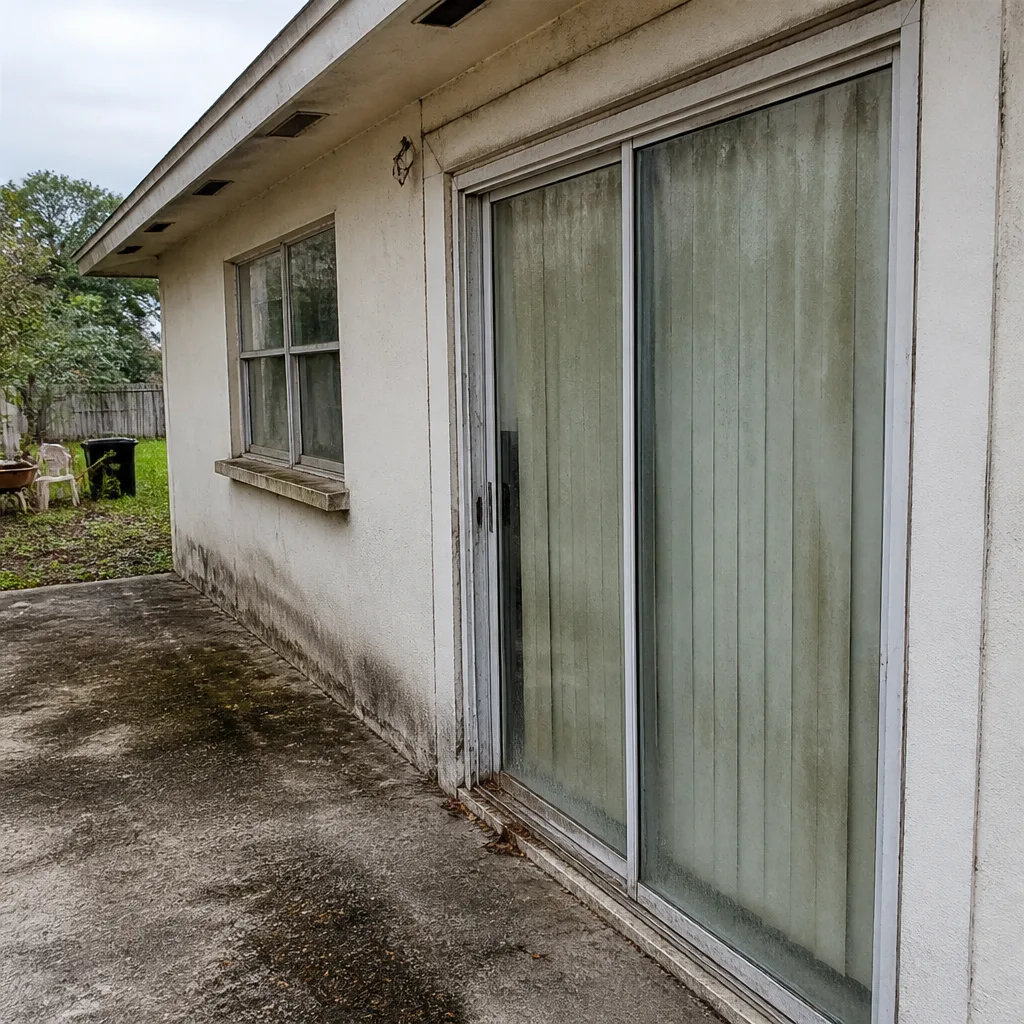 Before
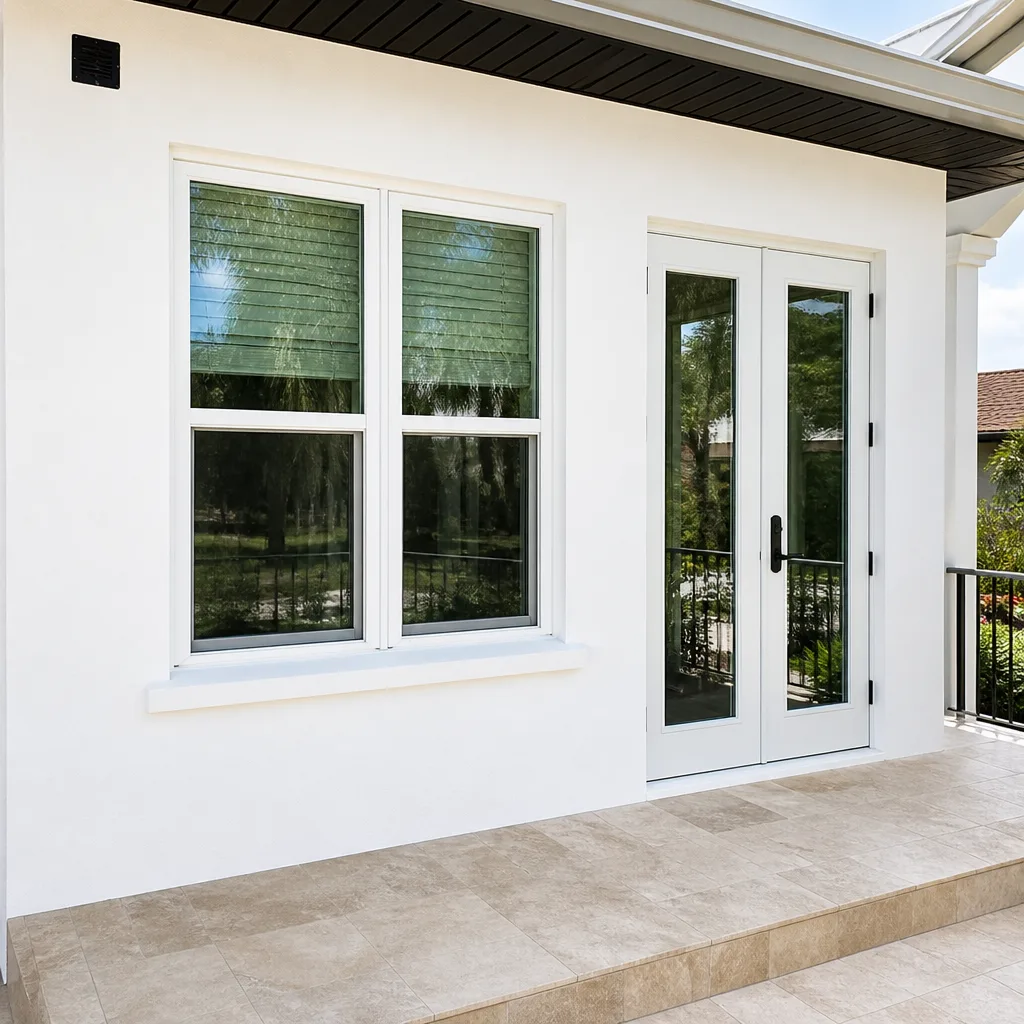 After
After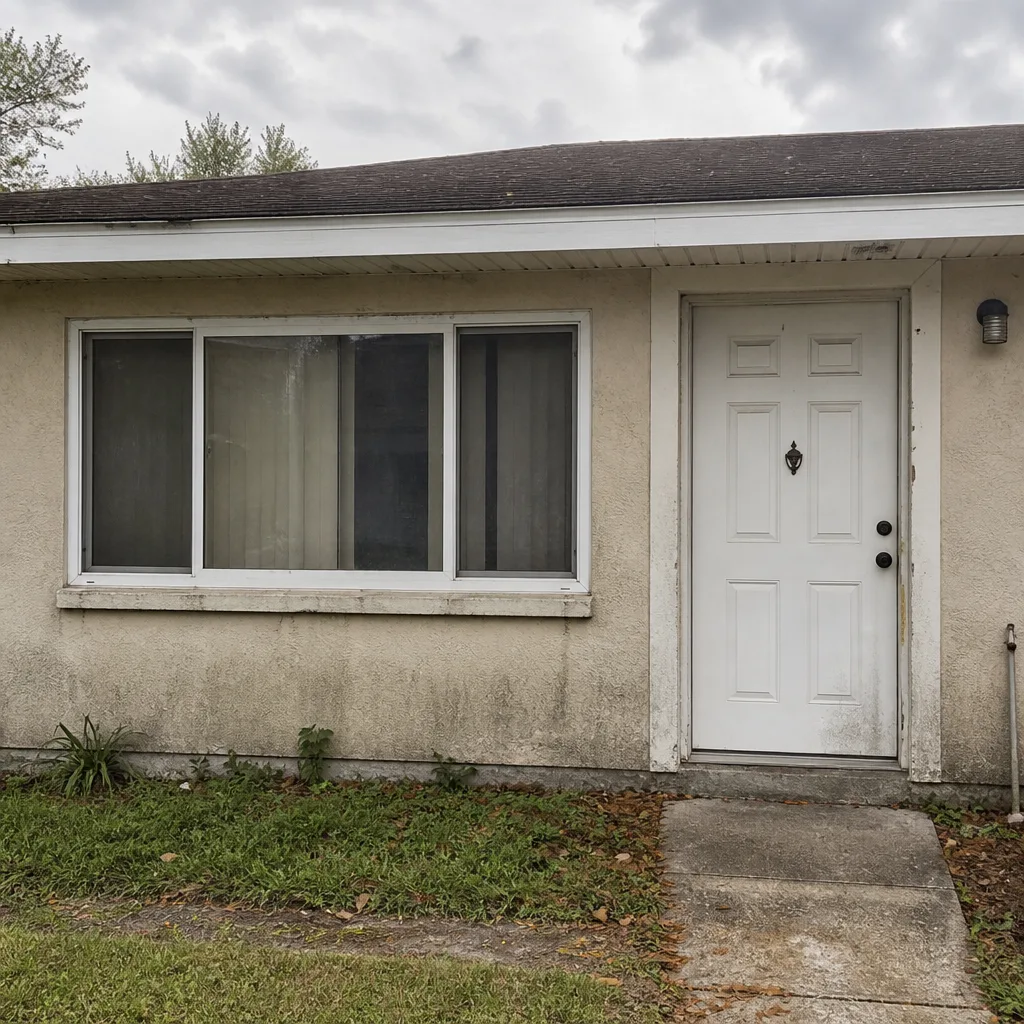 Before
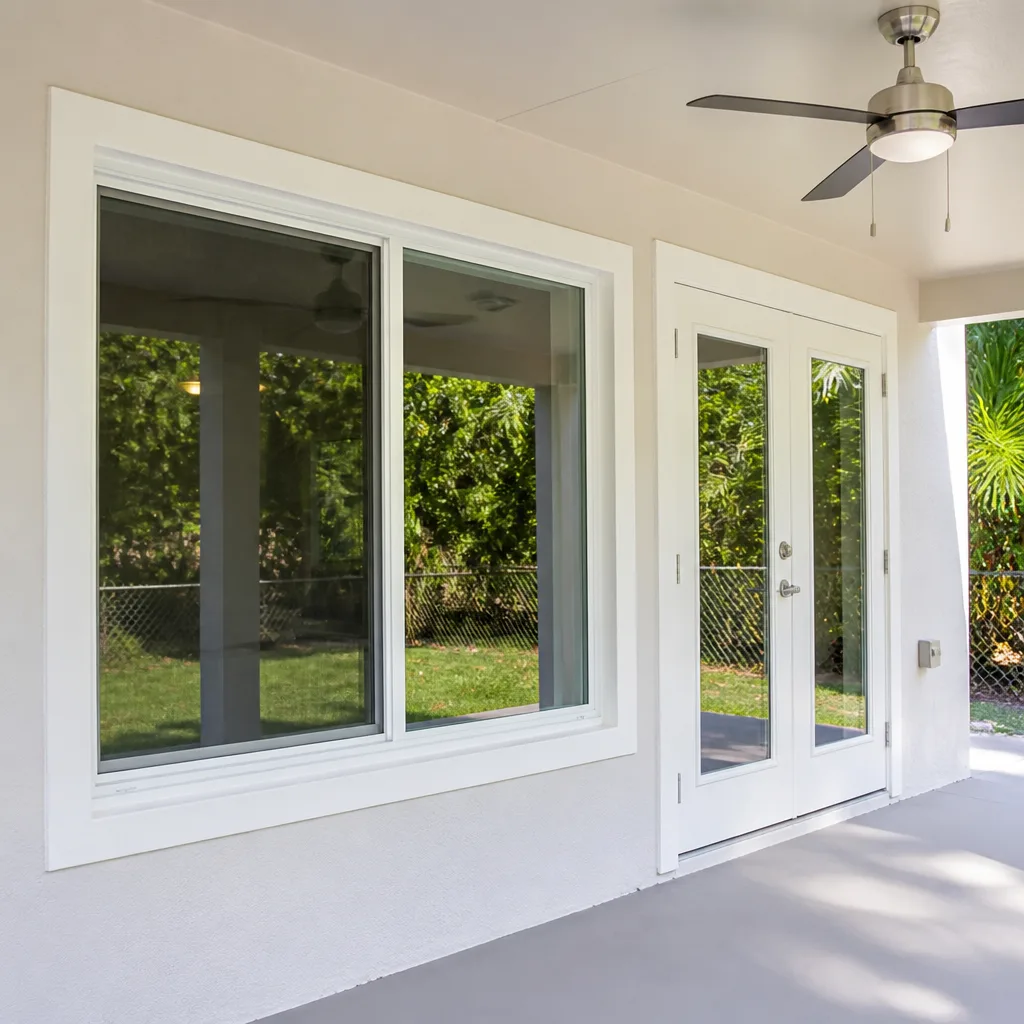 After
After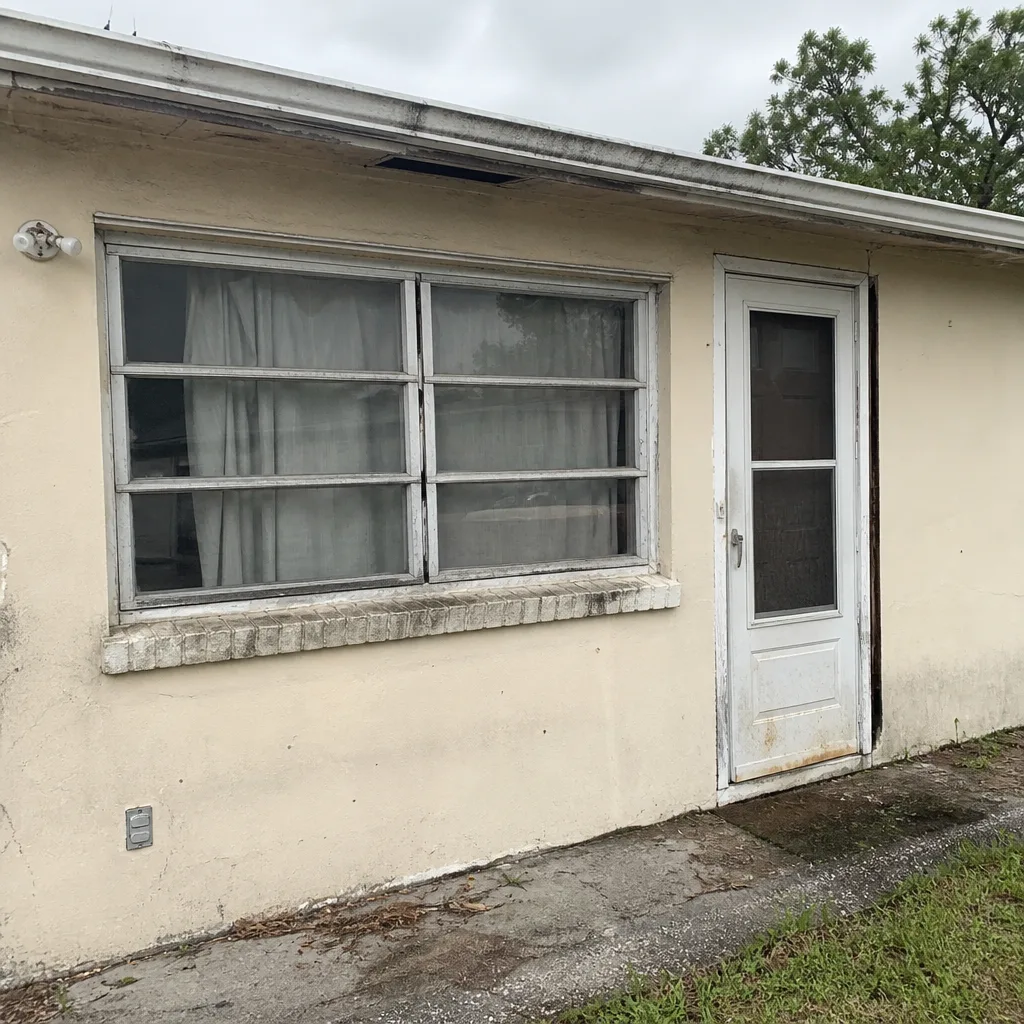 Before
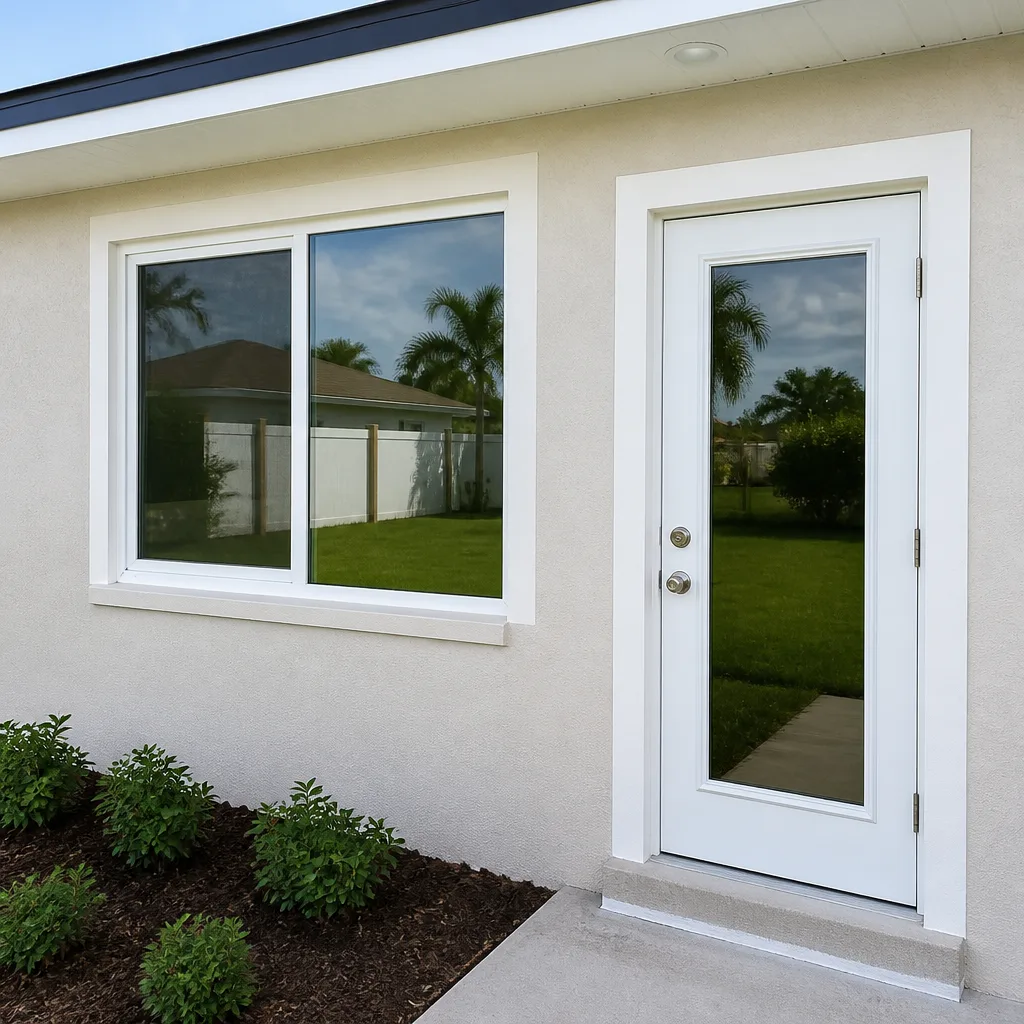 After
AfterWindows & Doors Permits, Codes & Inspections in FL: What You Need to Know
A Florida window installation can pass inspection and still have installation defects that void the impact rating. That’s not a loophole; it’s the gap between what inspectors verify and what manufacturers require. This guide explains how Florida’s permit process protects you, where inspection stops and installer integrity begins, and how to be an informed participant in your own project. For more guides & resources, visit our blog. We’ve built and installed in Westgate for over fifteen years, and we’ve answered every permit question a homeowner can ask. Here’s the full picture.
Quick Answer
In Florida, window and door replacement requires a building permit from your local municipality (like Westgate’s building department) or the county if you live in unincorporated land. The permit triggers mandatory inspections that verify code compliance, wind-load ratings from the Florida Product Approval system, and structural anchoring, but inspectors do not verify manufacturer installation specifications like torque values and flashing methods. Expect the permit and inspection process to add 2 to 6 weeks to your project timeline, with costs ranging from $75 to $400 depending on your jurisdiction.
Table of Contents
- Which Permit Type Applies to Your Window or Door Project in Florida
- What a Florida Building Inspector Actually Checks (and What Falls Outside Their Scope)
- Understanding the Florida Product Approval (NOA) Number on Your Permit
- The Notice of Commencement Requirement for Projects Over $2,500
- What Happens to Unpermitted Window Work at Resale
- Step-by-Step: The Window Permit Process in Westgate
- What Does a Window and Door Permit Cost in Florida?
- Common Mistakes to Avoid
- When to Call a Professional
- Frequently Asked Questions
- The Bottom Line
Which Permit Type Applies to Your Window or Door Project in Florida
Florida building code requires a permit for any window or door replacement that involves altering the opening, changing the size of the opening, or replacing a product with a different structural or impact rating. A simple like-for-like swap of a single window, where the rough opening stays untouched, may fall under a “residential alteration” permit with a lower fee. But in most Florida municipalities, including Westgate, even a like-for-like replacement requires a permit because the product itself carries wind-load certification that must be verified against your home’s location on the wind map.
The key distinction is between municipal permitting and county permitting. If you live inside an incorporated city or town, your local building department issues the permit. If you live in unincorporated county land, the county building department handles it. Westgate residents deal with the city’s building services division. This matters because the timeline, fee schedule, and inspection scheduling process vary between jurisdictions. Municipal permitting in Westgate typically moves faster than county permitting, sometimes by a week or more.
Permit Types You May Encounter
- Residential alteration permit: Used for like-for-like window or door swaps where the opening size is unchanged and the structural frame remains intact.
- Residential remodeling permit: Required when you enlarge an opening, convert a window to a door, or change the structural header above the opening.
- Impact product permit: In Florida’s High Velocity Hurricane Zones (HVHZ) and Wind-Borne Debris Regions, impact-rated windows and doors require additional documentation showing Florida Product Approval numbers.
- Roof-to-wall connection permit: When replacing windows in conjunction with roof repair or replacement, some municipalities require a separate inspection for the connection points.
In Westgate, most window replacement projects fall under the residential alteration permit or impact product permit. The determining factor is whether the product’s Florida Product Approval number matches the wind-load requirements for your specific structure. We pull permits for every job, and the first thing the permit office wants to see is the NOA sheet for the product being installed.
Quick Answer: You need a building permit for window and door replacement in Florida whenever the product changes, the opening changes, or the structural connection changes. The permit type depends on your project scope and whether you are in a municipality like Westgate or unincorporated county land. The permit process typically takes 2 to 6 weeks total.
What a Florida Building Inspector Actually Checks (and What Falls Outside Their Scope)
Florida building inspectors are legally responsible for verifying code compliance. They check specific items listed in the Florida Building Code, and they have neither the time nor the authority to verify manufacturer installation specifications beyond what the code incorporates by reference. This distinction explains why a job can pass inspection yet still have installation defects that void a window’s impact warranty or reduce its air and water performance. For a deeper look at what to watch for, see our Windows & Doors Warning Signs: A Westgate Homeowner’s Reference Guide.
In our fifteen years serving Westgate, we’ve seen failed inspections that arose from sloppy anchoring and passed inspections where the flashing was later found to be inadequate. The inspector’s scope matters as much as what the installer does between inspections.
What Inspectors Check
- Product approval verification: The inspector confirms the installed window matches the Florida Product Approval number listed on the permit and submitted product sheets.
- Anchoring and fastening: Inspectors verify the number, spacing, and type of fasteners specified in the product approval’s anchoring schedule.
- Structural header integrity: If you changed an opening size, the inspector checks that the new header meets span and load requirements.
- Flashing presence: The inspector checks that flashing is present at the sill, jambs, and head, but not necessarily the manufacturer’s specific flashing method or material compatibility.
- Impact resistance marking: Impact-rated windows in Florida must bear labels or etchings confirming the product’s compliance with HVHZ or wind-borne debris standards.
- Egress requirements: For bedroom windows, the inspector verifies the opening meets emergency egress dimensions.
What Falls Outside Inspection Scope
- Torque specifications: Manufacturers like PGT and Mr-Glass specify exact torque values for anchors. Inspectors rarely check these.
- Flashing integration details: How the flashing ties into the weather-resistant barrier behind the stucco or siding is generally not visible at inspection time.
- Square and plumb tolerances: The inspector checks that the window operates, not whether it is square within manufacturer tolerances, which affects long-term seal performance.
- Sealant and caulking quality: The inspector checks for sealant presence, not the quality of adhesion or the specific sealant type the manufacturer requires.
- Water management system continuity: The integration of sill pans, weep holes, and drainage paths is not consistently verified.
The gap between code compliance and manufacturer compliance is real. A window that passes inspection can still leak air, allow water intrusion, or fail under hurricane loads because the installer skipped a torque step or used the wrong flashing material. That is why the Done Right Promise matters in this trade. We install to the manufacturer’s spec, not just to the inspection checklist. When we have replaced window installations in Westgate after a competitor’s pass, the defects were almost always in the spaces between code and manufacturer requirements.
Understanding the Florida Product Approval (NOA) Number on Your Permit
Every impact-rated window and door sold in Florida carries a Florida Product Approval number, commonly called the NOA number. The Florida Building Commission maintains a database of approved products, each with tested performance data for wind loads, impact resistance, water penetration, and structural integrity. The permit application must list the NOA numbers for every product being installed.
Here’s what most homeowners miss: the NOA number on your permit must match the exact product installed. Substituting an equal brand or a different model without updating the permit creates a mismatch that can come back to haunt you at resale or after a storm. We’ve helped Westgate homeowners correct permits after contractors installed a different product than the one approved.
How to Verify the Installed Product Matches the Permit
- Find the NOA number on your permit: The permit document lists the Florida Product Approval number for each window or door line item.
- Check the product label: Every approved product carries a label or etching with the NOA number. On PGT windows, it is typically etched into the glass corner.
- Visit the Florida Building Commission database: The online system lets you search by NOA number and verify the product’s tested performance ratings, including design pressure and impact rating.
- Confirm the wind-load zone on the product approval matches your home’s location: Homes in Westgate fall within specific wind speed contours, and the NOA must be rated for that contour.
- Verify the installation method matches the approval: The Florida Product Approval includes an installation-detail drawing. The approved anchoring schedule must match what the installer used.
If you discover a mismatch, do not ignore it. A product installed without a matching NOA approval may not be covered by the manufacturer’s warranty, and your insurance carrier may deny a future claim because the product was not installed in accordance with its approval. The good news is that a mismatch can often be corrected by amending the permit and having the product re-inspected against the correct NOA. We’ve handled these corrections in Westgate more times than we’d like.
Brands we install like PGT, Therma-Tru, and Mr-Glass each maintain current Florida Product Approvals. The approval number is printed on every product label, and the approved installation method is publicly available. Ed Winslow’s rule is simple: if the NOA number on the permit doesn’t match the product in the truck, the product doesn’t get installed.
The Notice of Commencement Requirement for Projects Over $2,500
Florida law requires a Notice of Commencement (NOC) be filed with the county clerk and recorded before any project exceeding $2,500 begins. Window and door replacement projects in Florida frequently cross that threshold, especially when multiple openings are involved or the products are impact-rated. The NOC protects you, the homeowner, from mechanic’s liens and from the possibility of paying twice for work if the contractor fails to pay subcontractors or suppliers.
Skipping the NOC is a serious mistake. Without it, a subcontractor or material supplier who goes unpaid can file a lien against your property, even if you paid the general contractor in full. The NOC establishes the official start date of the project and identifies all parties with the right to file liens. It also caps lien rights to work performed after the NOC is recorded.
How to File a Notice of Commencement
- Obtain a copy of the NOC form: The form is available from your county clerk’s office or the building department. In Westgate, the building department provides the form with the permit application.
- Complete the form with the legal property description: You need the legal description from your deed, the property address, and the names and addresses of the owner and contractor.
- File and record the NOC with the county clerk: There is a recording fee, typically under $50.
- Post a certified copy at the job site: Florida law requires the NOC to be posted at the job site during the project.
- Provide a copy to your contractor and any lender: The NOC activates lien rights, so all parties need the recorded copy.
The NOC requirement applies across Florida, but enforcement and education vary by jurisdiction. In Westgate, we file the NOC on behalf of our clients for every project over $2,500. It’s part of the permitting process we handle from start to finish. If your contractor does not mention the NOC on a $10,000 window replacement, that’s a red flag.
What Happens to Unpermitted Window Work at Resale
Unpermitted window and door work becomes a liability the moment you list your home for sale. Florida sellers are required to disclose any work performed without a permit, and Florida real estate contracts include representations about permits and code compliance. Concealing unpermitted work is fraud. Disclosing it typically kills the deal or forces a price reduction.
We’ve seen it happen repeatedly in Westgate. A homeowner replaces windows in 2018 without pulling permits, then lists the home in 2024. The buyer’s inspector or appraiser flags the unpermitted work. The seller then has three options: pull a retroactive permit and have the work inspected, remove the windows and install them properly with permits, or reduce the price to compensate the buyer for the risk. None of these options are cheap.
What Unpermitted Window Work Really Costs at Resale
- Retroactive permit fees: Most Florida municipalities charge double the original permit fee for retroactive permits, and some charge triple.
- Opening-up costs: If the inspector cannot verify the installation without exposing the rough opening, you may need to remove trim, drywall, or stucco to show the anchoring and flashing. This work is not cosmetic.
- Insurance complications: Many Florida insurance carriers will deny a claim for damage related to unpermitted work. Some insurers will not renew a policy once unpermitted work is discovered.
- Financing delays: Some lenders will not close on a home with unpermitted improvements. The buyer may be forced to find a new lender or the deal may collapse.
- Price concessions: Even when buyers proceed, they demand a price reduction to compensate for the risk. We’ve seen concessions from $5,000 to $20,000 on Westgate homes.
The permit fee on a typical window replacement is a few hundred dollars. The cost of retroactive permitting, invasive inspection, and price concession at resale is frequently ten to fifty times that amount. The math is not complicated. Pull the permit.
Step-by-Step: The Window Permit Process in Westgate
Westgate sits in Palm Beach County, which has specific requirements for wind-borne debris protection and impact-rated products. The process below reflects how permitting actually works here, based on hundreds of permits we’ve pulled since 2011. For full details on product selection and installation, see The Complete Guide to Windows & Doors in Westgate.
- Determine the wind-load zone: Your home’s location determines the required design pressure rating. Westgate homes typically require products rated for the high-velocity wind zone, which means impact-rated windows and doors from approved manufacturers.
- Select products with current Florida Product Approvals: Work with your contractor to choose windows and doors that meet or exceed the required design pressure. Impact-rated products from PGT and similar manufacturers are the standard in Westgate.
- Prepare and submit the permit application: The application includes the product approval sheets, anchoring schedules, and site plans. Most Westgate applications are submitted electronically through the city’s e-permitting portal.
- Pay the permit fee: Fees vary based on project valuation. A typical window replacement in Westgate runs $150 to $400 in permit fees.
- File the Notice of Commencement: For projects over $2,500, file the NOC with the county clerk and post it at the job site.
- Schedule and pass the rough inspection: If you’re changing opening sizes, the inspector checks the new header, framing, and anchoring before the window is set. This inspection happens before interior finishes go back.
- Schedule and pass the final inspection: The inspector verifies the installed products match the permit, checks operation, egress, and impact labeling. This is the inspection where the NOA numbers matter most.
- Receive your final approval and close out the permit: Once the final inspection passes, the permit is closed. Keep a copy for your records and for resale.
The timeline in Westgate typically runs 2 to 6 weeks from application to final inspection, depending on the city’s inspection backlog and correction cycles. We coordinate the entire process for our clients. You should never be asked to pull your own permit as the homeowner on a window replacement project; that’s the contractor’s job, and if someone asks you to do it, that’s a sign they are not a licensed contractor.
What Does a Window and Door Permit Cost in Florida?
Permit fees in Florida are based on project valuation, not a flat rate. The building department calculates fees using a fee schedule that scales with the estimated cost of the work. For window and door replacement, the permit fee is typically $75 to $200 for a small single-window swap, $150 to $400 for a multi-window replacement, and $250 to $600 for a full window and door package with structural changes.
The table below shows typical permit fee ranges for common window and door projects in Westgate and surrounding Palm Beach County municipalities.
- Single window replacement (like-for-like): $75 to $150
- Single impact window replacement: $100 to $200
- Multiple window replacement (3 to 6 windows): $200 to $400
- Full window and door package replacement: $300 to $600
- Window-to-door conversion (structural change): $400 to $800 including plan review
- Retroactive permit (unpermitted work discovered later): Double to triple the standard fee, plus possible plan review costs
These are permit fees only. They do not include the cost of engineering or architectural drawings, if required, or the inspection scheduling fees some municipalities charge. In Westgate, the e-permitting portal includes the fee estimate automatically when the application is submitted.
We include permit fees as a line item on every written estimate. No surprises. If a contractor’s quote does not mention permits at all, ask twice. Some contractors avoid permits to save time and money, and that decision becomes your problem later.
Common Mistakes to Avoid
- Assuming the inspector verifies everything: Florida inspectors check code compliance, not manufacturer installation specs. If your installer skips the manufacturer’s torque values or flashing method, the inspector will not catch it. Insist on an installer who follows the manufacturer’s installation manual, not just the inspection checklist.
- Signing a contract with a contractor who asks you to pull the permit: In Florida, the contractor is responsible for pulling the permit. If a contractor asks you to pull it in your name, they may be unlicensed or trying to shift liability to you.
- Skipping the Notice of Commencement on a $3,000 project: The threshold is $2,500. Skip the NOC and you lose lien protection. A subcontractor’s unpaid invoice becomes your problem, not the contractor’s.
- Installing impact windows without confirming the NOA number matches the permit: A mismatch voids the manufacturer’s warranty and may cause your insurance carrier to deny a storm damage claim. Verify the NOA number on the permit against the product label before final inspection.
- Choosing the cheapest bid without checking license and insurance: Unlicensed contractors do not pull permits, do not file NOCs, and do not stand behind their work. The cheap bid is often the most expensive window you’ll ever buy.
- Not keeping permit records: When you sell your home, the buyer’s agent will ask for permit records. If you don’t have them, the deal may stall. Keep your final approval and permit documents with your closing papers.
- Waiting until a storm is forecast to replace windows: Permit timelines don’t compress for hurricane warnings. If you’re replacing windows in Westgate, start the process before the season begins.
When to Call a Professional
Call a licensed contractor when your window or door project involves changing opening sizes, replacing load-bearing headers, installing impact-rated products, or correcting unpermitted work from a previous owner. These are not DIY projects, and the risks of doing them wrong include structural failure, water intrusion, and voided insurance coverage. A licensed contractor handles the permit, the NOC, the product approvals, and the inspections, and understands the difference between code compliance and manufacturer compliance. Winslow Windows & Doors offers free estimates in Westgate; call (561) 468-6136 and we’ll walk you through the entire process, permit to final inspection. Ed’s name is on the door, and on every job we do.
Frequently Asked Questions
In Westgate, window permit approvals typically take 2 to 4 weeks from submission to issue, depending on the city’s current workload and whether any corrections are required. The full process, including inspections, usually runs 2 to 6 weeks from start to finish. We coordinate Westgate permits regularly and can give you a realistic timeline for your specific project. Call (561) 468-6136 for a free estimate that includes the permit timeline.
No. Florida building code requires a permit for window replacement, even like-for-like swaps, in most municipalities including Westgate. The permit verifies that the product’s Florida Product Approval matches your wind-load zone and that the installation meets structural anchoring requirements. Homeowners performing their own work are still required to pull the permit and pass inspections. If you’re considering DIY window replacement, read our DIY vs Professional Windows & Doors: The Westgate Homeowner’s Decision Guide first, then talk to a licensed contractor about what the permit process actually involves, call (561) 468-6136.
An NOA number is the Florida Product Approval number that identifies the specific window or door product in the Florida Building Commission’s database of tested and approved products. The permit lists the NOA number, and the inspector verifies that the installed product matches it. If the product and the permit don’t match, the inspection fails or the installation is non-compliant.
Yes, if the project cost exceeds $2,500. The Notice of Commencement protects you from mechanic’s liens by establishing the official project start date and identifying parties with lien rights. It is filed with the county clerk and posted at the job site. We file the NOC on behalf of our clients for every qualifying project in Westgate.
You must disclose the unpermitted work, and the buyer’s lender or inspector will likely flag it. You may be forced to pull a retroactive permit, pay double or triple the standard fee, open up walls to expose the installation, or reduce the price. Unpermitted window work consistently costs sellers thousands of dollars at resale.
No. A passed inspection means the installation meets minimum code requirements. It does not verify manufacturer installation specifications like torque values, flashing methods, or square and plumb tolerances. That’s why the installer matters as much as the inspection. We install to the manufacturer’s spec, not just to the inspection checklist. If you want a done-right installation in Westgate, call (561) 468-6136 for an exact quote. Estimates are free.
The Bottom Line
Florida’s permit and inspection process for windows and doors exists to protect homeowners, but it only protects you if you understand its limits. Inspections verify code minimums, not manufacturer standards. The permit ties the product to its Florida Product Approval, and the Notice of Commencement protects your title. Skirting any of these requirements creates liability that compounds at resale and after storms. Whether you’re in Westgate or elsewhere in Florida, the rules are clear: pull the permit, verify the product approval, file the NOC, and hire an installer who holds themselves to a higher standard than the inspection checklist. We’ve been installing windows and doors here since 2011, and Winslow Windows & Doors home stands behind every job with the Done Right Promise. If you need Impact Windows in Westgate, start with a conversation. For Window Installation in Westgate, ask about the permit process. And for Window Replacement in Westgate, get a written estimate that includes permit fees as a line item. A neighbor you can call at 2 a.m., and someone will actually answer. Call (561) 468-6136 for your free estimate. The one down the road.
Written by Ed Winslow, Owner at Winslow Windows & Doors, serving Westgate since 2011.
Six Reasons Homeowners Choose Winslow Windows & Doors
Impact systems engineered to design pressures up to +/-100, matched to your wind zone - your openings hold when the storm arrives.
Low-E insulated impact glass from our manufacturer lines commonly cuts monthly cooling bills 20-30%.
Laminated impact glass shuts out up to 40% of outside noise - traffic, neighbors, weather.
Monitoring services run $30-90 a month. Laminated impact glass resists forced entry around the clock, with no subscription.
Florida homeowners average around 25% savings on the windstorm portion of their policy after protecting every opening - some homes qualify for more.
A full impact package upgrades curb appeal, buyer confidence and appraised value in one project.