
Last updated August 27, 2026
Free in-home measure and quote - PGT, CGI and CWS impact lines compared on your actual openings, style by style

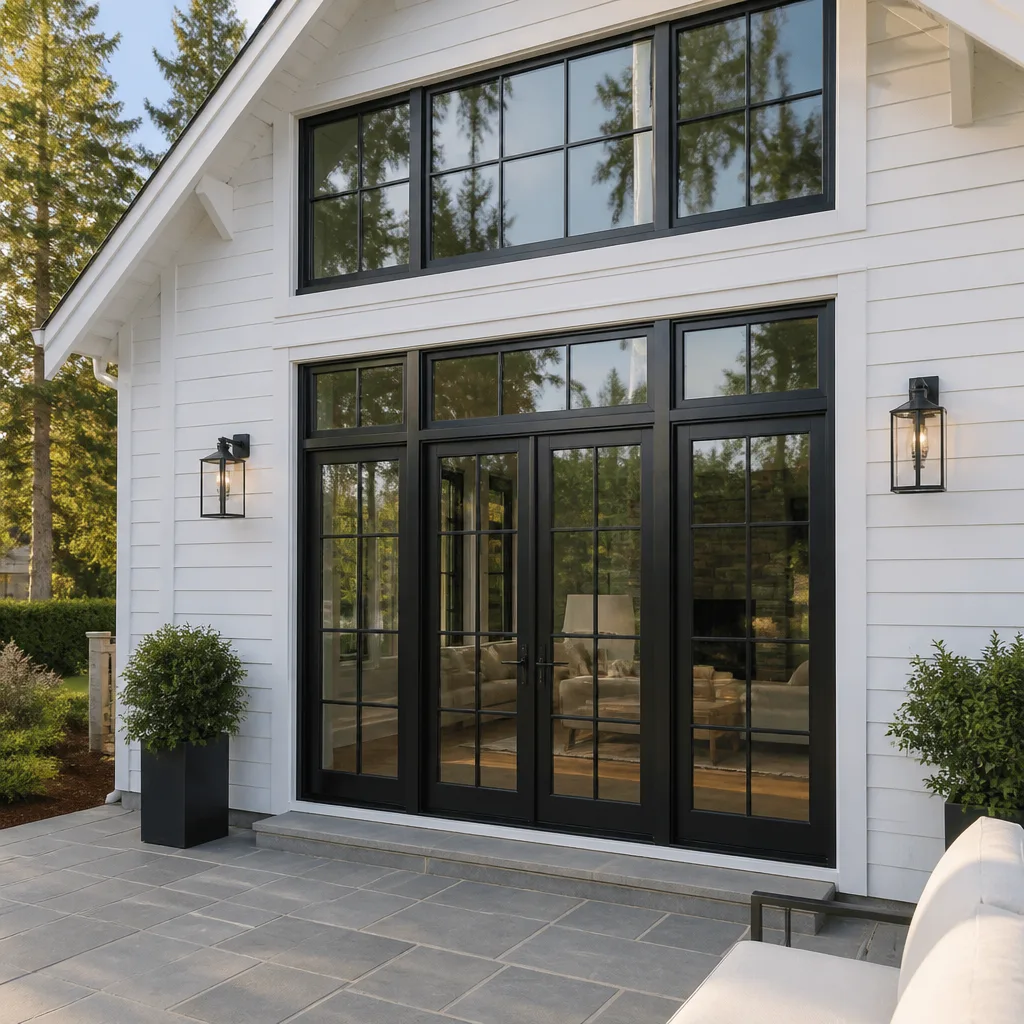
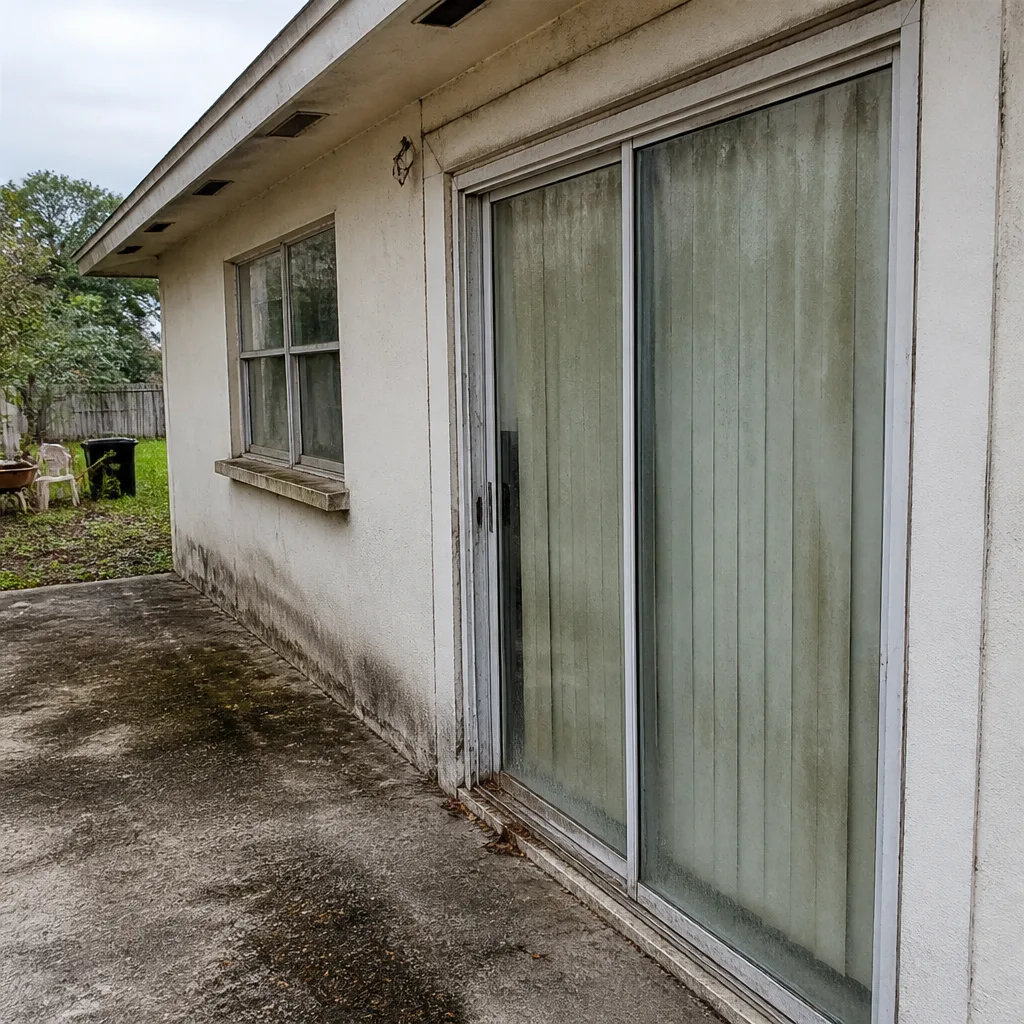 Before
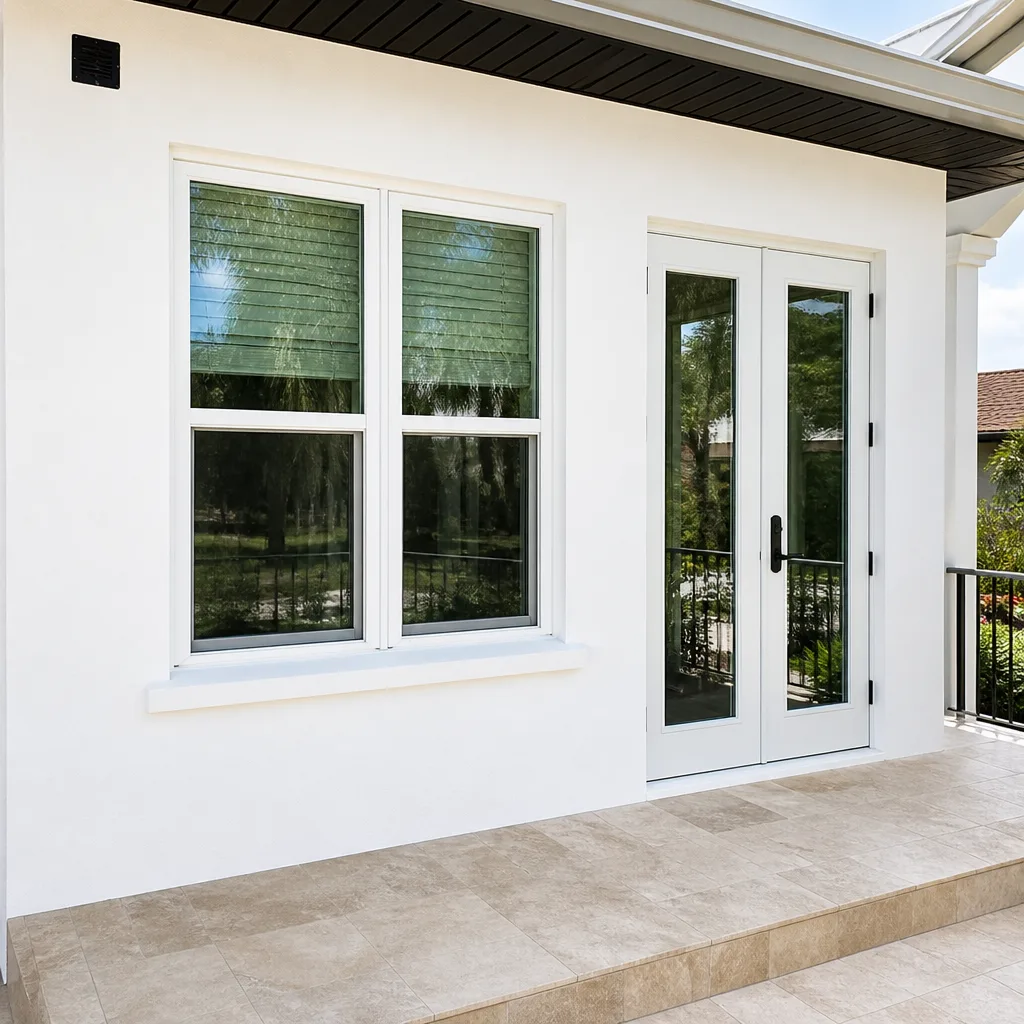 After
After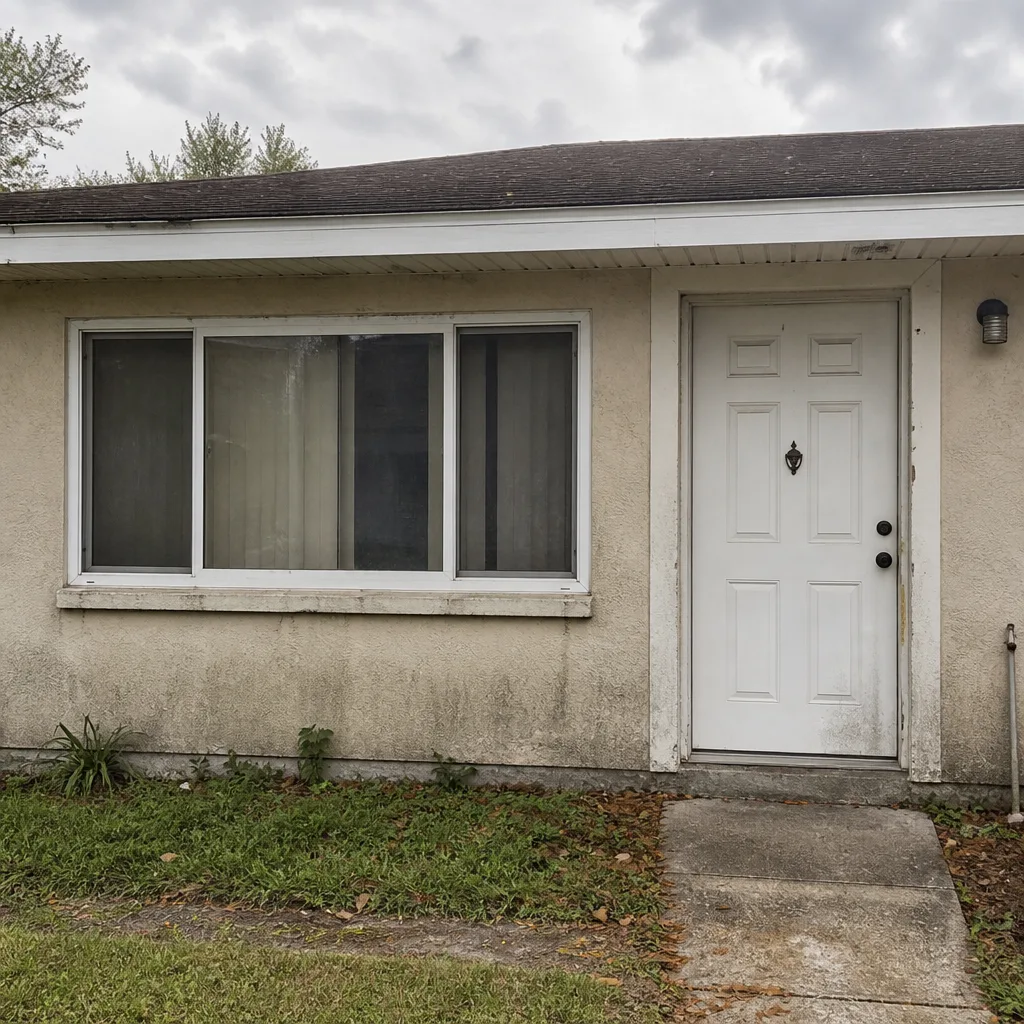 Before
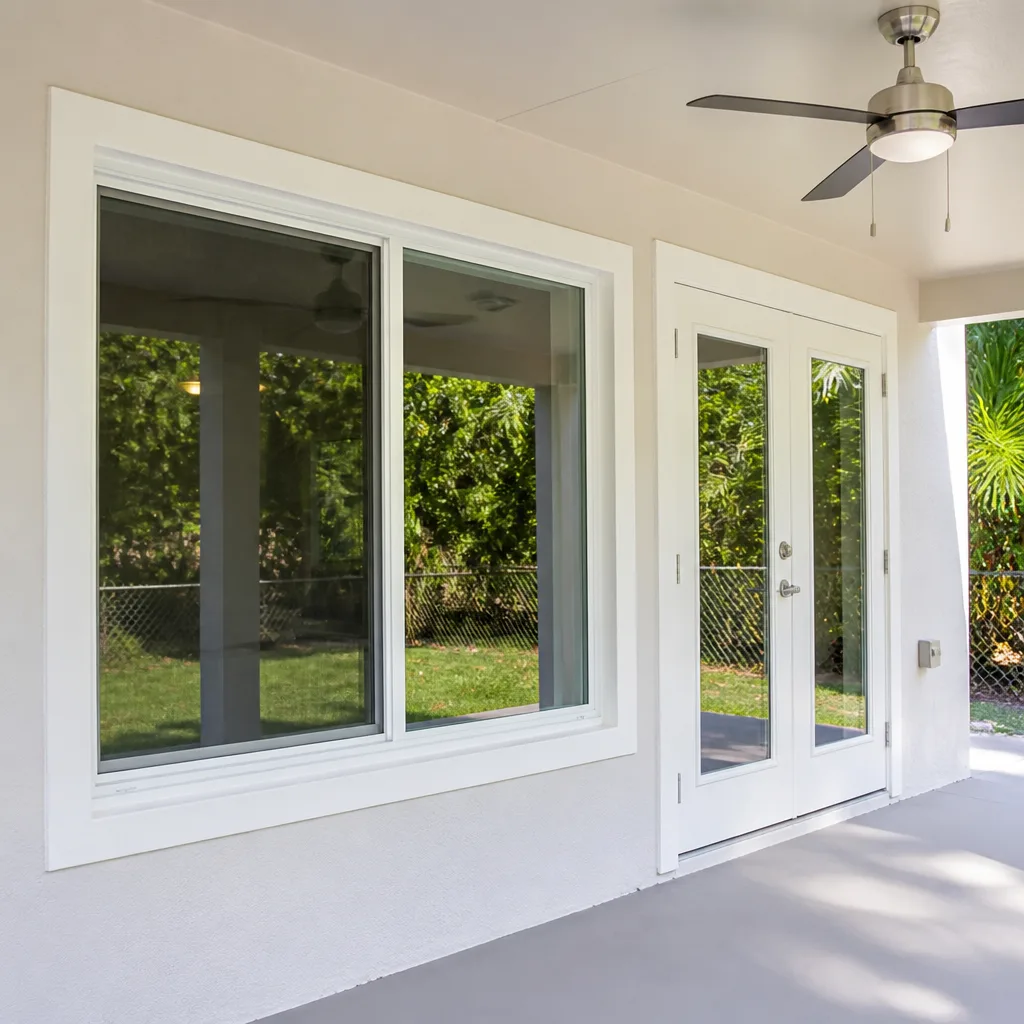 After
After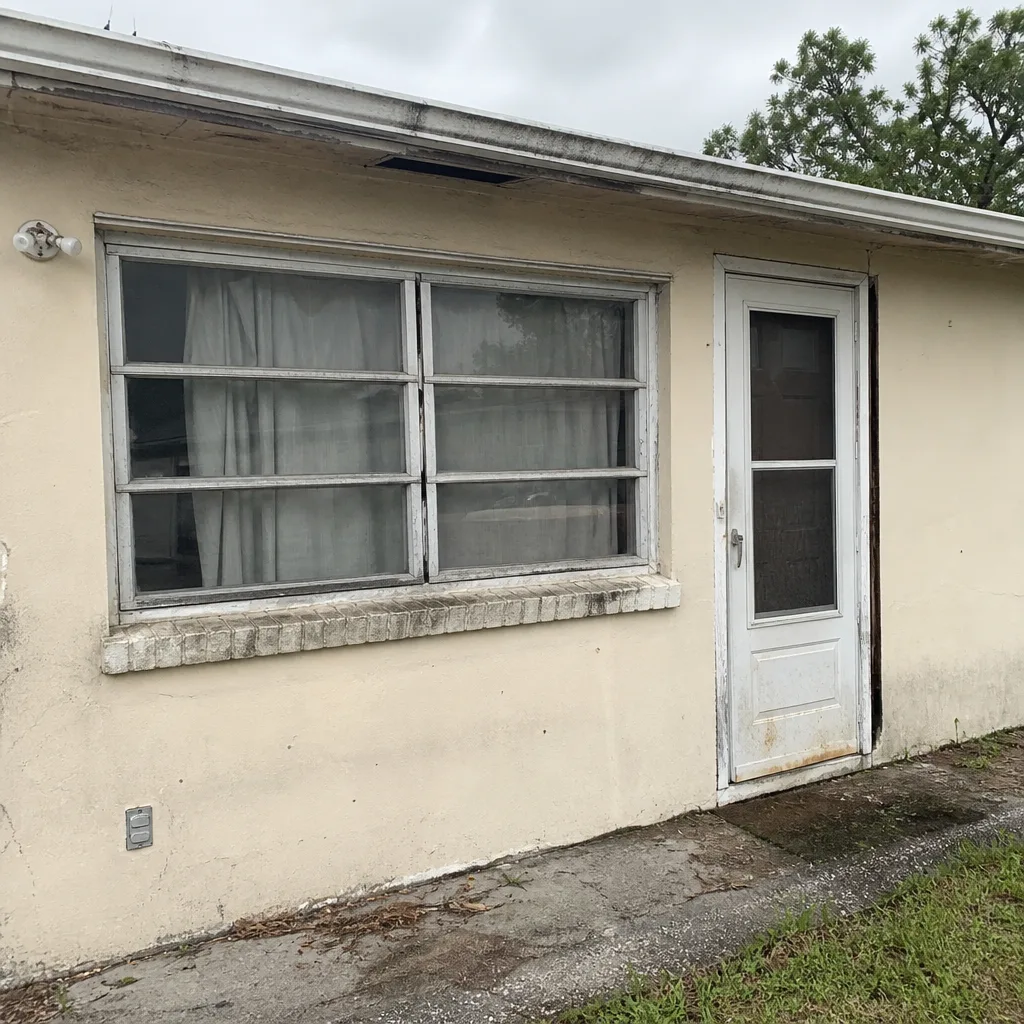 Before
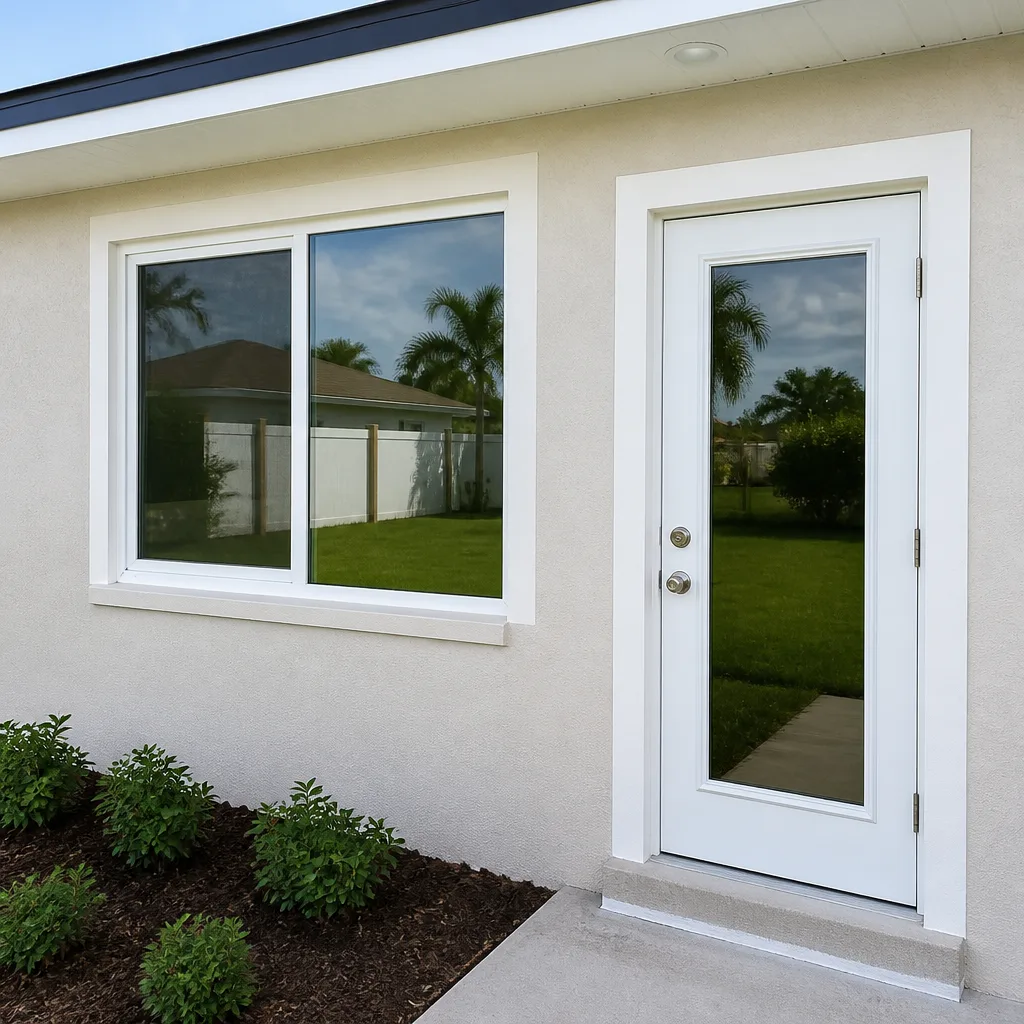 After
AfterDIY vs Professional Windows & Doors: The Westgate Homeowner’s Decision Guide
Most online window-replacement guides are written as if every reader lives in Ohio. You don’t. You live in Westgate, Florida, where Chapter 489 of the Florida Statutes quietly criminalizes a lot of the DIY work YouTube makes look easy. In most of the country, a skilled homeowner can legally swap a window on Saturday morning. Here, that same job can void your product approval, complicate a future home sale, and leave you answering hard questions from your insurance carrier after the next named storm. This guide walks through where the legal and practical line actually falls in Westgate, what the owner-builder exemption really allows, which two tasks DIYers can still safely handle, and what unpermitted work genuinely costs at resale. For how to hire a windows & doors contractor in Westgate, see our step-by-step guide. If you’ve been weighing the YouTube tutorial against a professional quote, this is the honest math.
Quick Answer
For most Westgate homeowners, professional window and door installation is the only legally defensible choice. Florida’s licensing rules, product-approval requirements, and resale disclosure laws make DIY replacement windows and exterior doors a high-risk project that can void impact ratings and insurance coverage, while driving up costs at closing. The smart DIY opportunities here are narrow: interior trim finishing after a professional install and non-permitted door hardware replacement.
Table of Contents
- Florida’s Owner-Builder Exemption: What It Actually Says
- Why DIY Voids Florida Product Approval and What That Means for Insurance
- The Two Tasks Where DIY Genuinely Makes Sense in Westgate
- The Real Cost of a DIY Impact Window Installation in Westgate
- What Unpermitted Windows Actually Cost at Resale
- DIY vs Professional: Where the Quality Gap Shows Up
- Common Mistakes to Avoid
- When to Call a Professional
- Frequently Asked Questions
- The Bottom Line
Florida’s Owner-Builder Exemption: What It Actually Says
Florida Statute 489.103(7) contains what’s known as the owner-builder exemption. It sounds generous on first read: a homeowner can act as their own contractor for work on their own residence. Pull the permit yourself, oversee the work yourself, sign the paperwork yourself. No license required. That’s the part the tutorials quote.
Here’s what most Westgate homeowners don’t learn until it’s too late. The exemption is not a blanket permission slip, and it carries obligations that follow the property, not the owner. If you pull an owner-builder permit and then hire unlicensed labor to do the actual work, you may have just committed a second-degree misdemeanor. The statute is explicit: the exemption applies when you do the work yourself. Hiring your cousin’s friend who “does windows on weekends” while you pull the permit is not DIY. It’s unlicensed contracting under your name, and an inspector who sees a crew that doesn’t match the permit holder will stop the job and flag the file.
The second obligation is the resale disclosure requirement. Under Florida law, if you build or improve your home under an owner-builder permit, you must disclose that fact to any buyer within three years of completing the work. The disclosure is recorded with the property records, meaning it follows the house. You sell in two years, six months? The buyer’s title company will find it. The buyer’s lender may ask for additional documentation. The buyer’s insurance carrier may ask questions about whether the work meets current product-approval standards. None of this happens when a licensed contractor pulls the permit, because the contractor’s license and insurance back the work. This one disclosure can turn a straightforward Westgate closing into a weeks-long negotiation over retroactive inspection costs or a price concession.
In our experience across Westgate, the owner-builder exemption works for homeowners who have genuine construction experience, who personally perform the labor, and who understand that they are now legally responsible for code compliance, worker safety, and any defects for years after the job. For everyone else, the exemption is a trap wrapped in a loophole. We’ve seen enough inspection failures and sale delays to say that plainly.
Why DIY Voids Florida Product Approval and What That Means for Insurance
Florida is one of two states with a mandatory product-approval system for hurricane-resistant building products. Every impact window and impact door sold in Westgate carries a Florida Product Approval number, usually printed on a label on the frame. That number means a certified testing laboratory fired 2x4s and wind-driven debris at the product at specific speeds, and the product held. It’s a factual, test-based certification, not a marketing sticker.
Here’s the part most DIY tutorials skip: the product approval covers the product as installed according to the manufacturer’s instructions and Florida Building Code requirements. It’s not a property of the window itself. It’s a property of the window plus the installation. A PGT or CGI or CWS impact window installed with the wrong fasteners, wrong spacing, wrong backer-rod depth, wrong sealant, or wrong flashing is not a Florida Product Approved installation, even if the window itself carries the approval number. The label may still be on the frame, but the installation doesn’t meet the standard the label describes.
What does that mean practically? Your insurance carrier in Florida typically asks for proof of impact protection when you apply for wind mitigation credits, which can reduce your premium by thousands of dollars over the life of a policy. If the work was done by an unlicensed installer, or if there’s no permit record, the carrier may deny the credit or ask for re-inspection by a licensed engineer. After a storm, if a window fails and water damages the interior, the adjuster’s first question is whether the window was properly installed. An unpermitted DIY installation creates an easy denial path. The carrier doesn’t have to prove the installation failed; it only has to show the installation wasn’t performed to the standard the policy assumes.
We’ve also seen insurance carriers ask for installation documentation after a homeowner files a claim for unrelated damage. The adjuster notices new windows during the walk-through, checks permit records, finds none, and suddenly the claim gets complicated. That’s not a hypothetical in Westgate. That’s a regular phone call we get.
The Two Tasks Where DIY Genuinely Makes Sense in Westgate
This guide isn’t anti-DIY. There are two specific tasks where a competent Westgate homeowner can save real money without triggering permit requirements, voiding product approvals, or creating resale problems. They’re narrow, but they’re real. For year-round upkeep tips, see our seasonal windows & doors care guide for Westgate.
1. Interior trim finishing after a professional install. When a professional installation crew sets a window or door, the interior trim work is often left for a finish carpenter, or included as a line item. Some Westgate homeowners choose to handle this themselves. Installing interior casing, window stools, and apron trim is cosmetic work that doesn’t bear on the structural or weatherproofing performance of the window. No permit is required for interior trim. You won’t void an impact rating by nailing up a piece of pre-primed pine. The work sits entirely inside the conditioned envelope, so the risk of water intrusion, air sealing failure, or frame compromise is zero.
2. Door hardware replacement that doesn’t require a permit. Replacing a door knob, deadbolt, handle set, or even upgrading to a smart lock is work a Westgate homeowner can do without pulling a permit or worrying about Florida Building Code compliance. Hardware swaps on an existing door are considered maintenance, not construction. The door and frame stay in place. The product approval on an impact door remains intact because the door assembly itself hasn’t been modified. The warning here: replacing the entire door slab, modifying the frame, or cutting new hinge mortises on an exterior impact-rated door is not maintenance. That’s installation work, and it crosses back into permit territory.
Everything else, including full window replacement, sliding glass door replacement, and any work on an impact opening, sits on the other side of the line.
The Real Cost of a DIY Impact Window Installation in Westgate
Most DIY cost analyses compare the price of a window at a big-box store to the price of a professional installation, then declare a four-figure savings. That comparison is missing the parts that actually drive the cost. Let’s look at what a single impact window installation actually requires in Westgate, and what it costs in time, tools, and permits when you’re not a contractor.
First, the window itself. A quality impact window from an authorized dealer is not a retail shelf item. PGT, CGI, CWS windows are sold through dealer channels. A homeowner buying one window off the shelf at a retail store is usually getting a window that doesn’t carry Florida Product Approval, or one that’s sized generically and won’t fit the opening. Custom sizing means a longer lead time and a higher per-unit cost than a contractor’s volume pricing.
Now the installation materials. A proper impact-window installation in a masonry or concrete-block structure, which is most of Westgate, requires:
- Approved concrete anchors or screws at the exact spacing specified by the manufacturer’s installation instructions, which vary by product line and by design pressure rating
- A torque wrench or torque-limiting driver set to the manufacturer’s specified torque for each anchor, not “tight enough”
- Backer rod sized to the actual gap between frame and rough opening, typically 1/4-inch to 5/8-inch depending on the opening, inserted to the correct depth so the sealant can form a proper joint profile
- Approved sealant, not generic silicone, applied to the right bead size and tooled within the working time
- Flashing tape or membrane at the sill and around the frame in specific lapping order so water drains outward, not inward
- Shims placed only at designated points, never randomly, to avoid bowing the frame and binding the sash
If you own none of these materials or tools, the one-time cost for a single window installation can run past $500 in specialty supplies and equipment before the window ever goes in the opening. Now factor in the permit application, which in Westgate runs through the county building department, and the inspection scheduling. You take a day off work for the install. You take another half day for the inspector. If it fails inspection, you fix the issues and schedule again. Every re-inspection costs money. The “savings” shrinks with each step.
A professional quote, by contrast, includes the window, the code-compliant materials, the permit, the inspection coordination, and the warranty, all at volume pricing. When Westgate homeowners show us their DIY estimates, the line items for anchoring, sealants, and flashings are usually the ones they underestimated. That’s the gap tutorials skip.
What Unpermitted Windows Actually Cost at Resale
“I’ll just do it without a permit” is a plan right up until the house goes on the market. In Westgate, the resale consequences of unpermitted window and door work are specific and measurable. Here’s what the process looks like when a buyer, title company, or insurance underwriter discovers unpermitted impact windows.
First, the title search flags the discrepancy. The county property record shows the original windows from the prior sale. The listing photos show new windows. A diligent title company - and South Florida title companies are diligent about this - will ask for permit documentation. If none exists, the seller now has a choice: reduce the price, or retroactively permit the work.
The retroactive permit process isn’t a rubber stamp. You file for an after-the-fact permit with the county. An inspector comes out. The inspector has to verify that the installation meets current Florida Building Code and product-approval standards. The problem: the inspector can’t see inside the wall. The anchors are buried. The flashing is behind the stucco returns. The inspector may require destructive testing, meaning a section of the interior drywall or exterior finish gets opened up to expose the installation. That’s a repair cost on top of the permit cost. If the installation doesn’t meet code, the correction order can require removing and reinstalling the window entirely.
Meanwhile, the buyer’s lender may stall the closing. Many lenders in Florida won’t fund a loan on a property with known unpermitted structural or envelope work. The buyer’s insurance carrier may decline to bind coverage until the permit is closed. Every week of delay costs the seller money in carrying costs: mortgage, taxes, utilities, and insurance on a house they’re trying to sell.
We’ve talked to Westgate sellers who came out of this process having spent more on retroactive permitting than the original professional installation would have cost. The line we repeat is simple: the permit is the cheapest part of the job. Skipping it is the expensive part.
DIY vs Professional: Where the Quality Gap Shows Up
Beyond the legal and insurance concerns, there’s a practical quality gap that shows up in specific, observable ways. These aren’t theoretical. They’re what we find when we’re called to fix a DIY install or a handyman special in Westgate. Proper maintenance helps avoid these issues-see our impact windows maintenance checklist for Westgate homeowners.
Alignment and operation. A window installed slightly out of square will bind. The sash sticks. The lock doesn’t seat. The homeowner lives with it by jiggling the window a certain way. A professional installation uses shims at specified points and checks plumb, level, and square with a laser before anchoring. The difference is a window that operates with one hand versus one that requires a shoulder.
Air and water sealing. The most common DIY failure we see is sealant joints that look fine from outside but fail at the first hard rain with wind behind it. Water finds the gap under the sill flashing or behind the side jamb. The homeowner discovers it when baseboard paint starts bubbling or a musty smell develops. By then the repair isn’t a re-caulk; it’s a full re-flash, which means pulling the window.
Thermal performance. An impact window with gaps around the frame is an air-conditioning leak in a Westgate summer. The room never cools. The AC runs longer. The homeowner blames the window, but the window is fine. The installation let the air through. Professional installers insulate the rough-opening gap with foam or backer rod and seal it continuously, which is what actually delivers the energy performance the window is rated for.
Warranty validity. Most impact window manufacturers, including PGT and CGI, condition their warranties on installation by a licensed and authorized dealer. If a homeowner installs the window and the insulated glass unit fails five years later, the manufacturer can decline the warranty claim because the installation wasn’t performed by a licensed professional per the written installation instructions. That’s a replacement cost the homeowner absorbs directly.
We’re not saying every professional installation is flawless, or that every DIY install fails. We’re saying the failure modes are predictable, and in Westgate’s heat, humidity, and storm exposure, predictable failures happen faster.
Common Mistakes to Avoid
- Pulling an owner-builder permit and hiring unlicensed help. Florida doesn’t blur this line. If you pull the permit, you do the work. Hiring an unlicensed crew under an owner-builder permit exposes you to misdemeanor charges and leaves you with no contractor’s warranty to fall back on.
- Skipping the permit entirely. In Westgate, unpermitted window work gets flagged at the worst possible moment: during an insurance claim after a storm, or during the inspection contingency on a sale. The retroactive permit costs more than the original permit ever would.
- Assuming any impact window label makes the installation code-compliant. The Florida Product Approval covers product plus installation. Wrong anchors, wrong spacing, wrong sealant, and the label on the frame means nothing to an inspector or an adjuster.
- Trusting generic YouTube tutorials instead of the manufacturer’s installation instructions. Every impact window line has specific installation requirements. A PGT window and a CGI window anchor differently. A video filmed in Texas on a wood-framed wall won’t apply to a Westgate concrete-block house.
- Replacing a door slab without addressing the frame. Exterior doors in Florida are frequently installed as a tested, mated assembly. Swapping the slab into an old frame breaks that assembly and can void the impact rating on the opening.
- Doing exterior envelope work without understanding drainage. Windows and doors in Westgate don’t just keep wind out; they have to drain water that gets past the outer seal, and that requires flashing lapped in a specific order. Getting this wrong leads to rot and mold inside walls, where you can’t see it until the damage is done.
- Treating the “I’ll do it myself” savings as free money. Between permits, tools, materials, failed inspections, and warranty loss, DIY replacement windows in Westgate rarely save what the initial price tag suggests.
When to Call a Professional
Call a professional any time the work touches the building envelope or the structural opening: full window replacement, sliding glass door replacement, new door frame installation, cutouts for new openings, or repairs to an existing impact window’s frame or anchoring. Call a professional when a permit is required, which covers nearly all exterior window and door work in Westgate. Call a professional when your insurance carrier will ask for proof of compliant installation, because that proof has to come from a licensed contractor who pulled the permit and passed the inspection. If you’re not sure whether a specific job needs a permit, call us and ask. Winslow Windows & Doors offers free estimates in Westgate and can tell you exactly what your job requires. Call (561) 468-6136.
Frequently Asked Questions
Yes, technically, if the homeowner obtains an owner-builder permit and performs all the work themselves. But the exemption carries legal obligations, including a three-year resale disclosure recorded with the property, and it does not shield you from code-compliant installation requirements. For most homeowners, unpermitted DIY work becomes a larger liability than the permit ever was.
In most cases, yes. Manufacturers like PGT and CGI condition their warranties on installation by a licensed contractor following their written installation instructions. A DIY installation that doesn’t meet those standards can result in a denied warranty claim if the insulated glass unit fails or the frame degrades.
Probably not. Your carrier will ask for installation documentation if it discovers new windows without a matching permit record. If the installation wasn’t performed by a licensed professional and inspected, the carrier may deny the claim on the grounds that the installed product doesn’t meet the wind-mitigation standard your policy assumes.
The retroactive permit fee itself is not the expensive part. It’s the reinspection, possible destructive testing to expose anchors and flashing, and any correction work the inspector requires. In some cases, the window has to be removed and reinstalled. Altogether, Westgate homeowners often spend more on retroactive permitting than the original professional installation would have cost.
Interior trim and casing work, door hardware replacement like knobs and deadbolts, and routine maintenance like re-caulking the interior perimeter are generally exempt from permit requirements. Anything that modifies the exterior opening, replaces a door slab, or touches the building envelope crosses back into permit territory.
Most single-opening or whole-house window replacement jobs take one to three days of installation time, with the permit process and inspection coordinated by the contractor. The timeline depends on how many openings, the type of window, and whether any structural repairs are needed once the old window comes out. We’ve completed many whole-house replacements in Westgate within a week from first cut to final inspection. Call (561) 468-6136 for an exact timeline on your home.
The Bottom Line
Westgate is not the place to learn window installation from a video. Florida’s code and permitting structure is more demanding than almost anywhere else in the country, and the costs of getting it wrong show up in failed inspections, denied insurance claims, and delayed home sales. For more guides & resources on windows and doors, visit our blog. The honest read is that professional installation isn’t an upsell here. It’s the default, for reasons that have nothing to do with marketing. DIY has its two safe corners, interior trim and door hardware, and those are worth doing. Everything else, from impact windows to sliding glass doors, belongs to a licensed contractor who pulls the permit, passes the inspection, and stands behind the work. Ed’s name is on the door, and on every job we do. If you’re in Westgate and weighing the options, call us at (561) 468-6136 for a free estimate and a straight answer on what your project actually needs.
Written by Ed Winslow, Owner at Winslow Windows & Doors, serving Westgate since 2011.
Six Reasons Homeowners Choose Winslow Windows & Doors
Impact systems engineered to design pressures up to +/-100, matched to your wind zone - your openings hold when the storm arrives.
Low-E insulated impact glass from our manufacturer lines commonly cuts monthly cooling bills 20-30%.
Laminated impact glass shuts out up to 40% of outside noise - traffic, neighbors, weather.
Monitoring services run $30-90 a month. Laminated impact glass resists forced entry around the clock, with no subscription.
Florida homeowners average around 25% savings on the windstorm portion of their policy after protecting every opening - some homes qualify for more.
A full impact package upgrades curb appeal, buyer confidence and appraised value in one project.