
Last updated August 27, 2026
Free in-home measure and quote - PGT, CGI and CWS impact lines compared on your actual openings, style by style
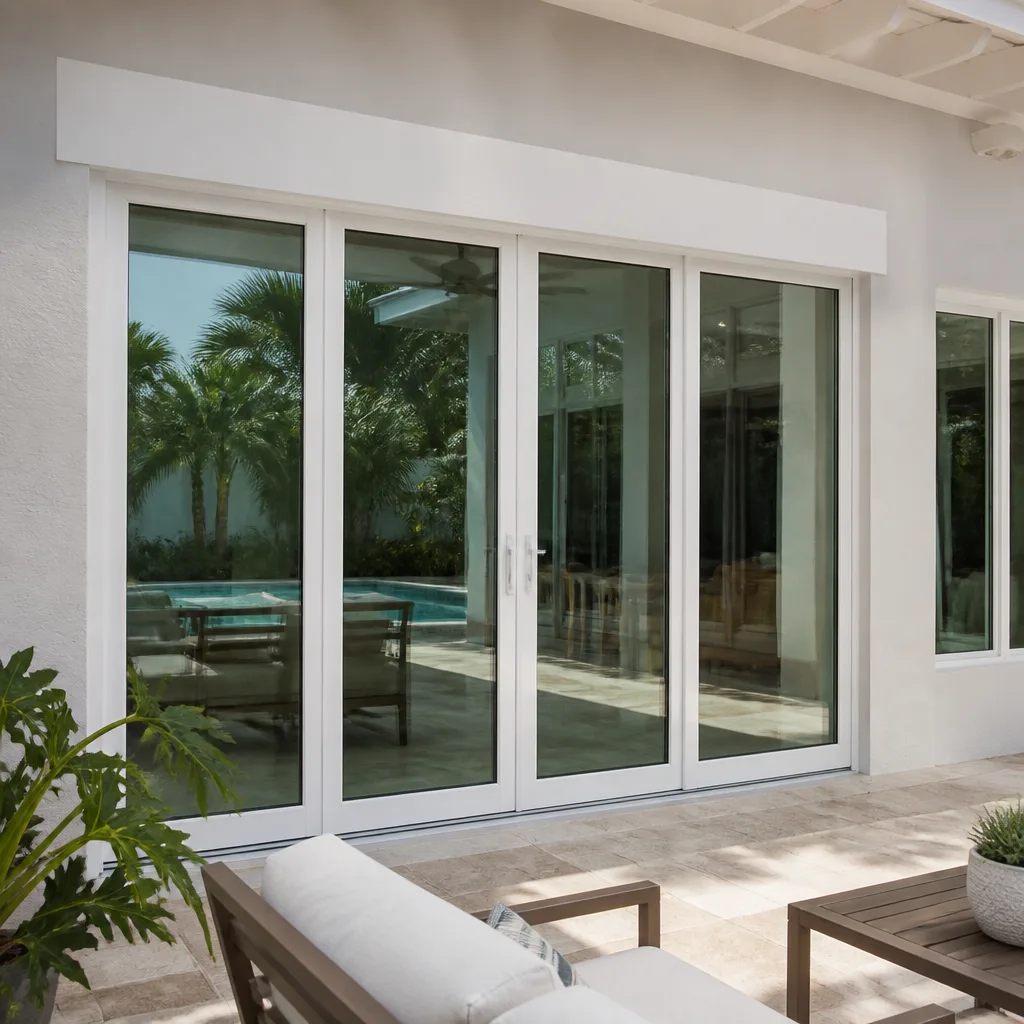
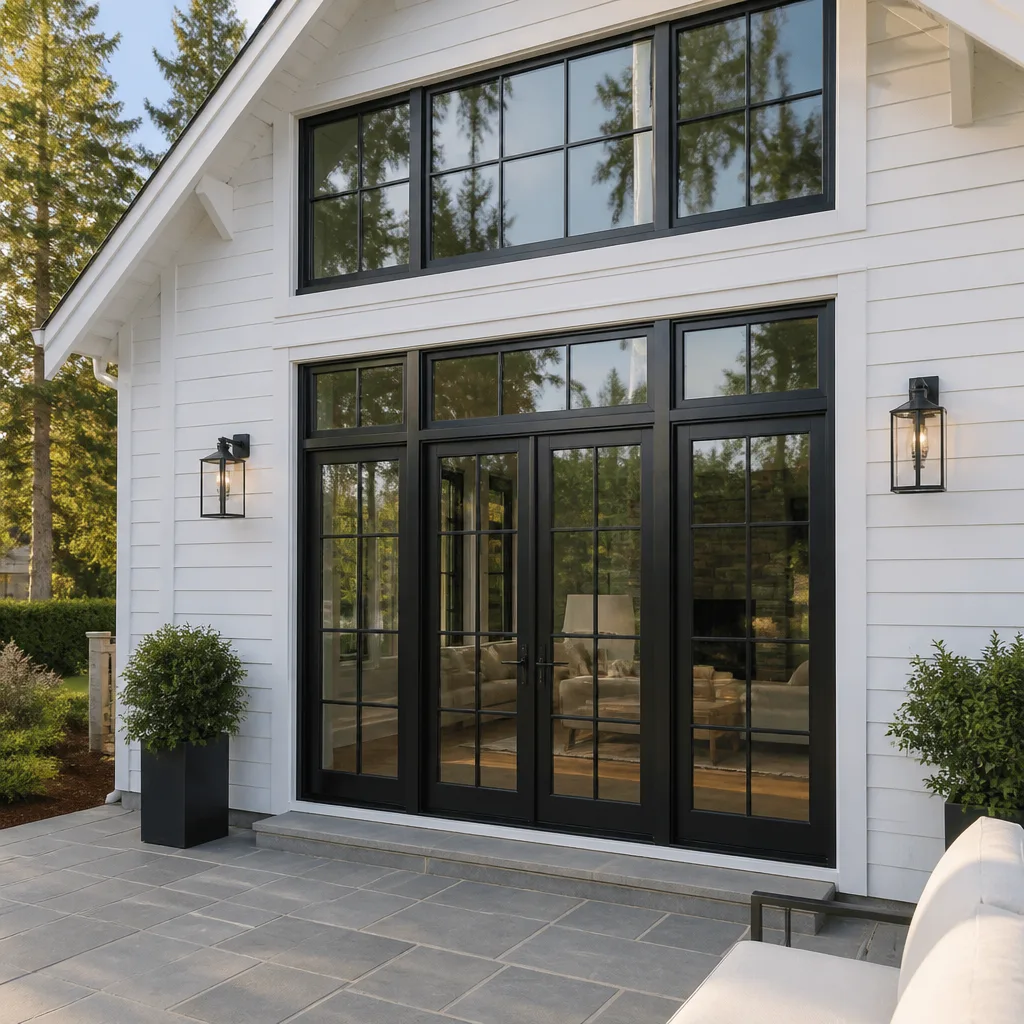
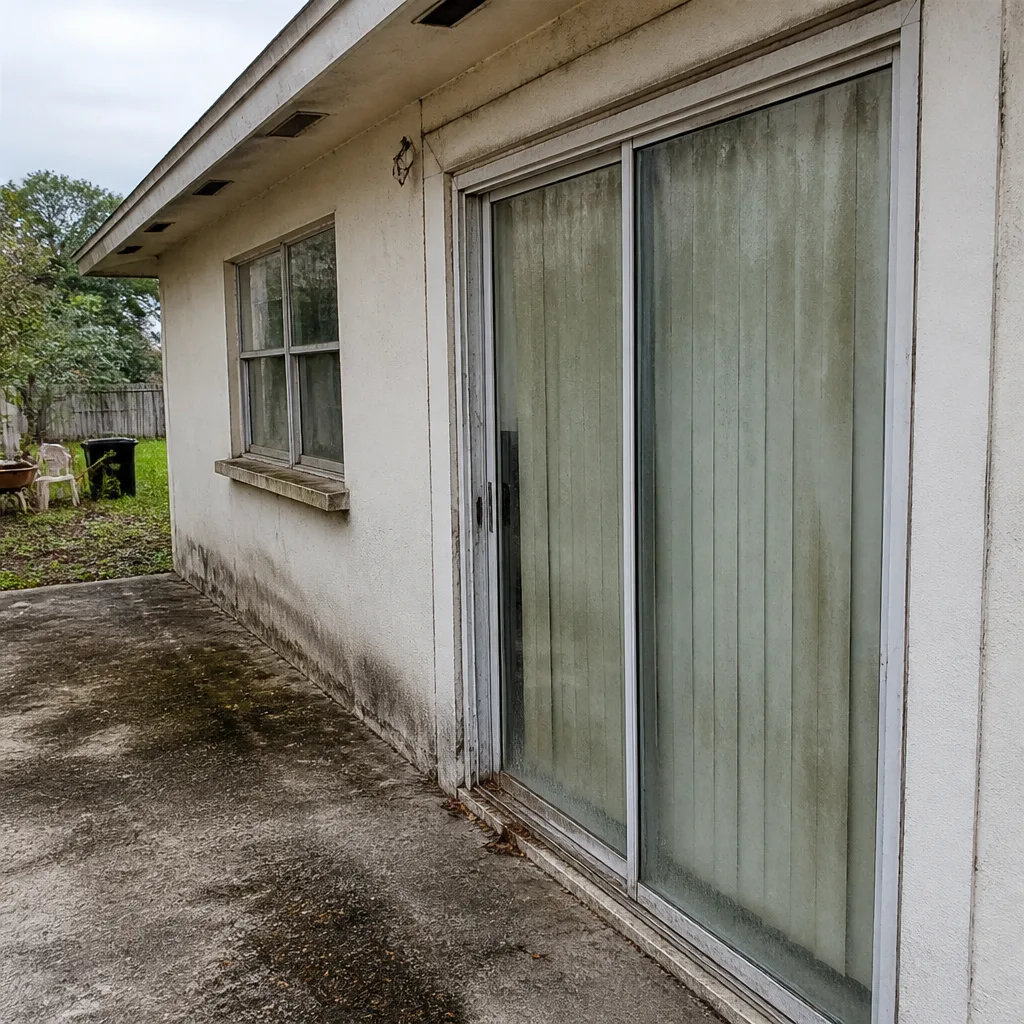 Before
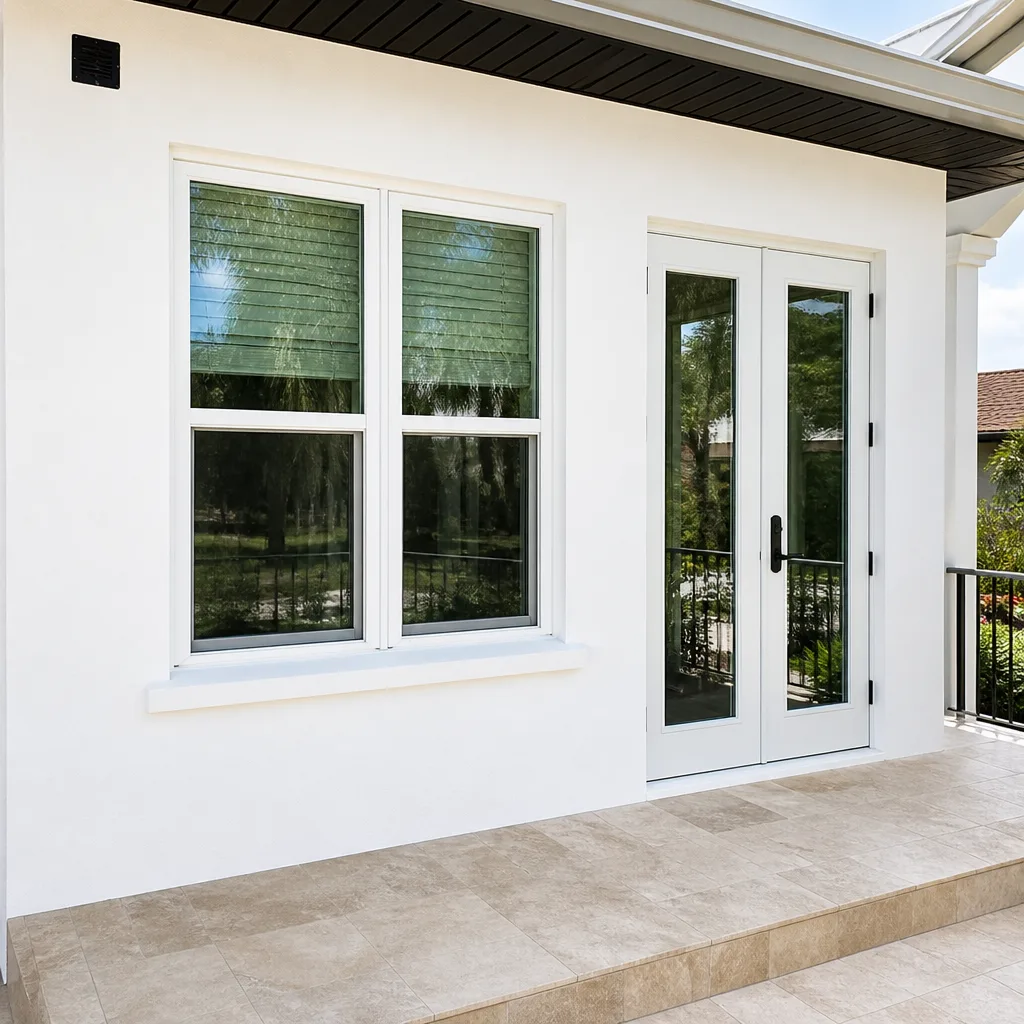 After
After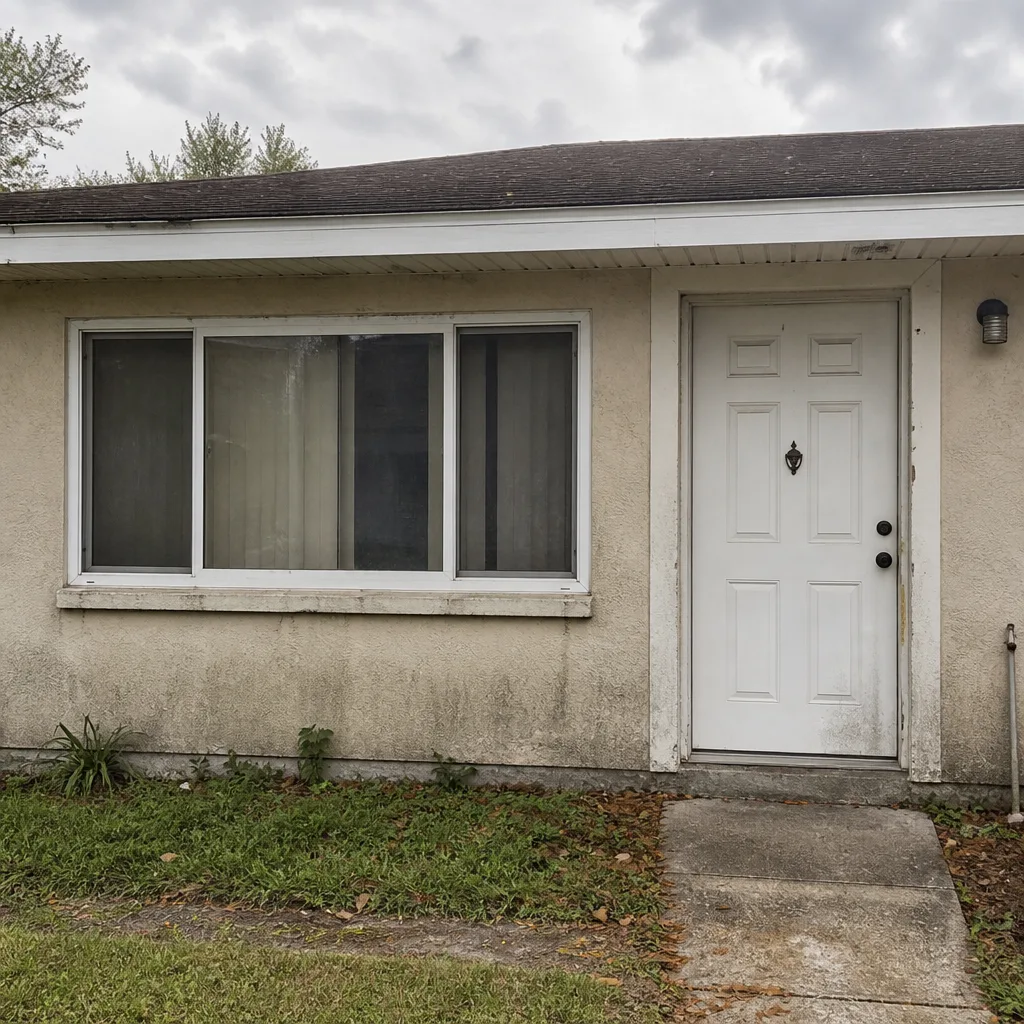 Before
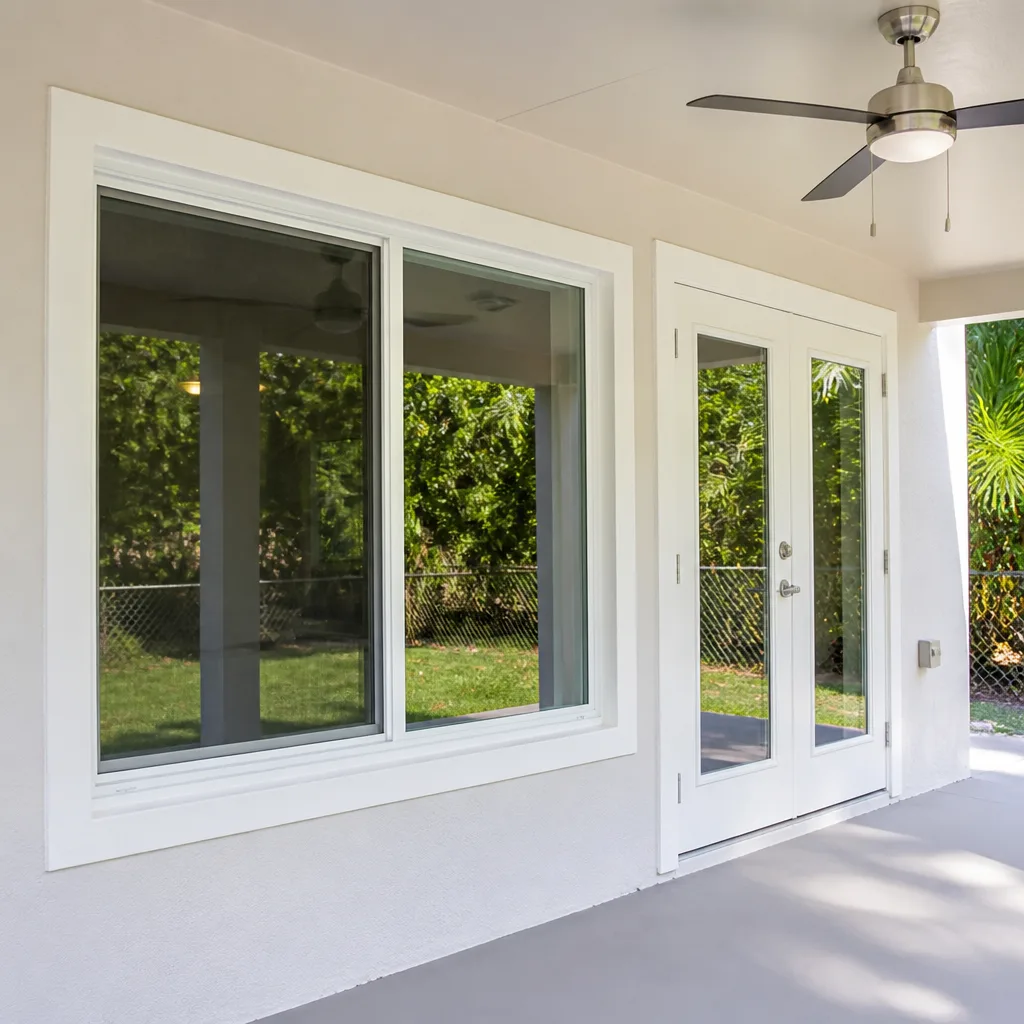 After
After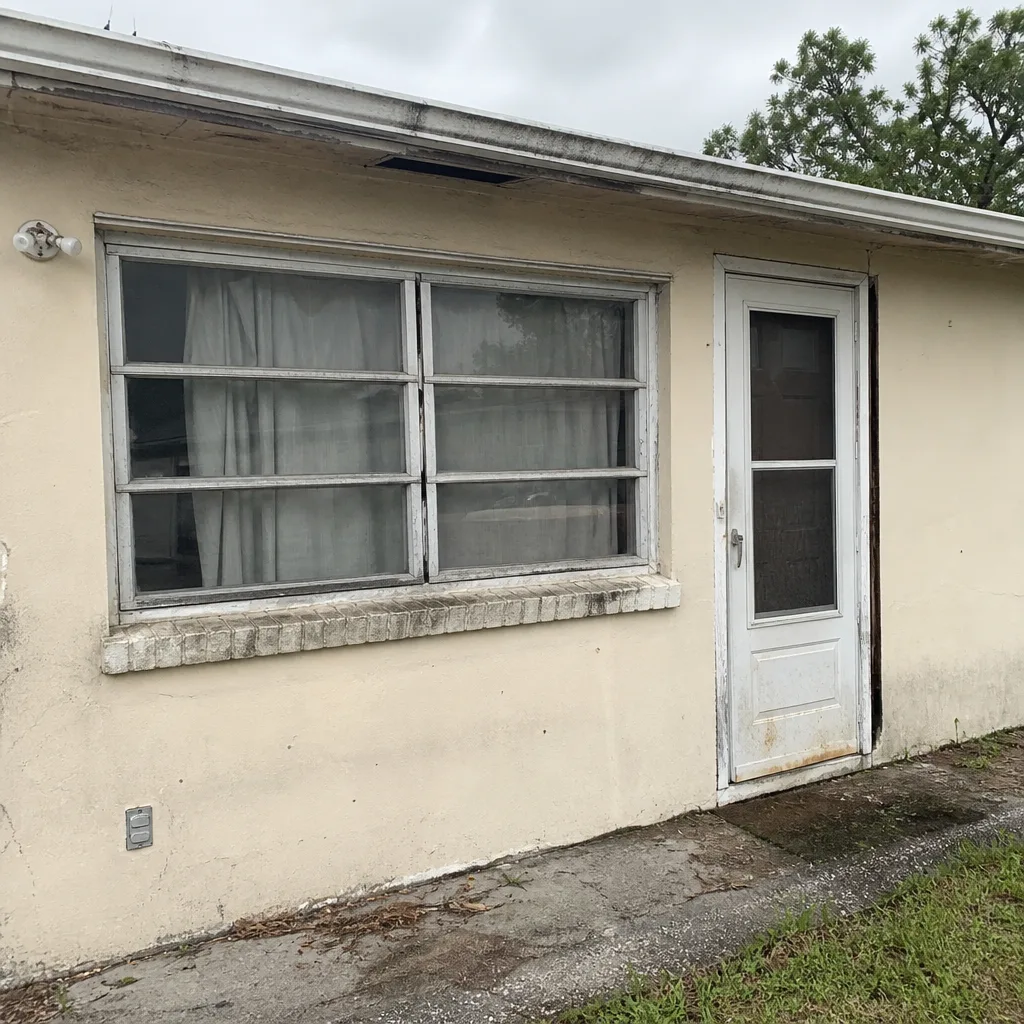 Before
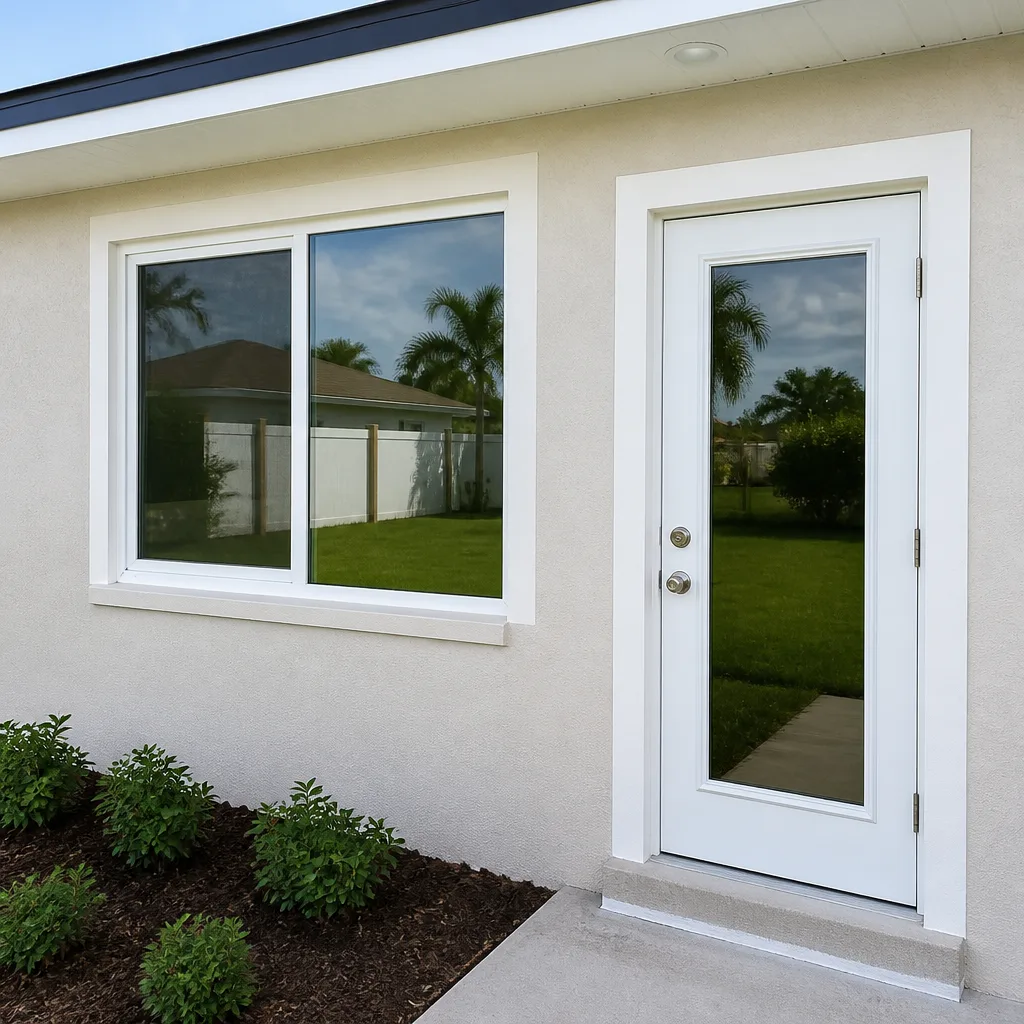 After
AfterWindows & Doors Warning Signs: A Westgate Homeowner’s Reference Guide
A door that sticks a little in summer gets chalked up to Florida humidity about nine times out of ten. In Westgate, that assumption is expensive. We’ve watched homeowners ignore a slightly resistant deadbolt or a window sash that needs a firmer push for eighteen months, only to discover the real problem was frame movement driven by our clay-heavy soil expanding and contracting through wet and dry seasons. This guide draws a clear line between warning signs you can monitor, signs that need scheduling within a few months, and signs that need a phone call this week. For a deeper dive, see our The Complete Guide to Windows & Doors in Westgate. By the end, you’ll know which symptoms are cosmetic, which are structural, and exactly when a Westgate home needs professional attention.
Quick Answer
The most common window and door warning signs in Westgate homes are: condensation trapped inside double-pane glass (seal failure), doors that stick or won’t latch only during certain seasons (often soil movement beneath the slab), visible daylight around door edges, sashes that suddenly resist sliding, and caulk that has pulled away from the frame with cracking behind it. Cosmetic issues can be monitored for months. Functional issues should be scheduled within 90 days. Anything involving frame movement, water intrusion, or compromised impact-rated hardware needs a professional this week.
Table of Contents
- The Three-Tier Warning Sign System
- Why Westgate Soil Makes Door Misalignment Different
- The Condensation Location Test
- Impact Window Hardware: What Lag and Creep Actually Mean
- Caulk Shrinkage vs. Sealant Failure at the Rough Opening
- Door-Specific Warning Signs You Should Not Ignore
- Common Mistakes to Avoid
- When to Call a Professional
- Frequently Asked Questions
The Three-Tier Warning Sign System
Not every crack, stick, or squeak deserves the same response. A hairline stress crack in a window frame corner is not the same as a door that has shifted enough to let rain blow under it. We use a simple three-tier system when we evaluate Westgate homes, and it works just as well for homeowners doing their own walkthrough.
Tier 1: Cosmetic (Monitor)
These are signs you should note and watch, but they do not require action this month or even this quarter. Cosmetic signs are surface-level. They affect appearance, not performance or safety.
- Hairline stress cracks at frame corners where two mitered pieces of vinyl or aluminum meet. If the crack is thinner than a credit card and does not widen over six months, it is a cosmetic surface crack from thermal expansion, not structural failure.
- Faded or chalky finish on painted wood frames. Westgate’s UV index accelerates paint breakdown, especially on west-facing windows. Repainting is a maintenance item, not a repair.
- Minor condensation on the interior glass surface that appears only on unusually humid mornings and clears by mid-day. This is a household humidity issue, not a window failure. We’ll cover the distinction in detail below.
- Slight screen sag or small tears in window screening. Cosmetic unless the screen is part of a security or impact-rated system.
None of these mean the window or door is failing. But they are worth a photo and a date stamp in your phone so you can compare in six months. If a Tier 1 sign becomes a Tier 2 sign, you’ll have the timeline documented.
Tier 2: Functional (Schedule Within 90 Days)
Functional signs mean something has changed in how the window or door performs. The unit still works, but it is working harder, sealing less effectively, or wearing unevenly. Left alone, Tier 2 signs become Tier 3 emergencies, usually at the worst possible time.
- A door that requires a shoulder push to fully close but only during certain months. In Westgate, this is often the first outward sign of seasonal soil movement. More on this below.
- A window sash that slides fine for the first six inches, then drags for the rest of the track. This indicates the frame has shifted slightly out of square. The window still operates, but the uneven wear will eventually damage the track, the rollers, or the balance system.
- Condensation forming inside the glass unit that does not wipe away from either side. This is seal failure. The insulating gas has escaped and moisture has entered. The window still functions as a barrier, but its energy performance is degrading and the glass will eventually cloud permanently.
- Weatherstripping that has compressed, torn, or pulled loose around a door or operable window. You may not see a gap yet, but the seal is compromised enough to raise your cooling bill and let insects in.
- Hardware that needs regular tightening. A handle that comes loose once is an installation adjustment. A handle that comes loose every six weeks is telling you the door slab is moving against the frame.
These are not panic items. But they are schedule items. Three months is enough runway to get an estimate, compare options, and schedule the work before a Tier 2 issue becomes a Tier 3 failure. Winslow Windows & Doors offers free estimates in Westgate, so there’s no cost to find out exactly what you’re dealing with.
Tier 3: Urgent (Call This Week)
Urgent signs mean the protective envelope of your home has been breached or is about to be. Water intrusion, security compromise, and structural movement fall into this tier. Do not wait for a convenient season.
- Visible daylight around a closed and locked exterior door. If you can see light, water can get in, air is getting out, and the door is not doing its job. This is an energy and security issue simultaneously.
- Water stains on interior drywall or flooring near any window or door opening. The leak may have been slow for months. By the time you see the stain, the rough opening is likely already affected.
- An impact-rated window with a cracked laminate layer or a shattered outer pane. Impact glass is designed to stay in the frame when broken, but a compromised unit has lost most of its structural integrity for the next storm.
- A door that suddenly will not latch at all, especially if the change happened within a few weeks. Sudden change means movement, not wear. Movement under a Westgate slab needs a professional assessment.
- Signs of termite activity or wood decay at any door threshold or window sill. The longer this goes, the larger the structural repair becomes.
If you are unsure which tier a sign falls into, take photos and call a professional who can evaluate it in person. Not sure who to trust? Read How to Hire a Windows & Doors Contractor in Westgate: A Step-by-Step Guide first. The consultation is free, and knowing is always cheaper than guessing wrong. We also offer a free second opinion on any written estimate, so even if another company has already looked at it, you can get a straight answer without paying for it.
Why Westgate Soil Makes Door Misalignment Different
In most of the country, a door that sticks in summer is a humidity problem. The wood swells, the door rubs against the jamb, and the fix is a plane or a new door slab. In Westgate, the same symptom often has a completely different cause, and treating it as a humidity problem lets the real issue worsen for years.
Westgate sits on a mix of sandy topsoil and clay-heavy subsoil. Clay expands when it absorbs water and contracts when it dries. Florida’s wet season dumps months of rain into that soil, then the dry season pulls it back out. The result is a foundation slab that moves measurably through the year, even on well-built homes. Door openings are the first place that movement shows up because doors have the tightest tolerances in the house. A 1/8-inch shift in a wall is invisible in drywall but turns a smooth-swinging door into one that catches on the strike plate.
Here is the distinction that matters: a door that sticks in the wet season may be a humidity issue. A door that sticks in the dry season, when wood should be at its driest and smallest, is nearly always frame or foundation movement. A door that sticks year-round is a structural issue that has stopped cycling and settled into a permanent shift.
We have also seen doors in Westgate that open smoothly all winter, then bind at the top corner every August. That is the clay beneath the slab expanding under the hinge-side of the door opening. The fix is not shaving the door down. The fix is correcting the frame alignment and, in some cases, addressing the drainage or moisture load around the foundation perimeter that is causing the uneven expansion in the first place.
If your door behavior follows a seasonal pattern, start a simple log. Note the month, whether the door sticks at the top, bottom, or latch side, and whether it happens in wet or dry conditions. Three data points across two seasons will tell a professional more than a single observation ever will.
The Condensation Location Test
Condensation on a window is either a glass unit problem or a household humidity problem. The test takes ten seconds and tells you which.
- Wipe the moisture with your finger. If the moisture is on the room-side surface of the glass and your finger wipes it away, that is interior condensation. The window is doing its job. Your indoor humidity is simply too high for the current outdoor temperature.
- If the moisture is inside the glass unit, between the two panes, your finger cannot reach it. That is seal failure. The desiccant inside the spacer has been overwhelmed, the argon or krypton gas has escaped, and the unit’s insulating performance is gone.
- Check the edges of the glass. Early seal failure often appears as a foggy halo or water droplets clustered near the bottom corners of the glass unit, not spread across the center.
Interior condensation is a ventilation and humidity problem. Common causes in Westgate include running the AC at very low temperatures while outdoor humidity stays high, showering without a functioning exhaust fan, or a crawlspace or attic moisture issue that is feeding humid air into the living space. The fix may be as simple as adjusting your thermostat settings or adding a dehumidifier.
Seal failure is a glass unit problem. The fix is replacing the insulated glass unit, sometimes called an IGU. On standard windows, this is a straightforward glass replacement. On impact windows, it is a more involved process because the laminate has to match the original product specifications to preserve the impact rating. This is one reason we recommend staying with the original brand and installer when possible. We install Impact Windows in Westgate from PGT, CGI, CWS, and matching the replacement glass to the original frame system is a routine part of that work.
One more Westgate-specific note: homes closer to the coast or any body of water experience higher ambient salt and moisture loads. Seal failure in these homes tends to advance faster once it starts because the humid exterior air is drawn into the failing unit more aggressively. If you are within a few miles of the water and notice internal fogging, treat it as a Tier 2 sign that warrants scheduling sooner rather than later.
Impact Window Hardware: What Lag and Creep Actually Mean
Impact windows are different from standard windows in one important way: the frame and hardware are engineered to hold the glass in place when a storm drives debris into it. That means the frame is doing structural work every single day, not just during hurricanes. When the hardware on an impact window starts to feel different, it is usually not the hardware wearing out. It is the frame moving and transferring stress into the hardware.
Here are the specific hardware warning signs we’ve learned to recognize on Westgate homes, and what each one actually indicates:
Sash Resistance Changes
An impact window sash should slide with consistent resistance across its full travel. If the sash glides easily for part of its track and binds in one section, the frame has shifted out of square and is pinching the rollers or guides. Shaving the sash to fit is the wrong fix, especially on impact-rated units. You are removing material that contributes to the window’s structural performance during a blow-in event.
Handle Torque Creep
The crank or handle on a properly installed impact window takes roughly the same amount of force to operate every time. If you notice yourself gripping harder or using two fingers where one used to do it, something is changing. On casement and awning windows, increasing handle torque usually means the hinge mechanism is carrying side load from a frame that has moved. On non-impact windows, you might get away with ignoring this for a while. On impact windows, a binding hinge under storm load is a failure point.
Locking Mechanism Creep
When the lock points on an impact window no longer align cleanly with their keepers, the frame has moved, not the lock. Forcing the lock shut every day gradually bends the lock point or enlarges the keeper slot. It still locks, until one day it does not, and you discover that the frame has shifted enough that the lock point misses entirely. In a storm, an impact window that is not fully locked loses a significant portion of its pressure rating.
One thing we tell every Westgate homeowner with impact windows: the hardware is a diagnostic tool. When it starts complaining, the frame is telling you something. Ignoring the complaint does not make the frame stop moving. It just means the eventual repair is larger.
Caulk Shrinkage vs. Sealant Failure at the Rough Opening
Every exterior window and door has a sealant line where the frame meets the wall. This line is your first defense against water getting into the rough opening. Over time, that sealant changes. Knowing whether you are looking at normal aging or actual failure determines whether you need a caulk gun or a contractor.
What Normal Caulk Shrinkage Looks Like
- The sealant pulls away from the frame or wall in a uniform, even line, usually less than 1/16 inch.
- The sealant remains pliable, not brittle. If you press it with a fingernail, it flexes.
- The gap is consistent the entire length of the joint, with no dark staining or streaking below it.
- There is no sign of moisture damage on the interior wall around the window or door.
Normal shrinkage happens. In Westgate’s heat, most exterior caulks and sealants need replacement every 7 to 12 years depending on sun exposure. The fix is a fresh sealant application. It is a maintenance job, not a repair.
What Actual Sealant Failure Looks Like
- The sealant is cracked through, not just pulled away. You can see fractures running through the bead.
- The sealant has separated from the frame in irregular sections, with some areas still bonded and others fully released.
- There is dark staining, streaking, or efflorescence running down from the joint. This means water has been traveling through the gap.
- The interior drywall or baseboard below the opening shows discoloration, bubbling, or soft spots.
- The sealant bead is brittle and weeps moisture when you press it during humid weather.
If any of these are present, the rough opening may already be compromised. The correct repair involves removing the old sealant, inspecting the rough opening for moisture damage, addressing any rot or corrosion found, and resealing with the correct product for the frame and wall materials. This is not a caulk gun job. This is a call-to-a-contractor job.
Westgate’s intense summer sun accelerates sealant degradation, particularly on southern and western exposures. Homes with these exposures should have their window and door sealants inspected more frequently than homes facing north or east. It costs nothing to look. The Window Installation in Westgate team at Winslow includes sealant inspection as a standard part of every estimate, so if we’re already at your home for one opening, we’ll look at the others.
Door-Specific Warning Signs You Should Not Ignore
Doors are the most-used components in any Westgate home. They get opened and closed thousands of times per year, every year. That constant cycling means wear shows up at doors faster than anywhere else, and it also means a door that is slowly going wrong is easier to feel than a window that is slowly going wrong.
Entry Doors
The front door is your home’s handshake, but it is also a load-bearing part of the wall. Entry door warning signs in Westgate homes cluster into a few patterns:
- The door swings open or closed on its own when unlatched. A door that drifts means the hinges are out of plumb. This happens when the wall or floor has shifted. The fix is re-shimming the hinges to re-hang the slab, not replacing the door.
- The deadbolt requires lifting the handle or pressing the door to engage. The strike plate and the bolt are out of alignment. Over time, this wears the bolt and the plate. Eventually, the door will not lock at all, usually the same week you notice it for the first time.
- The gap between the door and frame is wider at the top than the bottom, or vice versa. This is a visual confirmation of frame movement. Measure the gap in four places. If the difference between the widest and narrowest point is more than 1/8 inch, the frame has shifted.
Sliding Glass and Patio Doors
Sliding doors are extremely common in Westgate homes because they open to pools, lanais, and backyards. They are also the most likely place for a rolling track to collect debris, wear unevenly, and eventually refuse to move.
- The door rolls easily at both ends but drags in the middle of its track. The header has likely settled, creating a low point in the center. The rollers are grinding against the track in that section. The longer this continues, the more the track deforms, and track replacement on an impact-rated sliding door is expensive.
- The door does not sit flush against the weatherstripping when closed. Air and moisture are getting past the seal. Check this by closing the door and running your hand along the inside edge. If you feel airflow, the door needs adjustment or the track needs realignment.
- The handle or lock now requires lateral force to engage. The door panel has moved relative to the stationary panel or the frame. This is the sliding-door version of deadbolt creep.
If the door is an impact-rated unit, which many Westgate homes have installed since the 2000s, all of these issues are worth addressing sooner. An impact sliding door that cannot close and lock properly is an opening in your storm envelope, and South Florida has a way of testing that envelope when you least expect it. Therma-Tru entry doors and PGT impact sliders are two of the product lines we install most often across Westgate, and both have very specific alignment tolerances that matter.
Why These Warning Signs Matter More in Westgate Specifically
Westgate is not a generic Florida suburb. The combination of soil conditions, storm exposure, and building stock age creates a warning-sign profile that differs from what you might read on a national home-improvement website. For more guides & resources written specifically for Westgate homes, explore our blog.
First, Westgate’s housing stock includes a significant number of homes built between the 1970s and 1990s, many of which have original or second-generation windows and doors. Those units are now 30 to 50 years old. Materials that were perfectly serviceable in 1985 are at the end of their useful service life in 2025. The failure mode is rarely dramatic. It shows up as a slow increase in energy bills, a window that fogs each December, a patio door that takes more effort every year.
Second, Westgate sits in a wind-borne debris region. Building codes here require impact-rated products or shutters on new construction and major remodels. Many homes have a mix: impact glass on some openings, shutters on others, and original non-impact windows in less visible areas. Knowing which openings are protected and which are not matters when a warning sign appears. A crack in a non-impact single-pane window is a different risk than a crack in a PGT impact unit.
Third, the local hardware and frame materials have to handle salt, humidity, UV, and temperature swings. Powder-coated aluminum, vinyl, and treated wood all respond differently. A vinyl window that performs beautifully in Arizona may warp or fade faster in Westgate. This is why we recommend brands that have proven Florida performance. PGT, CGI, and CWS all design specifically for the South Florida climate has become a popular choice for homeowners who want impact performance with a more modern sightline. We install all four.
Finally, insurance. More Westgate homeowners are discovering that their insurer wants documentation of window and door condition. A home with aging, non-impact windows and doors may face higher premiums or non-renewal. A documented replacement with impact-rated products from an authorized installer can lower premiums. Warning signs treated early keep you ahead of that conversation instead of behind it.
This is also where the Window Replacement in Westgate decision intersects with warning signs. If you are seeing multiple Tier 2 signs on windows that are 20 years old or more, replacement may cost less in the long run than chasing individual repairs. We can walk through that math with you in plain numbers, upfront, so you can decide with the full picture.
Common Mistakes to Avoid
- Chalking up a sticking door to “just humidity” without checking the seasonal pattern. In Westgate, a door that sticks during the dry season is commonly a foundation or frame movement issue. Humidity is the easy answer, but it is often the wrong one.
- Forcing a lock, latch, or crank instead of addressing the underlying misalignment. Every forced operation bends hardware a little more. The hardware eventually fails, and you still have the misalignment.
- Treating interior condensation with window replacement before addressing household humidity. If the moisture is on the interior surface of the glass, new windows will not fix it. You will have spent thousands on a humidity problem.
- Using silicone caulk over old, failing sealant without removing the old bead. New caulk over failed caulk looks fine for a few months, then both layers peel. The moisture path remains open underneath.
- Assuming impact windows never need hardware service. The frame and hardware on impact units work harder than standard windows. They are engineered for it, but they still need attention when they show signs of stress.
- Waiting until a window completely fails before getting an estimate. A window that is still functioning but degrading can often be repaired or replaced at a lower cost than one that has failed outright. Estimates are free. Waiting is not.
- Signing a contract without confirming the installer is authorized for the specific brand. Impact window warranties depend on proper installation by trained installers. An unauthorized installer can void the warranty without you knowing it until you need it.
When to Call a Professional
Some warning signs are informative. Some are actionable. The difference is whether you have the training and equipment to make the assessment safely and correctly. Exterior window and door work often involves heights, heavy glass units, and structural openings. Impact-rated products add another layer of complexity because the installation directly affects storm performance.
Call a professional if you see daylight around a closed door, if you have interior water staining near any opening, if you have condensation inside a glass unit, or if hardware on an impact window has changed noticeably in how it feels. These are the signs that indicate something more than simple wear. At Winslow Windows & Doors, we offer free estimates in Westgate. Call (561) 468-6136 and a real person will answer, 24 hours a day, 7 days a week. We’ll schedule a visit, look at the windows and doors, and tell you honestly whether you need a repair, a replacement, or no action at all. No pressure, no games, just a straight assessment and a written line-item quote if work is needed.
If you already have a written estimate from another company, bring it to us. We offer a free second opinion on any written estimate, and we’ll walk through it with you line by line. Ed Winslow is a Westgate neighbor, and Ed’s name is on the door, and on every job we do.
Frequently Asked Questions
Replacing the insulated glass unit in a standard window typically runs $150 to $350 per unit depending on size and glass package. Impact-rated glass units run higher, often $400 to $900 per unit, because the laminate must match the original impact certification standards. Call (561) 468-6136 for an exact quote on your specific windows. Estimates are free.
Yes. Westgate sits on clay-heavy soil that expands when saturated and contracts when dry. This movement pushes and pulls on foundation slabs, and door frames are the first place the movement becomes visible. A door that sticks during the dry season or sticks year-round deserves a professional assessment, not a plane and some sandpaper.
Properly installed impact windows from brands like PGT, CGI, CWS typically last 25 to 35 years in the Westgate climate. The glass may last longer, but the frames, sealants, and hardware have a service life. Regular inspection and prompt attention to minor issues extend the useful life and preserve the impact rating.
Morning fogging that clears during the day is usually interior condensation, not seal failure. You can confirm with the wipe test: if the moisture wipes away from the room-side surface, it is a humidity issue, not a glass problem. Adjusting your AC settings or adding a dehumidifier often resolves it.
No. Estimates are free, and there is no trip charge inside our home county. We also offer a free second opinion on any written estimate you have received from another company. Call (561) 468-6136 and a live person will answer, any hour of any day.
Water staining means water has found a path through the opening. Do not wait. The rough opening may be retaining moisture and starting to deteriorate. Take photos, note when the staining appeared, and call a professional for an inspection. The repair cost increases the longer moisture has been active inside the wall.
Common Questions About Westgate-Specific Conditions
Do homes in Westgate need different windows than homes inland?
Yes. Westgate is in a wind-borne debris region, which means building codes require either impact-rated windows or tested shutter systems on any new openings. Impact windows also perform differently here due to the combined effects of UV exposure, salt, and humidity. Products from PGT, CGI, CWS are specifically designed and tested for the South Florida environment. The Winslow Windows & Doors home page has more detail on what we install and why.
Does Winslow Windows & Doors offer discounts for seniors and veterans in Westgate?
Yes. We offer a permanent 10% discount for seniors and veterans on every job, every day. It is not a promotion. It is a standing commitment. We also offer $40 off any repair over $200, no trip charge inside our home county, and free second opinions on written estimates. These offers never expire.
How to Do a Seasonal Window and Door Walkthrough
A simple walkthrough twice a year catches most warning signs before they turn into repair bills. Here is the process we recommend to every Westgate homeowner:
- Start outside at each window and door. Look at the sealant lines. Are they uniform or cracked? Press the sealant with your thumbnail. It should flex, not crumble. Look for staining below the joint.
- Open and close every operable window. Feel for changes in resistance. Listen for grinding or scraping. Note where the resistance changes, because the location tells you which part of the frame has moved.
- Test every lock and latch. Engage and release each one three times. If it takes more force than you remember, or if it needs the handle lifted or the panel pushed to engage, write it down.
- Close every door and look for daylight. Stand inside with the door closed and the lights off. Look around the perimeter. Any daylight means the seal is compromised.
- Check every window for condensation inside the glass. Use the wipe test on any fogging you see. Determine whether the moisture is interior surface condensation or inside the unit.
- Check interior walls and floors around every opening. Look for new discoloration, soft spots, or bubbling paint. These are water intrusion signals.
- Log what you find. Date the notes. Compare them to your last walkthrough. Changes over time tell you more than a single observation.
If you find anything in the Tier 2 or Tier 3 categories during a walkthrough, call us. The walkthrough is free to do, and our estimates are free as well. It is the cheapest early warning system you will ever have.
The Bottom Line
Most window and door failures in Westgate do not happen without warning. They happen after months or years of warning signs that were noticed but not understood. The difference between a $200 repair and a $2,000 repair is almost always the amount of time between first notice and action. Learn the three-tier system. Learn the condensation test. Watch your impact window hardware for changes in feel, not just visible damage. And if you are ever unsure, get a professional opinion while the sign is still early. A free estimate from Winslow Windows & Doors costs you nothing. Ignoring a warning sign costs more every week you wait. Call (561) 468-6136 and talk to a real person. We are the one down the road.
Written by Ed Winslow, Owner at Winslow Windows & Doors, serving Westgate since 2011.
Six Reasons Homeowners Choose Winslow Windows & Doors
Impact systems engineered to design pressures up to +/-100, matched to your wind zone - your openings hold when the storm arrives.
Low-E insulated impact glass from our manufacturer lines commonly cuts monthly cooling bills 20-30%.
Laminated impact glass shuts out up to 40% of outside noise - traffic, neighbors, weather.
Monitoring services run $30-90 a month. Laminated impact glass resists forced entry around the clock, with no subscription.
Florida homeowners average around 25% savings on the windstorm portion of their policy after protecting every opening - some homes qualify for more.
A full impact package upgrades curb appeal, buyer confidence and appraised value in one project.