
Last updated August 27, 2026
Free in-home measure and quote - PGT, CGI and CWS impact lines compared on your actual openings, style by style
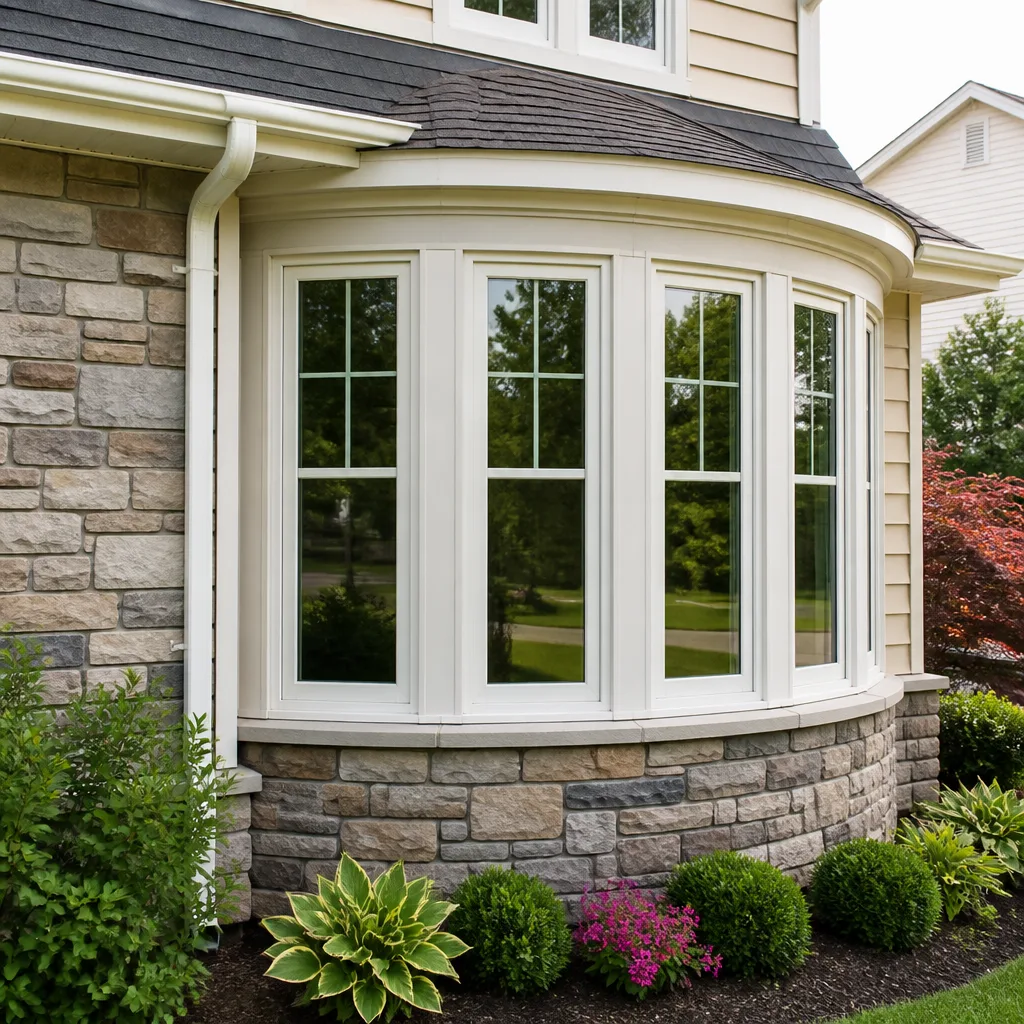
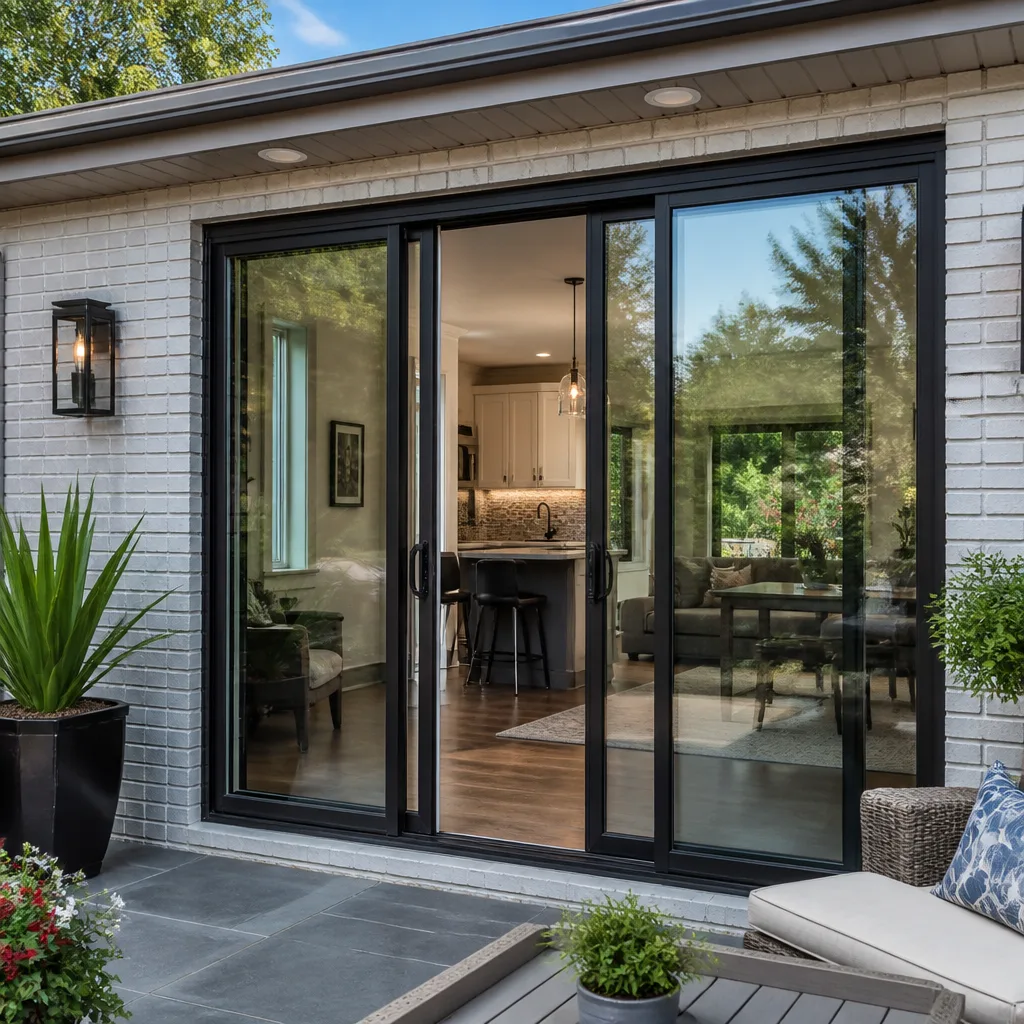
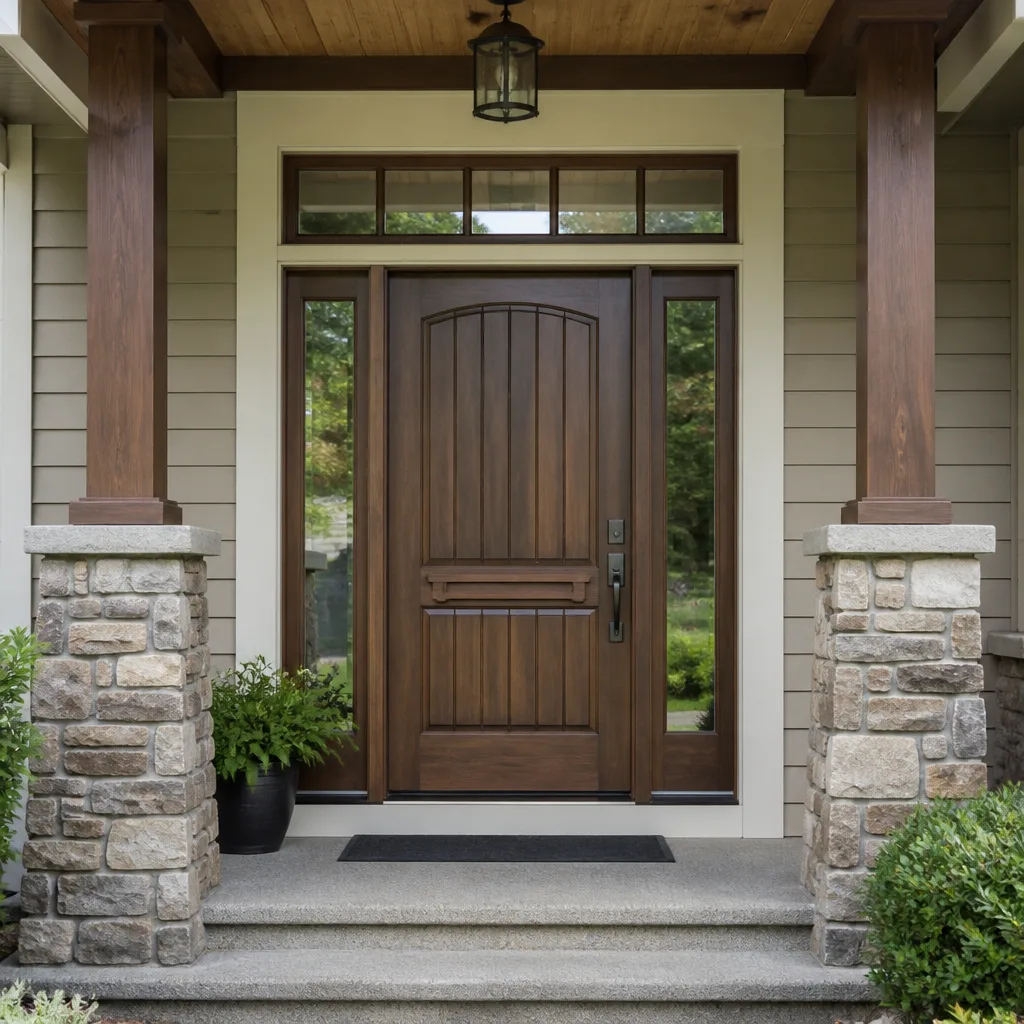
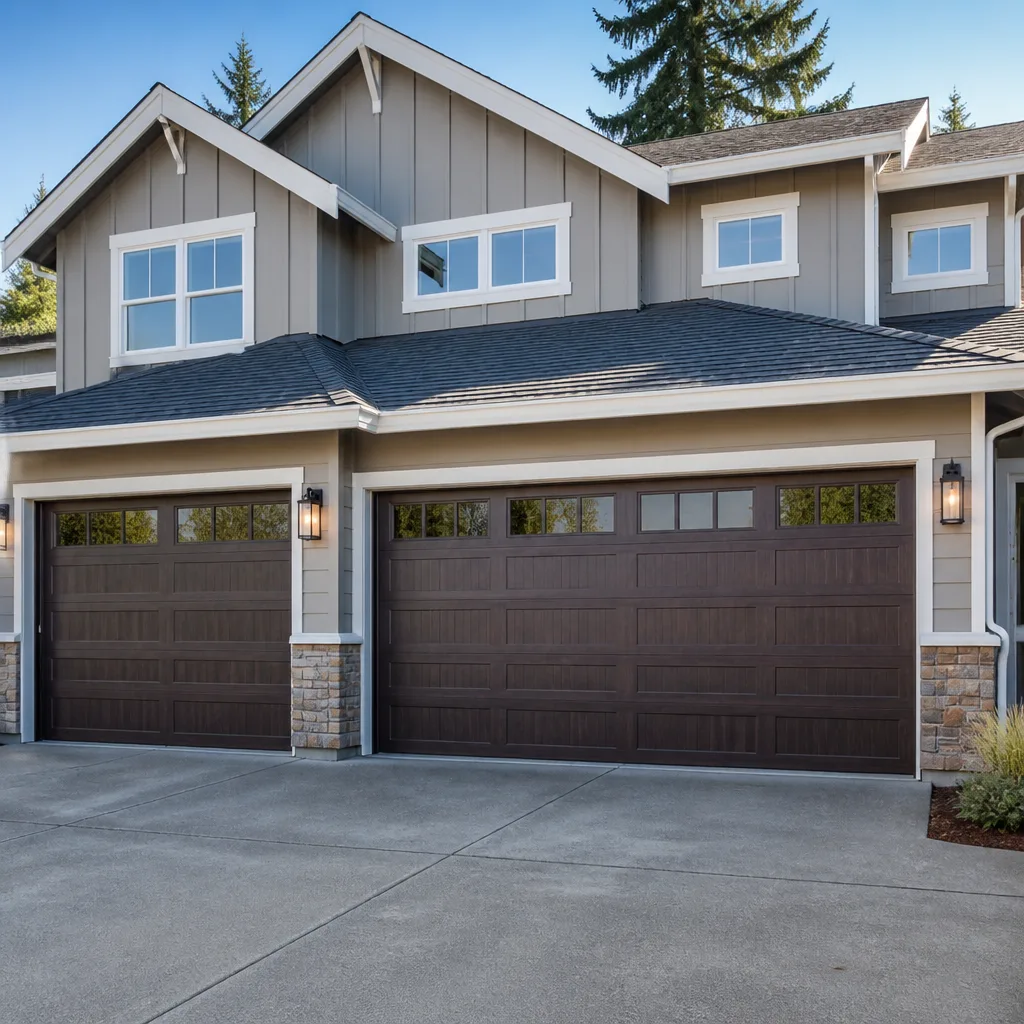
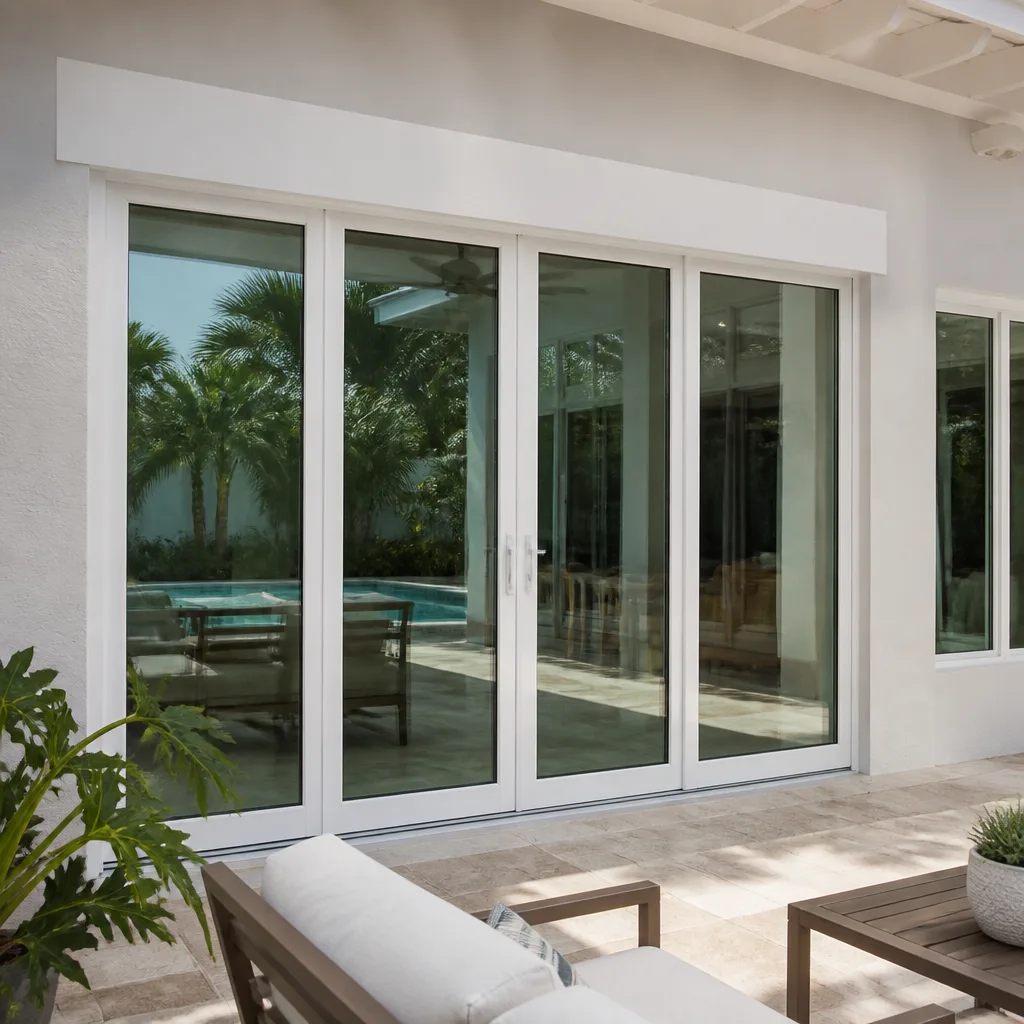
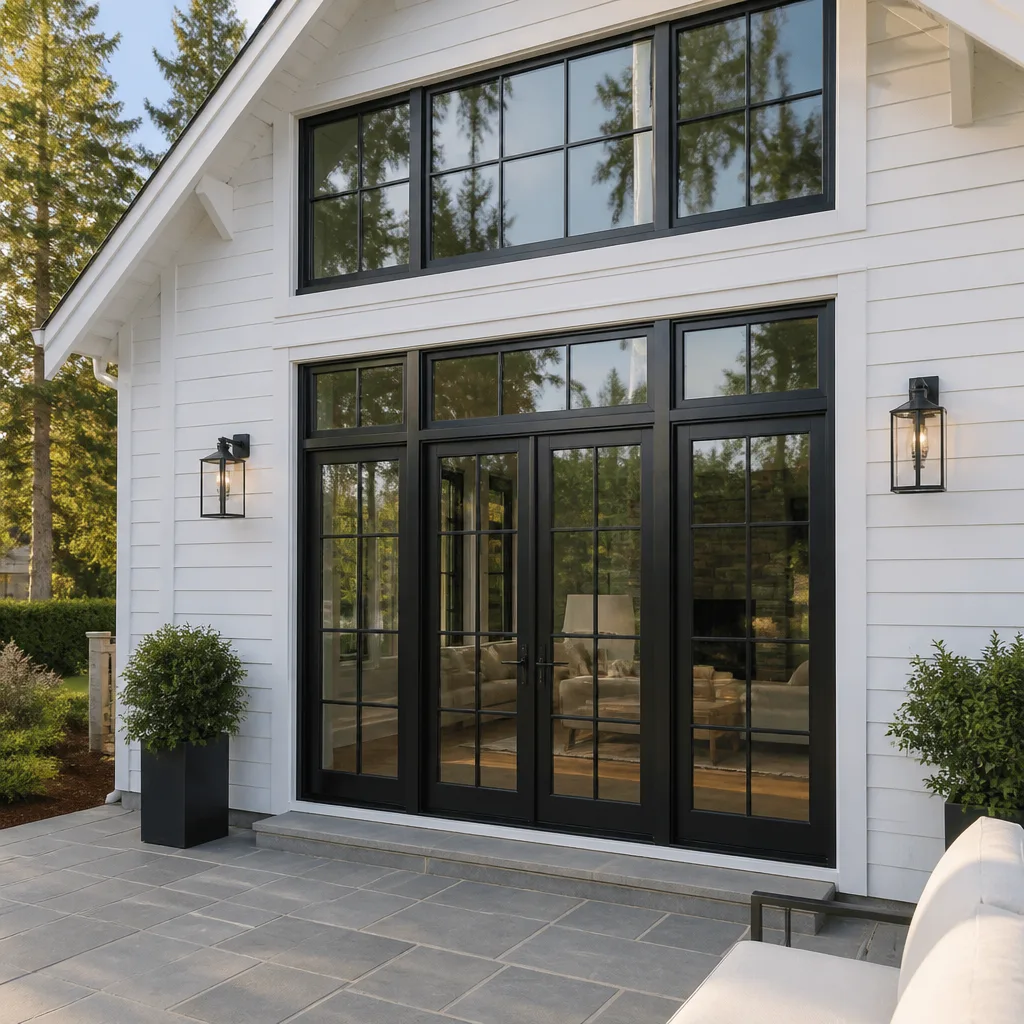
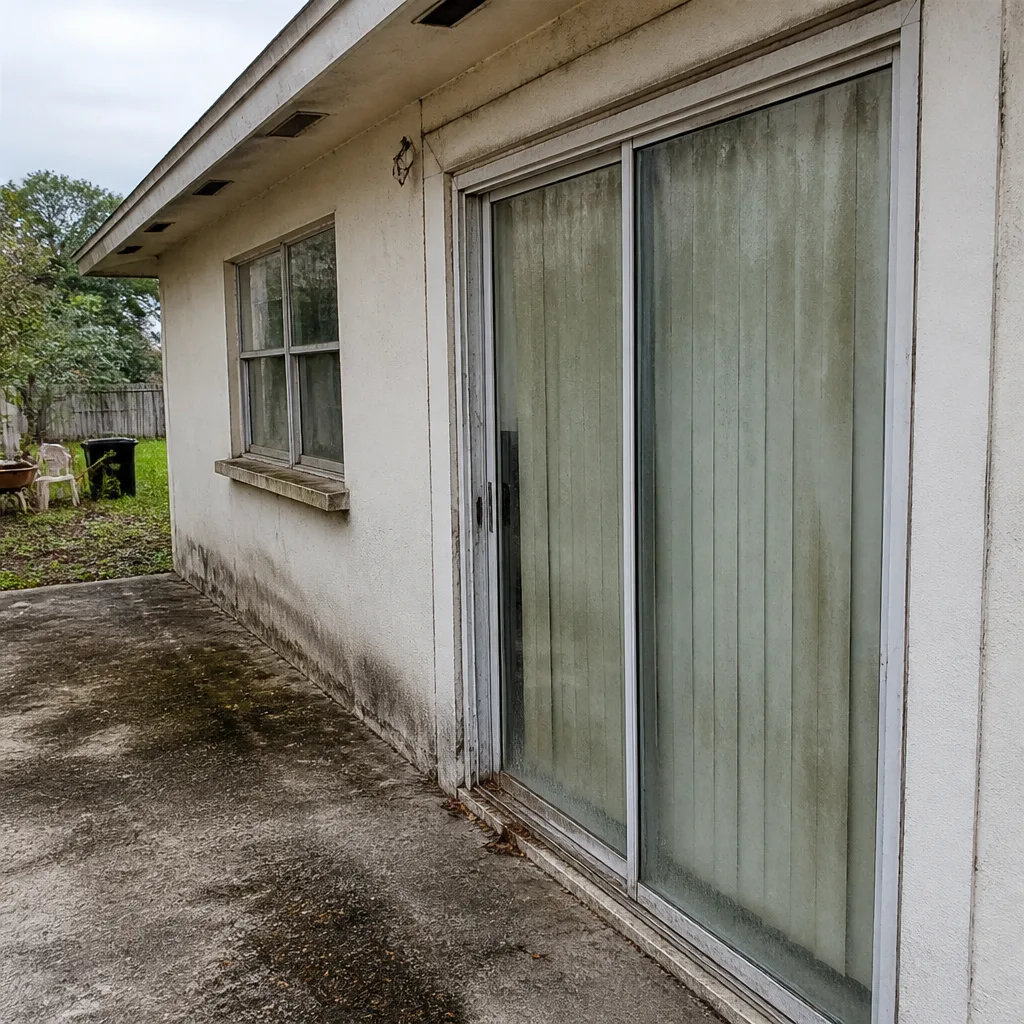 Before
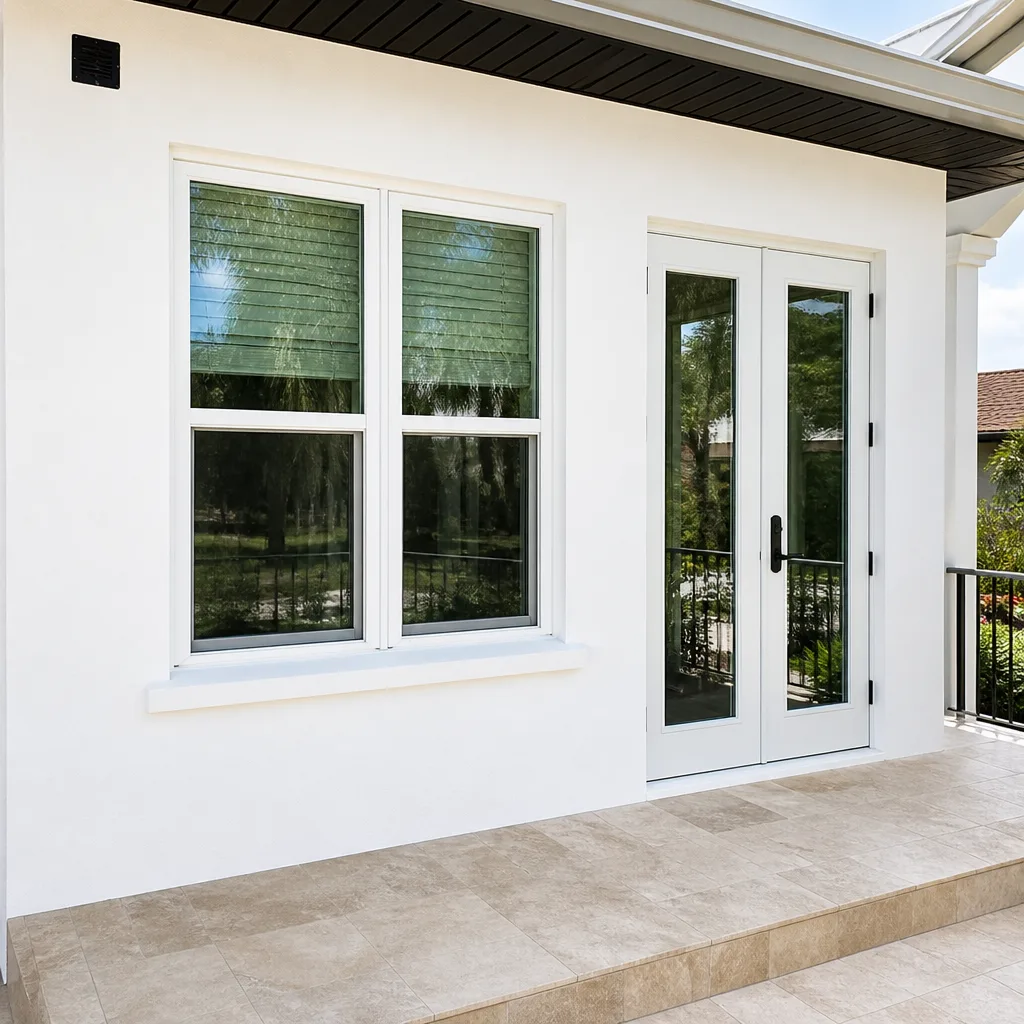 After
After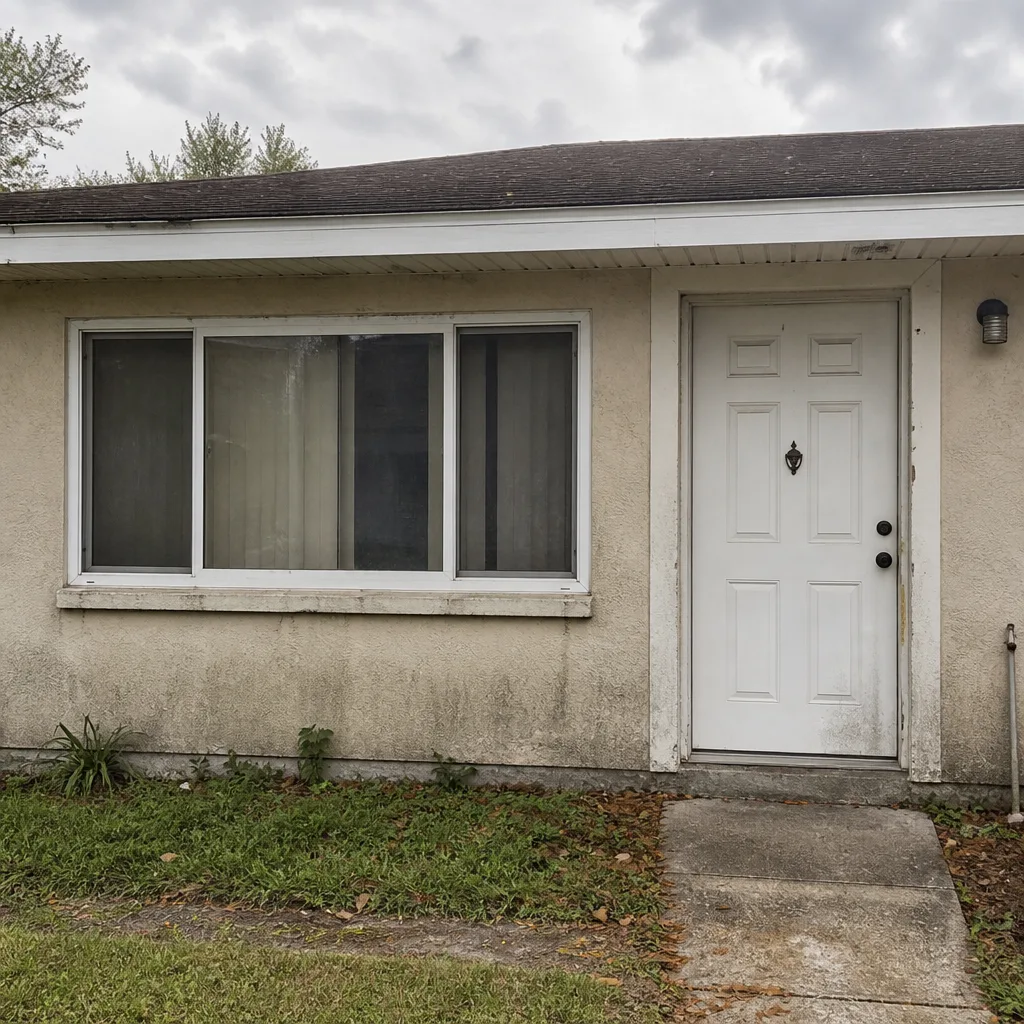 Before
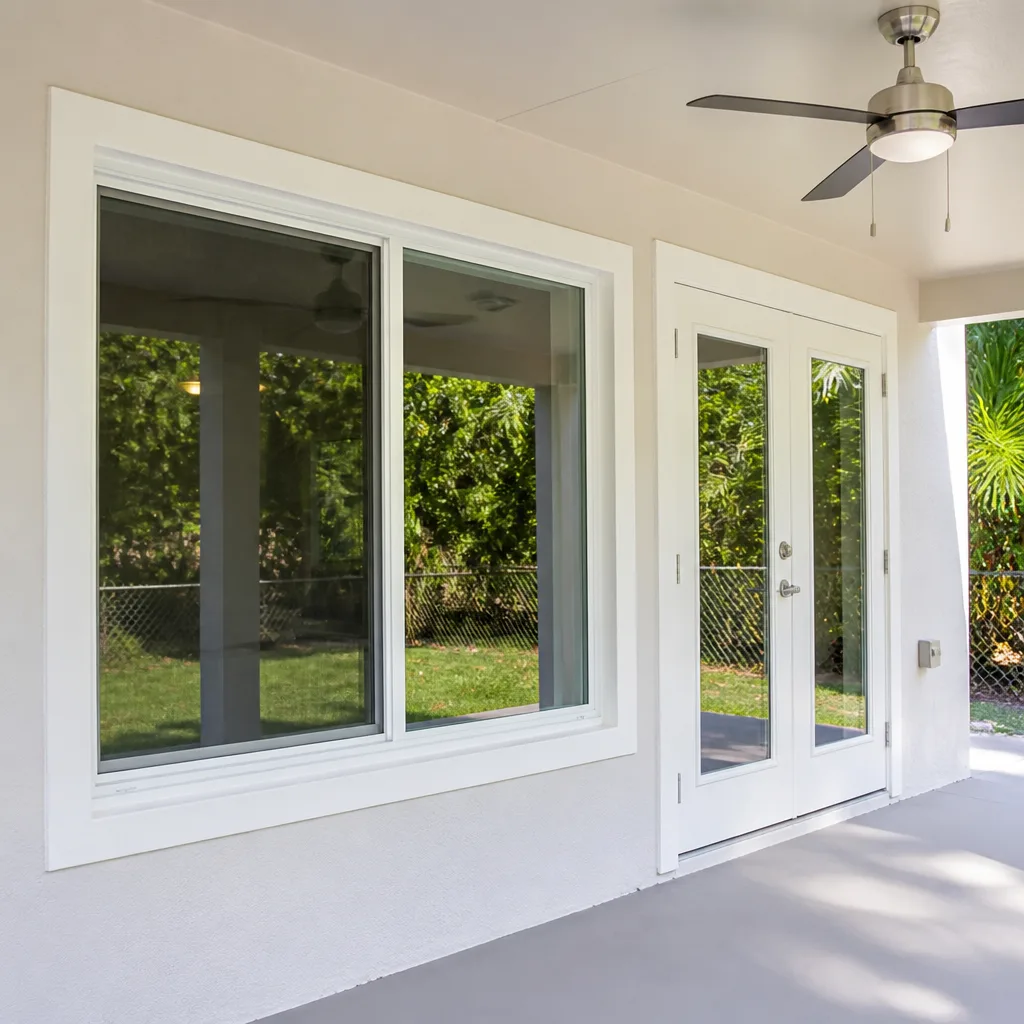 After
After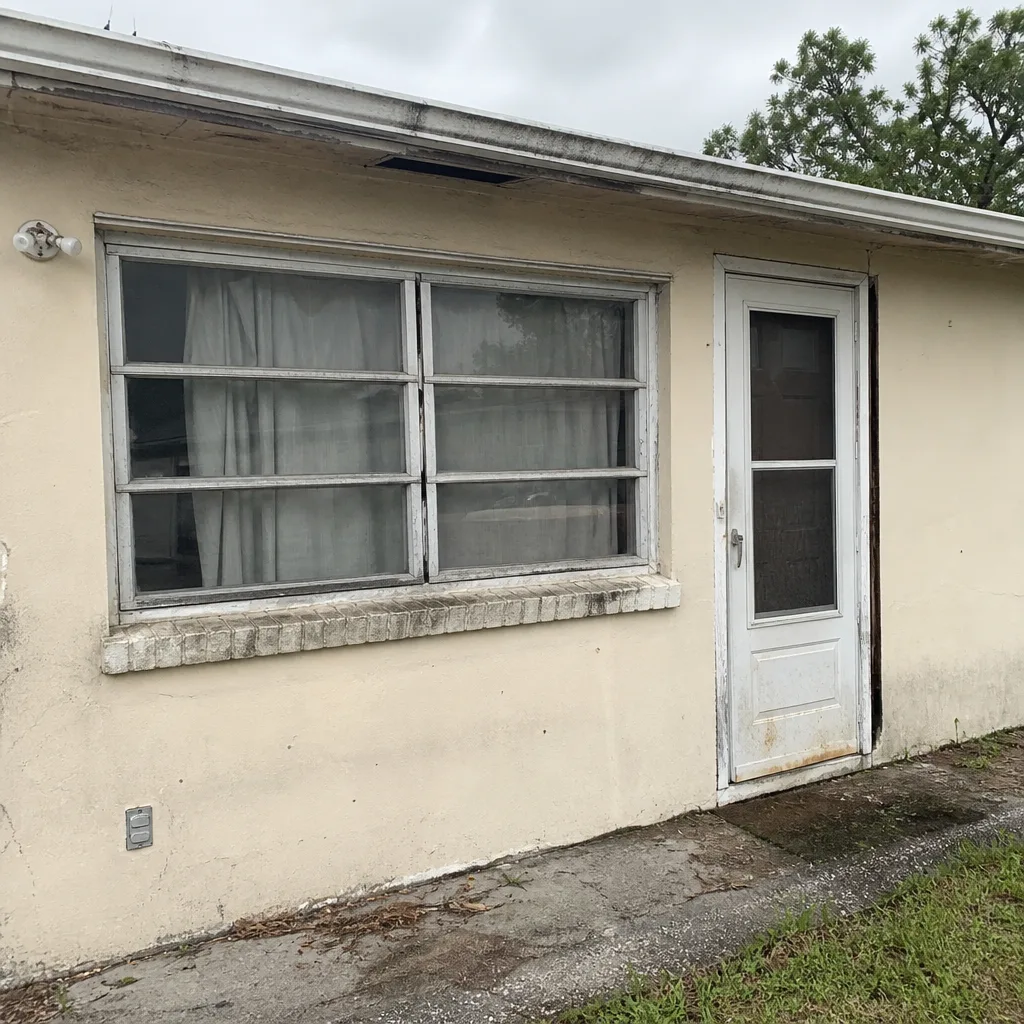 Before
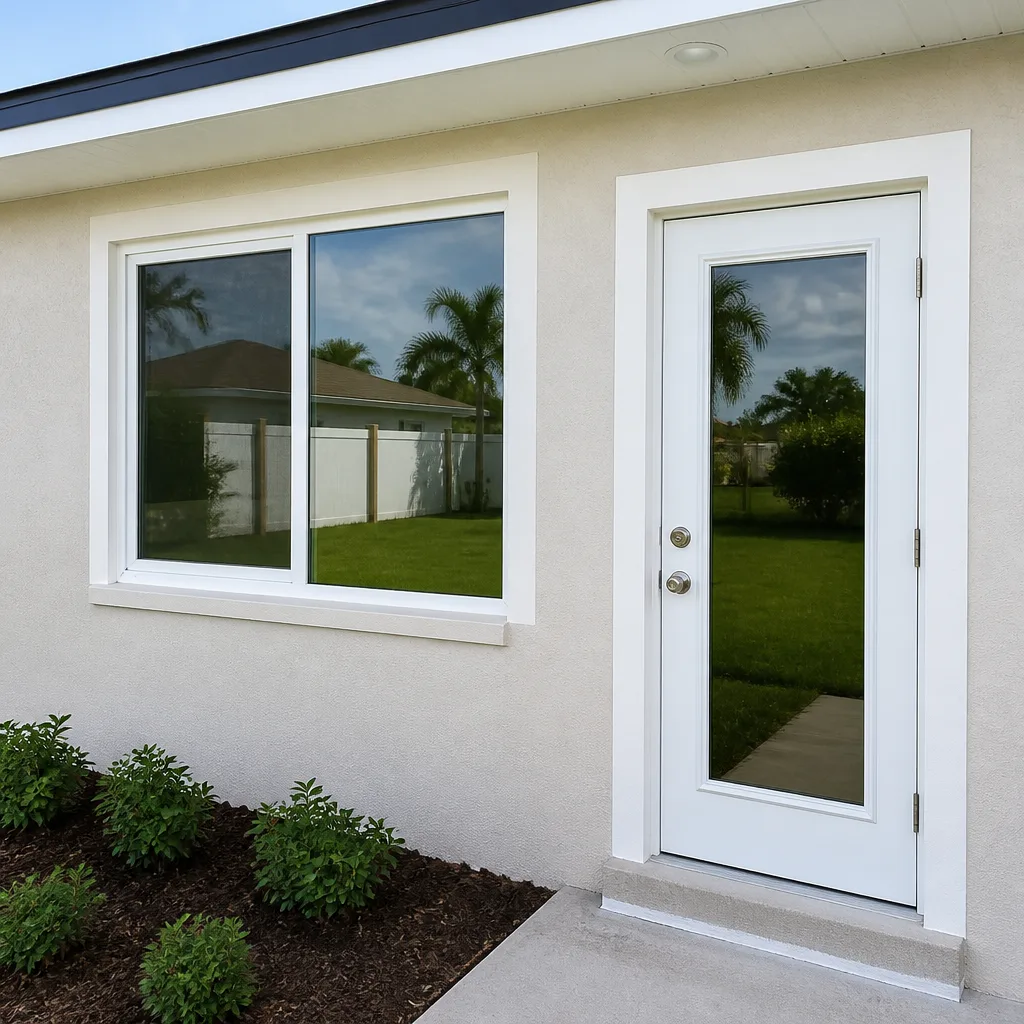 After
AfterThe Complete Guide to Windows & Doors in Westgate
Most homeowners in Westgate discover their windows aren’t up to current Florida Building Code only after a loss claim gets partially denied. It happens more often than you’d think. A storm rolls through, a window fails, water gets in, and the adjuster points to a product rating that was obsolete the day it was installed. This guide exists so you find out before that moment. You’ll learn exactly what Westgate’s wind zone requires, which product ratings actually matter, what your insurer expects, and how to spot a window that needs replacement before it becomes an insurance problem.
Quick Answer
Windows and doors in Westgate must meet High Velocity Hurricane Zone (HVHZ) or wind-borne debris requirements under the Florida Building Code, meaning impact-rated or properly protected openings are not optional upgrades but legal minimums for new installations. Expect to pay $900-$2,800 per opening for code-compliant impact windows installed, with premium lines from PGT and CGI running higher. Installation must be done by a licensed contractor who pulls permits, passes inspections, and provides documentation your insurer will actually accept-our step-by-step guide on hiring a Westgate windows and doors contractor shows exactly what to look for.
Table of Contents
- Westgate’s Wind Zone Classification and What It Means for Your Home
- Impact-Rated, Hurricane-Rated, and Code-Minimum: The Differences That Matter
- How Windows and Doors Affect Your Westgate Homeowner’s Insurance
- Why PGT and CGI Dominate Westgate Installations
- Ed Winslow’s Replacement vs. Repair Checklist
- What Windows and Doors Cost in Westgate
- Permits, Inspections, and Documentation in Westgate
- Common Mistakes to Avoid
- When to Call a Professional
- Frequently Asked Questions
Westgate’s Wind Zone Classification and What It Means for Your Home
Westgate sits inside the High Velocity Hurricane Zone, the strictest wind-load region in the Florida Building Code. That’s not a technicality. It means every window, door, and skylight you install here has to be tested and approved for pressures that non-HVHZ products were never engineered to survive. We’re talking about wind speeds in the 140-170 mph range during a major storm, plus the debris those winds carry. A code-minimum window from an inland state doesn’t belong in Westgate, and a contractor who offers one is either ignorant or cutting corners.
The practical consequence is simple: when you replace windows or doors in Westgate, your options are impact-rated products or standard products paired with an approved shutter or panel system. Impact-rated is the cleaner long-term play because it protects the home 24/7 without requiring anyone to deploy shutters before a storm. If you’re still on the fence, our Impact Windows in Westgate page walks through the product rating system in more detail.
One thing homeowners often miss: the code applies to replacement work, not just new construction. If a window is being pulled out and a new one is going in, that new window has to meet current standards. There’s no grandfathering on replacements. We’ve had plenty of Westgate homeowners tell us they assumed they could match what was already there. You can’t, at least not legally. The old window may have been code-compliant in 1997. The replacement has to meet 2026 standards. That’s a real cost difference, and it’s worth knowing before you start budgeting.
Why the HVHZ Designation Changes Everything
Outside the HVHZ, a homeowner might get away with a basic insulated window and call it a day. Inside Westgate, that same window is a code violation. The reasons are specific: flying debris during a storm turns ordinary glass into a breach point. Once one window or door fails, internal pressurization increases, and the roof becomes dramatically more likely to lift. That’s the failure cascade the code is designed to prevent. Impact-rated products are tested by firing a 9-pound 2×4 at the glass at 34 mph, then cycling wind pressures to simulate the rest of the storm. Products that pass that test earn a Florida Product Approval number, which is your proof the product belongs in a Westgate home.
Impact-Rated, Hurricane-Rated, and Code-Minimum: The Differences That Matter
The terms get thrown around loosely, and frankly, some salespeople benefit from the confusion. Here’s what each one actually means in Westgate. Impact-rated products have passed the Florida Product Approval testing described above. They use laminated glass with a heavy interlayer that holds the glass together even after a 2×4 strikes it. The frame is part of the tested assembly, which is why you can’t just swap impact glass into an old frame and call it impact-rated. The entire product (glass, frame, hardware, and installation method) is what the state approved.
Hurricane-rated is a looser term. It can mean impact-rated, or it can mean a product rated for high wind pressure but without the impact-testing component. A hurricane-rated product that is not impact-rated will still require shutters or panels in Westgate. If someone sells you a “hurricane window” without a Florida Product Approval number, it’s not enough to satisfy code or your insurer. The number is what matters. Look for FL numbers printed on the product literature, and verify the product appears in the Florida Building Code product approval database.
Code-minimum, in a Westgate context, means standard insulated windows or doors paired with an approved protective system like shutters, panels, or fabric screens. That’s a legal route, but it has real downsides. Someone has to deploy the protection before every storm. If you’re not home, or you’re physically unable to mount heavy panels, the opening is unprotected. We’ve replaced plenty of standard windows that spent storm after storm fully exposed because the shutters were in a garage corner and the homeowner was out of town. Impact-rated windows protect the home automatically. That’s why most Westgate homeowners choose them once they understand the difference between DIY and professional installation.
The Salesperson Warning Signs
- Vague language: phrases like “hurricane-safe” or “storm-rated” without a Florida Product Approval number attached.
- Skip-the-permit offers: any installer who suggests doing the work without a permit is setting you up for an insurance denial later.
- Inconsistent product names: a quote that lists “impact glass” but doesn’t specify the brand, series, and approval numbers is not a quote worth signing.
- Shutter-only discounts: pushing standard windows plus shutters at a “discount” rarely saves money once labor, maintenance, and insurance discounts are factored in.
How Windows and Doors Affect Your Westgate Homeowner’s Insurance
In Westgate, your windows and doors are direct inputs into your insurance premium. Insurers apply wind mitigation credits based on documented protection levels on every opening. A home with impact-rated windows on all openings typically earns credits that can reduce the windstorm portion of the premium by 20-45%, depending on the carrier and the rest of the construction. A home with standard windows and no protection earns nothing. Same street, same floor plan, thousands of dollars of annual premium difference based on what’s in the openings.
The documentation matters as much as the product. Insurers want a Florida Product Approval number for every window and door, a completed and signed Uniform Mitigation Verification Inspection Form (the 1802 form), and permits that show the work was inspected and passed. An impact window installed without a permit is, in the eyes of the insurer, not an impact window. We’ve had homeowners bring us a stack of receipts for “impact windows” installed by a handyman, and their insurer rejected every one because there were no permits, no inspections, and no verifiable approval numbers. The windows may have been fine. The documentation made them worthless.
What to Keep on File
- Your permit and passed inspection record for every window and door installation.
- Each product’s Florida Product Approval number, brand, and series.
- A copy of your Wind Mitigation Inspection (form 1802), updated after any major replacement work.
- Your contractor’s license number and a line-item invoice showing what was installed where.
If you’re planning a window or door project in Westgate and want it to actually lower your premiums, ask for this documentation before the job starts. Any licensed contractor who does this work daily will have no problem providing it. If you get pushback, that’s your answer.
Why PGT and CGI Dominate Westgate Installations
Drive through any Westgate neighborhood and look at the replacement windows that have been done in the last decade. You’ll see a lot of PGT and CGI. There’s a structural reason for that, and it’s not brand loyalty. Both manufacturers are Florida companies with deep Florida Product Approval catalogs, strong dealer networks, and parts availability that out-of-state brands can’t match. When a window manufacturer is based in another state, hardware and glass matching for a five-year-old window can turn into a three-week special-order odyssey. PGT and CGI parts are available locally because the products are installed everywhere in South Florida.
Both brands also offer a wide range of impact products that cover the practical needs of Westgate homes: single-hung, horizontal roller, casement, picture, and geometric shapes, with insect screens, tinted glass options, and finish choices that fit older Florida architecture. CWS and ES Windows also make strong products, particularly for custom and high-end applications, but the volume in Westgate skews toward PGT and CGI because the supply chain and warranty support are proven locally.
One piece of advice from the field: when you’re comparing quotes, compare panel types within the same brand, not just brands. A PGT 5500 series and a PGT 7700 series are not the same window. The differences in frame thickness, glass package, energy ratings, and design pressure matter. A low quote is sometimes just a lower series window. Ask for the specific model number on every quote, same as you would for a car. Then the comparison is honest. If you’re considering impact-rated products, our Window Installation in Westgate page goes deeper on what proper installation looks like.
Ed Winslow’s Replacement vs. Repair Checklist
Not every window needs to go. Some do. The skill is knowing which is which, and I’ve spent 15 years in Westgate learning to tell the difference. Here’s the exact checklist I use when I walk a home.
- Frame condition: Take a flathead screwdriver and gently probe the bottom corners of the window frame. Soft wood, crumbling material, or visible rot means the unit has been leaking long enough that the frame is compromised. Repair is no longer reliable. Replace.
- Sealant condition: Look at the caulking around the exterior window perimeter. Cracking, shrinking, or pulling away from the framing means water is getting in where it shouldn’t. If the sealant is shot but the frame is sound, a professional reseal may buy you years. If the frame is swelling or the sill paint is bubbling, the water reached something structural. Replace.
- Operational feel: Open and close the window five times. Sticking, popping from the track, or a sash that needs to be shoved tells you the hardware and balance system are failing. One jammed window might be repaired. Three or four means the fleet is aging out together.
- Glass clarity and seal integrity: Fog between the panes or condensation that never clears means the insulated glass seal has failed and the unit has lost its thermal performance. In Westgate’s heat and humidity, a failed seal also lets moisture into the frame. Glass replacement is possible, but if the frame is also aged, a full replacement is usually the smarter money.
- Code compliance: If the existing windows don’t have impact protection and don’t meet modern wind-load requirements, you have to think about this differently. A repair may keep the window functional, but it won’t fix the code or insurance problem. Any window you touch in Westgate should be a candidate for upgrade to impact-rated.
- Door frames and thresholds: Exterior doors need the same inspection at the frame-to-slab connection and the threshold. Daylight under the door, a threshold that pools water, or a door that’s hard to latch all point to wear and misalignment. Doors in Westgate also need impact ratings, so when the frame is failing, it’s a replacement, not a repair.
I use this checklist on every estimate I walk in Westgate, and I share it with homeowners so they can see exactly why I’m recommending what I’m recommending. No mystery. No upsell. If it’s a repair, I’ll tell you it’s a repair. That’s how my name on the business works.
What Windows and Doors Cost in Westgate
Costs in Westgate run a bit differently than the Florida panhandle or Orlando. The HVHZ requirement pushes the product tier up, and the labor market here is tighter because licensed installers who understand the code are not interchangeable with general handymen. For budgeting purposes, here’s a realistic range for installed products in 2026.
- Standard aluminum single-hung with shutters (non-impact): $400-$650 per window, plus the cost of shutters or panels.
- Impact-rated aluminum single-hung (PGT, CGI core series): $900-$1,400 per window installed.
- Impact-rated vinyl single-hung or horizontal roller: $1,000-$1,800 per window installed.
- Impact-rated casement or picture window: $1,200-$2,400 per window depending on size.
- Impact-rated sliding glass door (6-foot to 8-foot): $3,500-$6,500 installed.
- Impact-rated front entry door (Therma-Tru, fiberglass, painted): $3,000-$6,500 installed depending on glass, hardware, and side-lites.
- Impact garage door (full replacement with track and opener compatibility): $2,800-$5,500 installed.
These are installed ranges, meaning the product, labor, permitting, and basic interior trim are included. Custom shapes, large expanses, second-story access, stucco repair around the opening, and window sills that need full replacement all push toward the top of the range. On the labor side, Westgate’s older concrete-block homes require careful fastening into block with proper anchors, and that’s slower work than nailing into a wood frame. Anyone quoting significantly below these numbers in Westgate is cutting a corner somewhere: the product series, the permit, the insurance, or the labor quality.
For a more detailed breakdown on replacement-specific pricing, see our Window Replacement in Westgate page.
Permits, Inspections, and Documentation in Westgate
Any window or door replacement in Westgate that changes the size of the opening requires a permit, and even same-size replacements require permits when the work is structural or when impact-rated products are being installed to claim insurance credits. The permitting process here is not a formality. The municipality wants to see a contractor’s license, product approval numbers, a scope of work, and an engineering calculation for any opening size change. Then the work is inspected before the openings can be closed up, and a final inspection verifies the installation against the approved plans.
Who pulls the permit is an important detail. It should always be the licensed contractor, never the homeowner and never an unlicensed installer who asks you to “handle the permit stuff.” If the contractor’s name isn’t on the permit, the contractor isn’t accountable to the building department for the work. It’s a tell, and it’s a common one in Westgate where out-of-town crews sometimes roll through after a storm, pick up cash work, and disappear. The permit is your protection. It also creates the paper trail your insurer wants when you go to claim wind mitigation credits.
When the work is done, you should have a copy of the final passed inspection in hand. Keep it with your insurance paperwork. If you sell the home, that documentation transfers with the property and supports your asking price. We have measured the difference: homes in Westgate with fully documented impact-rated window and door systems appraise and list differently than comparable homes with unprotected openings and no paperwork. The documentation is worth real money.
Common Mistakes to Avoid
- Replacing windows without checking the product approval database: Just because a window is sold in Florida does not mean it’s approved for use in the HVHZ. Verify the FL product approval number before you sign.
- Skipping the permit to save money: An unpermitted impact window is a liability in a storm and a zero in your insurance file. You could pay twice: once for the window, once for the claim denial.
- Ignoring the door story: Homeowners focus on windows and forget that doors are the largest openings in the wall. A sliding glass door that fails in a storm lets in more water than a window ever will.
- Matching the old window’s size without rethinking the opening: Sometimes enlarging a window or adding a slider is the right move, especially in older Westgate homes with small bedrooms and closed-off living areas. The permit and engineering are slightly more involved, but the light, ventilation, and resale impact are worth it.
- Choosing a product by price per window alone: The window that’s $300 cheaper on the quote but lacks the right design pressure rating, or the right glass package for the exposure, costs more in the long run.
- Believing every “impact” claim without documentation: If the quote doesn’t list brand, series, and Florida Product Approval numbers, it’s not a quote we’d sign. Neither should you.
- Waiting until the insurance renewal comes due to start the project: Replacing windows and doors takes weeks once permits and product lead times are factored in. Start early, so the next renewal reflects the credits.
When to Call a Professional
If you’re in Westgate and your windows or doors have any of these conditions, call for an estimate before the problem compounds: water stains or soft spots near any opening, visible sealant failure around window perimeters, fogged glass, a door that drags or won’t latch, or an insurance renewal notice asking about wind mitigation. The inspection finds what you can’t see from the inside, and in Westgate, the cost of finding it late is a denied claim after a storm, not a repair bill. Winslow Windows & Doors offers free estimates in Westgate, with a live person answering the phone around the clock, so you never wait on a ticket number when you call (561) 468-6136.
We also offer a free second opinion on any written estimate, no trip charge inside our home county, and a permanent 10% discount for seniors and veterans. Ed’s name is on the door so the standard is the same on every job: done right, documented, and built for the storms Westgate actually gets. For a full look at what we do, start at the Winslow Windows & Doors home page.
Frequently Asked Questions
New and replacement windows in Westgate must meet HVHZ requirements, which means they must either be impact-rated products or standard windows protected by an approved shutter or panel system. Impact-rated is the more common and more practical choice for Westgate homes because it protects the home around the clock without requiring manual deployment before a storm.
Expect to pay $900-$2,400 per window installed for impact-rated replacement windows in Westgate, with premium lines and custom sizes running higher. Sliding glass doors typically run $3,500-$6,500 installed. Call (561) 468-6136 for an exact quote on your specific openings, estimates are free.
Yes, impact-rated windows and doors documented with a completed Wind Mitigation Inspection form and passed permits typically earn wind mitigation credits that reduce the windstorm portion of your homeowner’s premium by 20-45% depending on your carrier and construction. The documentation is essential; unpermitted work earns nothing.
You should receive a permit record showing the contractor’s license and scope of work, a final passed inspection from the building department, product approval numbers and model series for every installed product, and a line-item invoice. Keep all of it with your insurance file.
Quality impact windows from brands like PGT and CGI typically last 20-30 years in Westgate’s heat, humidity, and salt air, though sealant maintenance around the perimeter is needed every 5-10 years-see our Impact Windows Maintenance Checklist for Westgate Homeowners for specifics. Frame material, glass package, and installation quality are the biggest factors in how long they actually perform.
You can phase the work, but doors are the largest unprotected openings in the home and will often dominate a wind mitigation report until they’re upgraded. We recommend addressing doors in the same project window or immediately after, so the insurance credits and protection are complete.
PGT and CGI are the dominant brands in Westgate because they’re Florida manufacturers with deep Florida Product Approval catalogs, local parts availability, and proven warranty support. CWS and ES Windows are also strong options for custom and high-end projects.
The Bottom Line
Windows and doors in Westgate are not a decorative decision. They’re the difference between a home that survives a storm with its roof intact and a home that loses ceilings, drywall, and family photos to a breach that started in a single unprotected opening. The code is clear, the insurance implications are real, and the product choices are better than they’ve ever been. What matters now is documentation and installation quality, because those are the two things that make the product perform. Winslow Windows & Doors has been serving Westgate since 2011 with licensed, documented, inspected work and a promise that outlasts any storm: if it’s not done right, we make it right. Call (561) 468-6136 for your free estimate. The one down the road.
Written by Ed Winslow, Owner at Winslow Windows & Doors, serving Westgate since 2011. Browse our more guides & resources for Westgate homeowners.
Six Reasons Homeowners Choose Winslow Windows & Doors
Impact systems engineered to design pressures up to +/-100, matched to your wind zone - your openings hold when the storm arrives.
Low-E insulated impact glass from our manufacturer lines commonly cuts monthly cooling bills 20-30%.
Laminated impact glass shuts out up to 40% of outside noise - traffic, neighbors, weather.
Monitoring services run $30-90 a month. Laminated impact glass resists forced entry around the clock, with no subscription.
Florida homeowners average around 25% savings on the windstorm portion of their policy after protecting every opening - some homes qualify for more.
A full impact package upgrades curb appeal, buyer confidence and appraised value in one project.